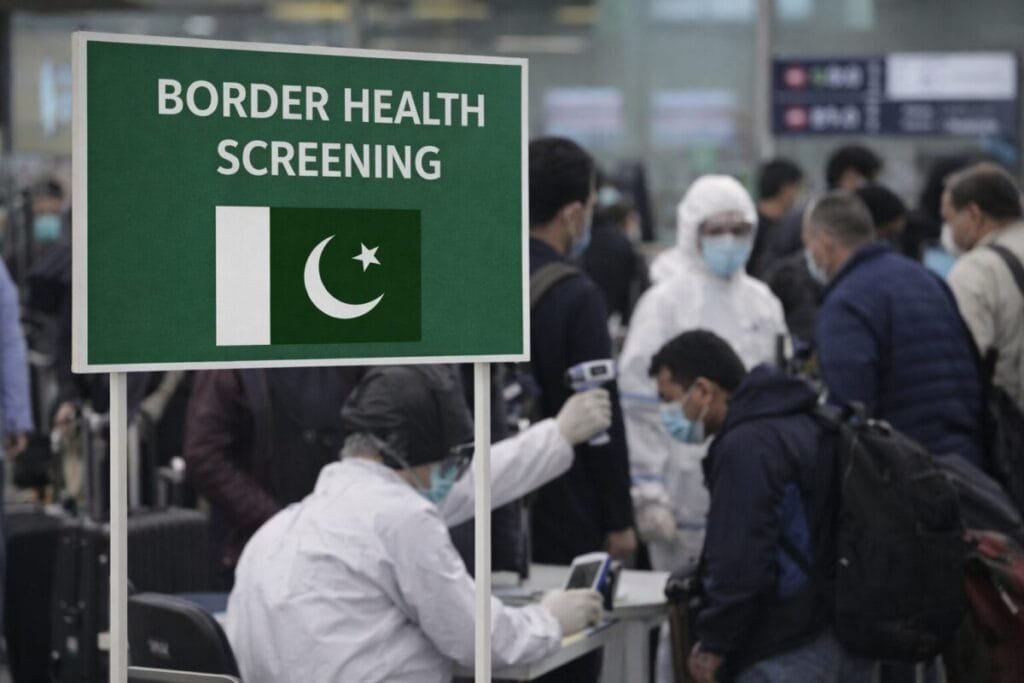
Pakistan has introduced enhanced health checks at airports and border crossings as part of a wider regional effort to prevent the spread of the Nipah virus, joining several Asian nations that have recently tightened entry protocols for international travelers.
Health authorities announced that travelers arriving by air, land, or sea will now undergo additional screening procedures aimed at identifying potential health risks early. The move follows heightened vigilance across Asia after recent cases reported in neighboring countries prompted governments to reinforce monitoring measures.
Officials emphasize that the new procedures are precautionary, designed to safeguard public health while ensuring travel and tourism continue with minimal disruption.
Enhanced Screening at All Entry Points
Under the new measures, travelers entering Pakistan are required to undergo temperature checks and health screening upon arrival. Passengers may also be asked to provide details of their recent travel history, particularly if they have visited regions considered high risk in recent weeks.
Medical teams stationed at airports and border terminals are conducting clinical assessments when necessary to identify early symptoms associated with the virus. In cases where travelers show signs of illness or report exposure risk, authorities can initiate isolation and further medical evaluation to prevent possible community transmission.
Officials say the aim is to detect potential cases before they enter densely populated areas, reducing the risk of outbreaks.
Regional Response Reflects Shared Concerns
Pakistan’s actions mirror steps taken by several Asian countries responding to regional health alerts. Airports in Southeast and East Asia have increased surveillance, including temperature screening and traveler questionnaires at major international gateways.
Cities with large international airports have also reinforced monitoring systems, ensuring that arriving passengers from affected regions undergo additional checks. Authorities in multiple countries are coordinating efforts through health networks to ensure rapid information sharing and coordinated responses if new cases emerge.
Health experts note that cooperation among countries is essential, as air travel allows viruses to cross borders quickly if surveillance measures are not in place.
Understanding the Nipah Virus Risk
The Nipah virus is a zoonotic disease, meaning it spreads from animals to humans, with fruit bats identified as its primary natural hosts. Infection can sometimes occur through contaminated food sources or close contact with infected individuals.
Symptoms may include fever, respiratory illness, and in severe cases, inflammation of the brain known as encephalitis. Mortality rates vary depending on healthcare access and early treatment but can be significant in affected areas.
Currently, no licensed vaccine is widely available, making early detection and prevention crucial tools in containing outbreaks.
Public health authorities emphasize that transmission typically requires close contact, meaning routine travel does not automatically pose high risk. However, preventive monitoring remains necessary to avoid undetected spread.
Travel History and Surveillance Key to Prevention
A central component of Pakistan’s new protocol involves collecting information about travelers’ recent movements. By identifying passengers who have visited regions where outbreaks have occurred, authorities can take additional precautions if needed.
Border Health Services teams are coordinating with airport operators, airlines, and port authorities to ensure screening procedures are carried out efficiently without causing excessive delays for passengers.
Officials say the balance between safety and smooth travel operations remains a priority, particularly as tourism and business travel continue recovering across the region.
Economic and Tourism Considerations
While public health remains the priority, tourism officials acknowledge that stricter health checks can create concerns among travelers. Pakistan, like many countries in the region, has been working to attract international visitors by promoting cultural heritage sites, mountain tourism, and urban experiences.
Travel operators emphasize that enhanced screening measures should reassure visitors rather than deter them, demonstrating that authorities are taking steps to ensure safe travel environments.
Hotel operators and tourism stakeholders note that maintaining traveler confidence is crucial as global tourism continues rebuilding after previous disruptions.
Learning from Regional Experiences
Recent containment efforts in neighboring countries show the importance of early detection and coordinated public health responses. Contact tracing, quarantine protocols, and rapid isolation have helped prevent isolated cases from becoming larger outbreaks.
Public health experts stress that airport and border screening alone cannot eliminate risks, but when combined with domestic healthcare readiness and public awareness, they significantly reduce the chances of widespread transmission.
Countries across Asia continue reviewing their preparedness plans, ensuring medical infrastructure and communication channels are ready if cases appear.
Advice for Travelers
Authorities recommend that travelers remain aware of personal health conditions when traveling internationally. Individuals experiencing fever or respiratory symptoms are encouraged to seek medical advice before departure or upon arrival.
Travelers should also maintain hygiene practices, including frequent handwashing and avoiding close contact with people who appear unwell, especially in crowded transit areas.
Passengers are advised to cooperate with screening procedures, which are designed to protect both visitors and local communities.
Continued Vigilance Across the Region
Health officials caution that while there is currently no widespread outbreak across the region, continued vigilance remains necessary due to the unpredictable nature of infectious diseases.
Monitoring efforts will remain active at border points as authorities continue evaluating developments and updating protocols as required.
Pakistan’s latest measures reflect a growing regional consensus that prevention at entry points plays a crucial role in managing emerging health risks while allowing international travel and tourism to continue safely.
As travel volumes gradually increase across Asia, coordinated screening and surveillance efforts aim to ensure that tourism recovery proceeds without compromising public health, allowing travelers to move confidently while authorities remain prepared for potential challenges.
For more travel news like this, keep reading Global Travel Wire