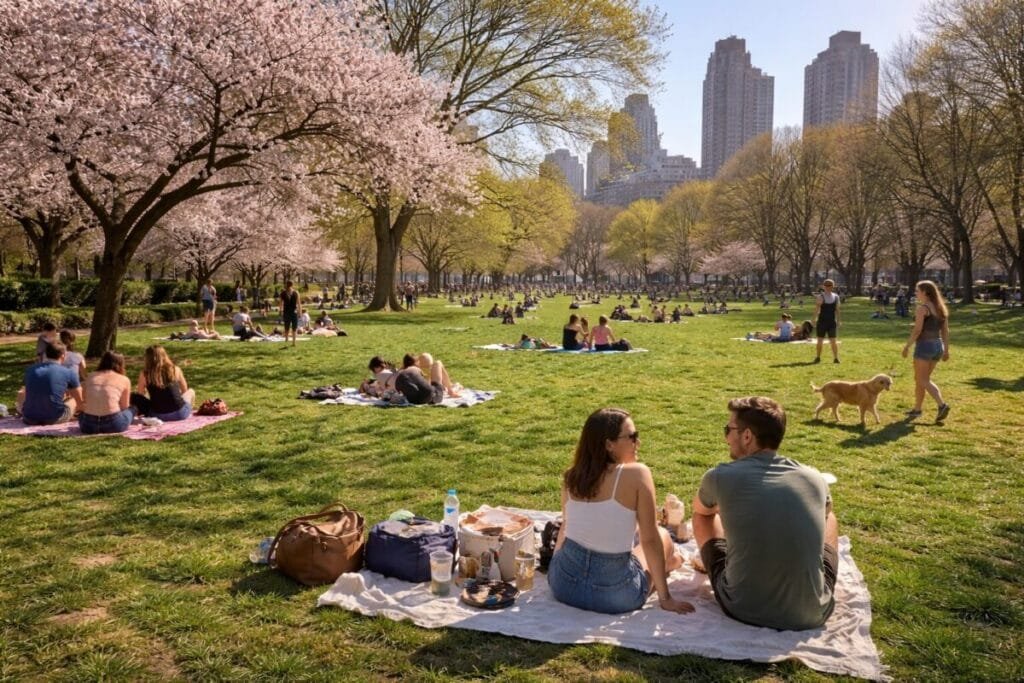
An unexpected wave of unusually warm temperatures sweeping across large parts of the United States is reshaping travel patterns and sparking new opportunities for tourism. States including Nebraska, Missouri, Illinois, Washington, Pennsylvania, Ohio, and several others are experiencing conditions more typical of late spring, marking a significant shift in seasonal weather expectations.
The sudden rise in temperatures is transforming outdoor experiences, encouraging travelers to take advantage of early-season sightseeing and outdoor activities. With warmer conditions replacing the typical winter chill, tourism destinations across the Plains, Midwest, and Mid-Atlantic regions are witnessing renewed interest from visitors eager to enjoy a preview of spring.
Record Warmth Changes Seasonal Travel Expectations
Meteorologists report that temperatures in some regions are rising well above seasonal averages, with daytime highs reaching levels commonly seen weeks or even months later in the year. For many Americans, the warmth offers relief after prolonged cold conditions, but it also signals evolving weather patterns that could reshape tourism strategies nationwide.
Cities that typically remain quiet during late winter are suddenly seeing increased foot traffic as residents and tourists alike embrace the opportunity to explore parks, waterfront areas, and historic districts without heavy winter gear. The early arrival of spring-like weather is encouraging spontaneous travel decisions and short-term trips, particularly among regional travelers seeking mild climates.
Tourism Industry Adapts to Changing Weather Patterns
Tourism businesses across affected states are quickly adapting to the surge in warm-weather demand. Outdoor attractions, walking tours, and nature-based activities are experiencing renewed popularity as travelers adjust plans to take advantage of comfortable temperatures.
Hotels and hospitality providers are also benefiting from increased bookings as visitors extend weekend stays or plan early spring getaways. Restaurants with outdoor seating, recreational parks, and cultural festivals may see higher attendance as the warmer conditions encourage social and leisure activities.
Tourism boards in many cities are leveraging the favorable weather to promote local attractions, emphasizing experiences that blend urban exploration with outdoor recreation.
Midwest and Plains Regions See Unexpected Visitor Interest
The Plains and Midwest regions, often overlooked during winter travel seasons, are emerging as attractive destinations during the heatwave. Nebraska and neighboring states are experiencing a noticeable shift as warmer temperatures make scenic drives, hiking trails, and cultural landmarks more accessible.
Historic towns and riverfront destinations are benefiting from increased visitor numbers, while regional events and markets are drawing crowds who may have otherwise postponed travel until later in the year.
The early warmth also provides opportunities for local tourism operators to extend their seasonal offerings, opening outdoor attractions earlier than usual and preparing for a longer tourism window.
Mixed Weather Conditions Create Travel Challenges
Despite the widespread warmth, not all regions are experiencing consistent conditions. Northern areas of the country may continue to face cold fronts, snow, or icy weather, creating a contrast that travelers must consider when planning itineraries.
This mix of warm and cold weather patterns may lead to travel disruptions, particularly in regions where changing temperatures result in unpredictable road conditions or flight delays. Travelers are encouraged to remain flexible and monitor forecasts when planning trips across multiple states.
Safety Considerations and Environmental Impacts
While the early heatwave presents opportunities for tourism growth, it also introduces potential safety concerns. Dry and windy conditions in some areas increase the risk of wildfires, particularly in regions that have experienced limited rainfall. Authorities may issue advisories urging caution for outdoor activities such as camping or hiking.
Travelers are encouraged to follow local safety guidelines, remain aware of changing conditions, and prepare for rapid weather shifts that could affect plans. The tourism sector is responding by updating visitor information and emphasizing responsible travel practices.
Economic Benefits for Local Communities
The surge in early-season travel is bringing positive economic effects to many local communities. Increased visitor spending supports small businesses, accommodations, and attractions that typically experience slower demand during late winter.
Early tourism activity can also help stabilize local economies by extending peak seasons and creating new employment opportunities within hospitality and recreation sectors. For smaller destinations, the unexpected boost may encourage future investment in tourism infrastructure and marketing initiatives.
A Glimpse Into Future Travel Trends
Climate variability and changing weather patterns are increasingly influencing how travelers choose destinations and timing for vacations. The current heatwave highlights the importance of flexibility within the tourism industry, as destinations adapt to unpredictable seasonal conditions.
Travel planners and industry leaders are beginning to explore strategies that allow for year-round tourism promotion rather than relying strictly on traditional seasonal cycles. The early arrival of spring-like weather demonstrates how rapidly travel trends can shift when climate conditions change.
Outlook for US Tourism in the Months Ahead
As warmer temperatures continue to spread across multiple states, tourism operators anticipate continued growth in outdoor experiences and short-distance travel. Early spring festivals, nature tourism, and city sightseeing tours may see strong participation as travelers embrace favorable conditions.
While weather patterns remain uncertain, the current heatwave has already reshaped expectations for early-year travel across the United States. For many destinations, the combination of mild temperatures and renewed traveler interest represents a unique opportunity to showcase attractions and welcome visitors earlier than ever before.
The evolving travel landscape suggests that weather-driven tourism trends will play an increasingly important role in shaping future travel decisions, making adaptability and preparedness key priorities for both travelers and industry stakeholders.
For more travel news like this, keep reading Global Travel Wire