Extreme weather across the Iberian Peninsula has disrupted cross-border rail travel between Spain and Portugal. A series of intense storms caused severe infrastructure damage and forced rail operators to suspend key services. Tourism officials now assess the long-term effects on travel patterns and regional connectivity.
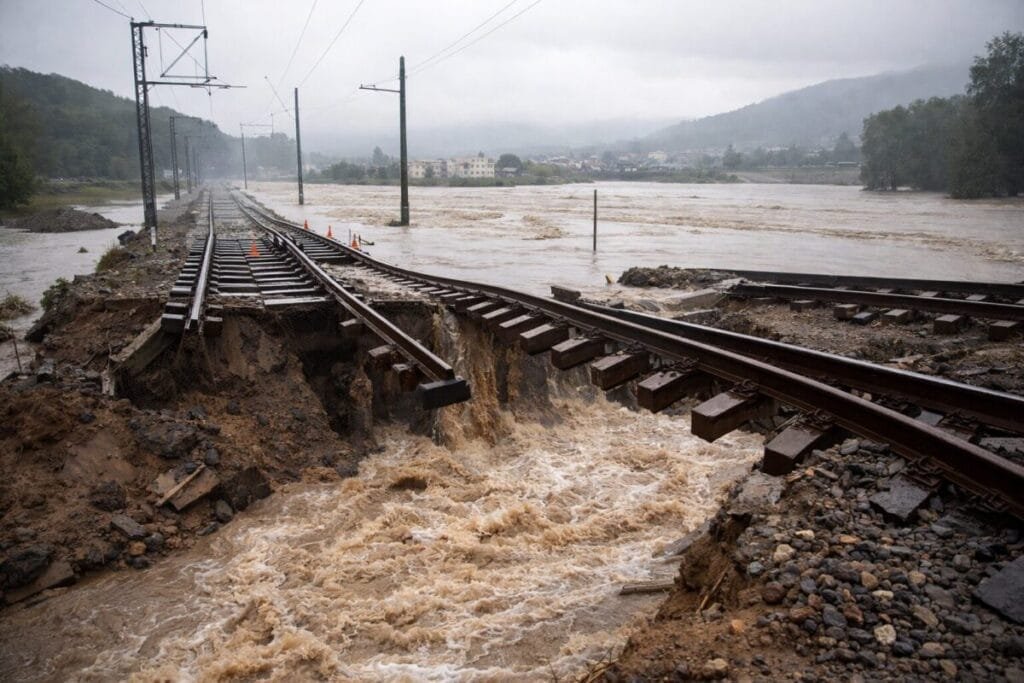
Meteorologists describe the event as a “storm train,” which involves multiple weather systems arriving in quick succession. Heavy rainfall, strong winds, and saturated ground created dangerous conditions for rail infrastructure. Authorities activated emergency protocols to protect passengers and maintain safety standards.
Rail operators Comboios de Portugal and Renfe continue working with infrastructure agencies to restore services. Travelers face delays, rerouted journeys, and limited travel options during ongoing recovery efforts.
Cross-Border Rail Links Face Major Disruptions
The Porto to Vigo Celta service serves as the main international rail connection between northern Portugal and Spain. Storm damage forced authorities to suspend operations along this route for extended periods. Landslide risks and unstable tracks created unsafe conditions for heavy rail traffic.
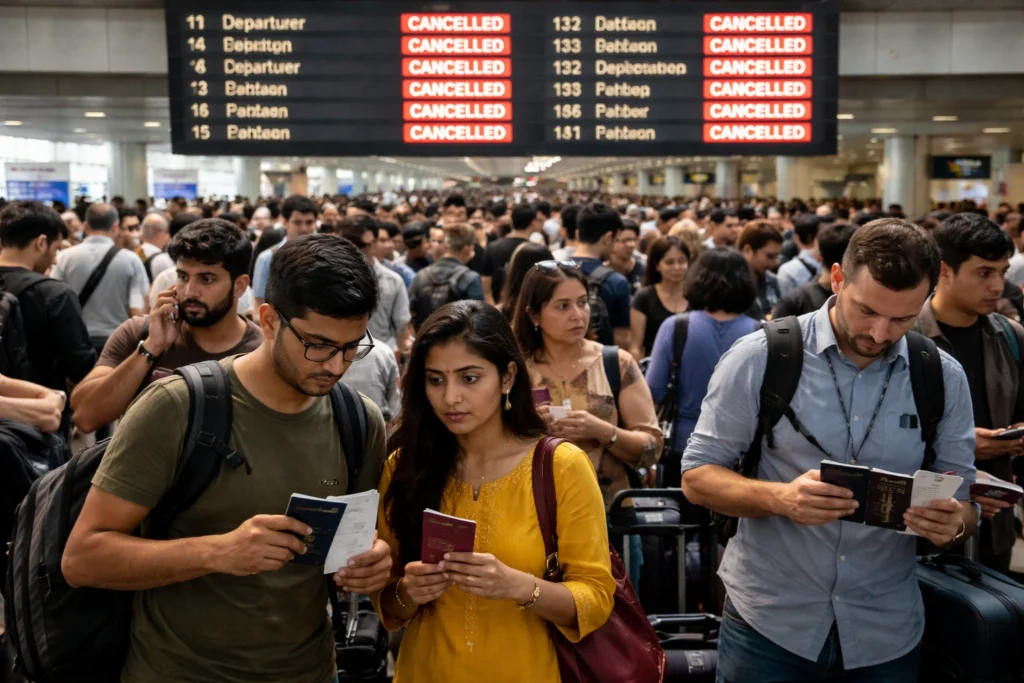
Travelers lost a vital link that supports tourism and local mobility across the border. The lack of immediate alternative transport options created confusion and long delays for passengers. Eventually, temporary road connections began operating between Valença and Vigo to ease congestion.
The disruption highlights how critical cross-border rail services remain for tourism and regional cooperation. Thousands of travelers rely on these routes each year for leisure and business journeys.
Infrastructure Damage Spreads Across Portugal’s Rail Network
Heavy rainfall affected several major rail corridors beyond the northern border routes. Flooding and landslides impacted key lines that connect major cities and tourist destinations.
The Alfarelos station area near Coimbra experienced severe flooding after the Mondego River overflowed. Submerged tracks forced authorities to halt long-distance services along the busy Northern Line. Meanwhile, landslides buried sections of track on the Linha do Oeste, which recently underwent modernization.
Southern regions also faced interruptions. Services on the Linha do Sul required extensive bus replacement operations after infrastructure damage blocked normal train operations. Each disruption increased pressure on alternative routes and stretched transportation resources.
Travelers Experience Delays and Limited Options
Passengers traveling between Lisbon and Madrid now face significantly longer journey times. Some routes require more than nine hours of travel due to detours and limited connections. Tourism agencies warn visitors to check schedules frequently because conditions continue to change.
Hotels and travel operators adjust itineraries to accommodate unexpected delays. Tour groups modify plans to include alternative destinations or extended stays. Independent travelers face additional challenges because flexible rail options remain limited during repairs.
The situation highlights the importance of real-time travel updates and coordination between national transport authorities. Improved communication remains essential for minimizing passenger disruption.
Climate Challenges Raise Questions About Infrastructure Resilience
The scale of the storm damage has sparked discussion about climate resilience in European rail systems. Authorities reported rainfall levels far above seasonal averages, overwhelming drainage systems and increasing erosion risks. Environmental agencies warn that similar extreme weather events may occur more frequently.
Portugal’s government declared emergency measures across multiple municipalities affected by flooding. Infrastructure specialists now conduct detailed inspections to evaluate long-term structural stability. Engineers focus on strengthening vulnerable sections of rail lines to withstand future climate pressures.
Tourism stakeholders recognize that reliable transportation infrastructure plays a critical role in visitor confidence. Improved resilience planning may shape future rail investments across southern Europe.
Economic Impact and Recovery Plans
Repair costs for damaged rail corridors continue to rise as authorities assess the full extent of destruction. Officials discuss large-scale funding initiatives to rebuild affected infrastructure and improve weather resistance. Tourism economies across affected regions depend on rapid restoration of reliable transport links.
Rail travel supports cross-border tourism flows, which contribute significantly to local businesses. Restaurants, hotels, and tour operators rely on smooth connections between Spanish and Portuguese destinations. Extended disruptions could influence travel trends if recovery takes longer than expected.
Despite current challenges, tourism agencies promote alternative routes and encourage visitors to explore unaffected areas. Coastal cities and inland regions continue welcoming travelers while repairs proceed.
Future Rail Projects Offer Hope for Stronger Connectivity
Infrastructure planners look toward upcoming rail projects designed to improve resilience and speed. The Évora to Elvas rail corridor aims to create a faster connection toward Badajoz and Madrid. Authorities expect this project to reduce travel times and enhance cross-border mobility.
New construction plans emphasize climate-resistant design. Engineers incorporate improved drainage systems, stronger embankments, and advanced monitoring technology. These measures aim to reduce vulnerability during future storms.
Tourism experts believe upgraded infrastructure could strengthen long-term travel reliability across the Iberian Peninsula.
Iberian Tourism Adapts to a Changing Travel Landscape
The recent storm disruptions serve as a reminder of how climate events can reshape travel experiences. Tourists now prioritize flexible itineraries and alternative transportation options. Rail operators continue working toward restoring confidence through safety improvements and clearer communication.
Spain and Portugal remain popular destinations known for culture, cuisine, and scenic landscapes. Once services return to normal, rail travel will likely regain momentum due to its sustainability and convenience.
The current crisis highlights both the fragility and resilience of modern transportation systems. As recovery progresses, the Iberian rail network may emerge stronger, better prepared, and more adaptable to future environmental challenges.
For more travel news like this, keep reading Global Travel Wire