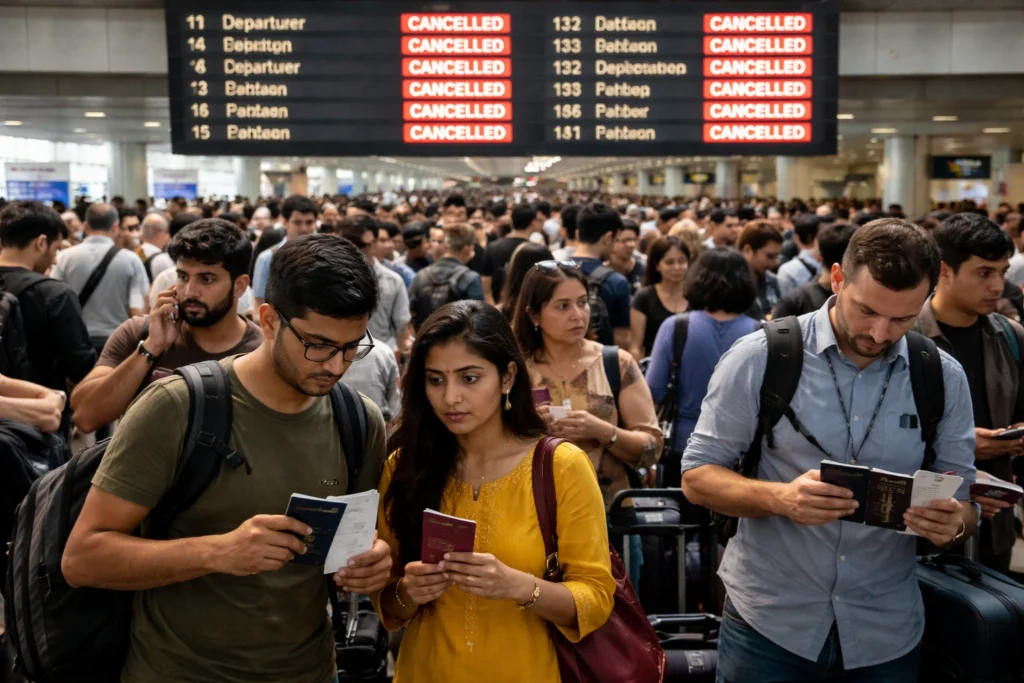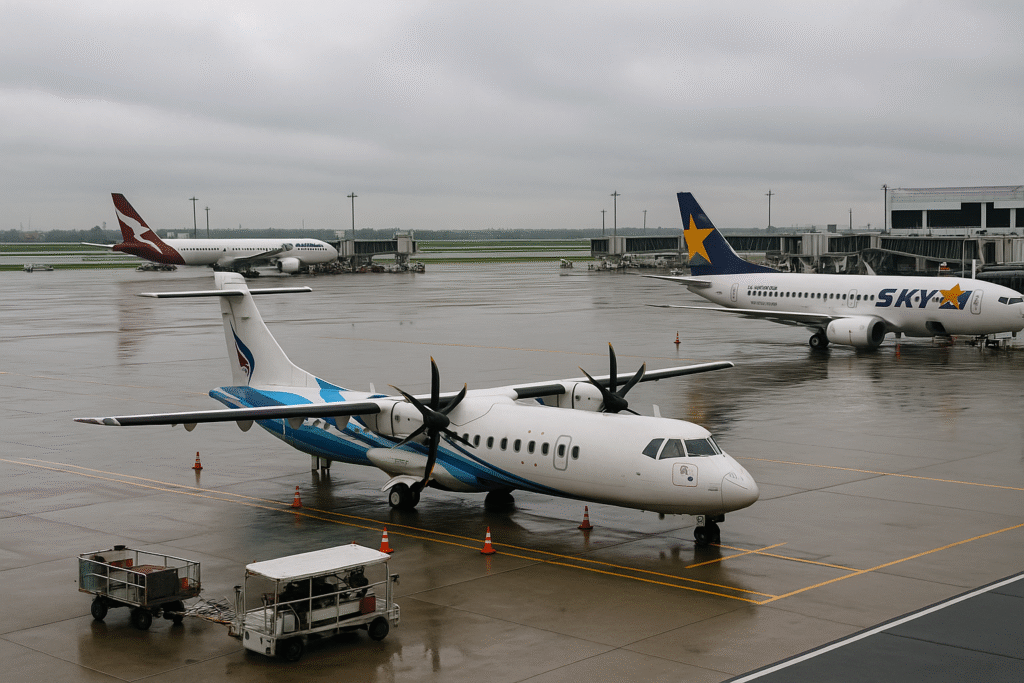
Thailand’s aviation sector faces turbulence this week as over 36 flights are cancelled across Suvarnabhumi, Phuket, and Samui airports. Airlines such as Sky Angkor Airlines and Bangkok Airways have suspended multiple services, disrupting both international and domestic travel. Passengers flying to destinations including Phnom Penh, Perth, Hong Kong, Bengaluru, and Ko Samui report widespread delays and schedule changes.
Major Disruptions at Bangkok’s Suvarnabhumi Airport
Bangkok’s Suvarnabhumi Airport remains the most affected hub. Sky Angkor Airlines grounded several daily flights to Phnom Penh’s Techo International Airport. Morning, afternoon, and evening departures were cancelled for nearly a full week. The cancellations affect both tourists and business travelers who rely on frequent regional connections between Thailand and Cambodia.
Bangkok Airways also suspended numerous flights from Suvarnabhumi to Ko Samui, impacting travelers heading to the resort island. Frequent fliers report that these cancellations disrupted peak travel periods, including late-evening departures.
Airlines have asked passengers to verify their flight details before heading to the airport. Many flights have been rescheduled or merged to optimize operations amid tight scheduling.
Phuket Airport Feels International Strain
Phuket International Airport, a vital hub for inbound tourism, is also facing significant strain. Several carriers, including Jetstar Airways, AirAsia, and Cathay Pacific, cancelled flights throughout the week.
Cathay Pacific halted its service to Hong Kong, a route often used by travelers connecting between Southeast Asia and the wider Asia-Pacific region. Jetstar Airways grounded its Perth service, leaving many Australian passengers seeking rebookings. AirAsia suspended its Tuesday and Thursday flights to Bengaluru, adding further challenges for business travelers.
These cancellations hit tourism hard, especially since Phuket remains a leading gateway for international visitors. With peak travel season approaching, airport authorities are urging passengers to confirm travel details early and allow additional time for airport processing.
Samui Airport Adds to the Chaos
Samui Airport, operated mainly by Bangkok Airways, saw multiple evening flights to Bangkok cancelled across the week. Flights BKP170, BKP176, and BKP192 faced the most disruption. The cancellations occurred during popular travel windows, especially for tourists returning to Bangkok for international connections.
Evening flights from Ko Samui often carry travelers connecting to Europe or the Middle East via Suvarnabhumi Airport. Their cancellation caused several missed connections and overnight delays. Hotel operators on the island also reported extended stays by stranded passengers waiting for rebooked flights.
Overview of the Cancellations
- Suvarnabhumi Airport (Bangkok): 20+ flights cancelled, primarily Sky Angkor Airlines and Bangkok Airways routes to Phnom Penh and Ko Samui.
- Phuket International Airport: 10+ cancellations, including flights to Hong Kong, Perth, and Bengaluru.
- Samui Airport: Several evening Bangkok Airways flights to Bangkok suspended throughout the week.
Altogether, Thailand recorded more than 36 flight cancellations within five days. The disruptions affected routes across Asia, Australia, and domestic Thailand, with Sky Angkor Airlines and Bangkok Airways being the most impacted carriers.
Causes Behind the Widespread Cancellations
The airlines have not released detailed statements, but several factors appear to be contributing. Scheduling conflicts, limited aircraft availability, and adjustments to meet fluctuating passenger demand are among the leading causes. Seasonal storms in southern Thailand may have also influenced decisions to suspend some flights.
Air traffic analysts highlight that Thailand’s aviation network operates under heavy pressure due to dense flight schedules and rising tourist numbers. Even small operational disruptions can cascade across multiple routes, especially during weekends and holiday periods.
Impact on Tourism and Travelers
Thailand’s tourism industry depends heavily on air connectivity. These cancellations affect not only travelers but also local businesses relying on visitor arrivals. Tour operators, hotels, and connecting transport services all face last-minute adjustments.
Tourism authorities have advised travelers to use airline mobile apps for real-time updates and to stay in close contact with airline customer service channels. Many carriers are offering rebooking options or alternate flight arrangements within a few days.
Passengers are encouraged to allow additional buffer time between connecting flights and to maintain flexible itineraries. Those traveling to or from island destinations like Samui should prepare for potential weather-related delays as well.
Managing Travel Disruptions
To minimize inconvenience, travelers can take the following steps:
- Check flight status early: Review departure and arrival updates before leaving for the airport.
- Use flexible tickets: Opt for fares that allow changes or refunds when booking future trips.
- Plan longer layovers: Allow extra time for connections between domestic and international flights.
- Stay connected: Use official airline apps and alerts for the latest information.
- Contact airlines directly: Speak with representatives for rebooking options or compensation when eligible.
These small steps help travelers navigate disruptions more effectively, especially during peak travel periods.
Outlook for Thai Aviation
Despite the disruptions, Thailand’s aviation system remains strong and continues to serve millions of travelers weekly. Authorities at Suvarnabhumi, Phuket, and Samui are reviewing scheduling systems and improving coordination between airlines to minimize future disruptions.
Tourism analysts expect flight stability to improve in the coming weeks as airlines rebalance routes and optimize fleet usage. However, travelers should remain flexible as seasonal weather and high passenger volumes continue to challenge smooth operations.
Thailand’s air travel network, though temporarily strained, remains one of Asia’s most efficient. As airlines adjust operations and recover schedules, normal service is expected to resume shortly. For now, travelers should stay alert, plan ahead, and allow room for change as the aviation sector works to restore seamless connectivity.
For more travel news like this, keep reading Global Travel Wire