








Global travel patterns changed sharply during early 2026 as conflict disrupted major Middle Eastern air corridors. Airlines that rely on Gulf transit hubs now face operational uncertainty and longer flight paths. At the same time, United Airlines has experienced a strong increase in bookings. Travelers now favor routes that avoid the Middle East completely. This shift has pushed more passengers toward airports such as Newark and Chicago.
Industry analysts say geopolitical tensions forced airlines and travelers to rethink global aviation routes. The crisis affecting airspace over Iran, Iraq, and nearby regions created serious challenges for carriers that traditionally connect Europe, Asia, and North America through Gulf hubs. As a result, many travelers now prefer routes across the Atlantic or Pacific that avoid unstable regions.
Geopolitical Crisis Changes Global Aviation Routes
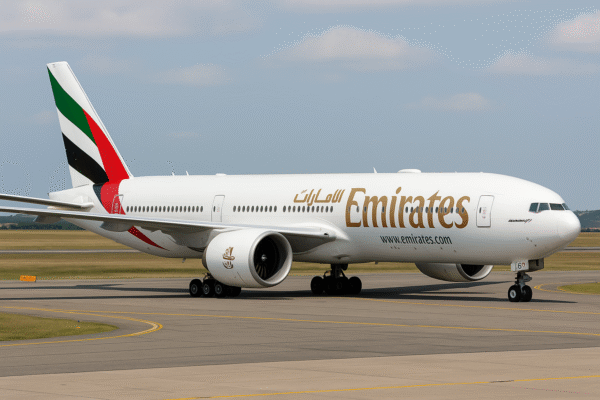
The aviation industry relies heavily on predictable air corridors. For decades, major Gulf airports in Dubai, Doha, and Abu Dhabi served as key transfer points between continents. Airlines such as Emirates, Qatar Airways, and Etihad built powerful networks using these hubs.
However, the 2026 aviation crisis disrupted this system. Military tensions and missile threats forced authorities to restrict large areas of airspace across parts of the Middle East. Airlines now face longer detours, higher fuel consumption, and complex operational planning.
These disruptions affect millions of passengers who travel between North America, Europe, India, and Southeast Asia each year. Travelers now search for flight routes that reduce risk and avoid volatile regions. Airlines that depend heavily on Middle Eastern transit points must adapt quickly to these new conditions.
United Airlines Sees Record Demand
United Airlines has emerged as one of the biggest beneficiaries of the changing travel landscape. The Chicago-based airline operates a large network across the Atlantic and Pacific oceans. Most of its routes bypass the Middle East entirely.
This network structure now attracts travelers who want stable flight paths. The airline recorded its highest single-day booking volume on March 10, 2026. Many passengers chose United flights specifically because they avoid Gulf airspace.
United also holds strong financial reserves. The airline reported around $17 billion in liquidity, which allows it to handle rising operational costs more effectively. Higher fuel prices and longer flight routes now challenge many global carriers. United’s financial strength gives it greater flexibility during uncertain periods.
Airline executives say the company spent years preparing for unpredictable global conditions. This strategy included expanding transatlantic routes and strengthening hubs across the United States.
Key U.S. Airports Become Strategic Travel Gateways
The surge in bookings has increased traffic at several major American airports. Newark Liberty International Airport has become a critical gateway for travelers heading between North America, Europe, and parts of Asia.
Chicago O’Hare International Airport also plays a growing role. The airport already ranks among the busiest aviation hubs in the world. Increased international demand now pushes airlines to add capacity and improve connections.
Washington Dulles and San Francisco International Airport also benefit from shifting global travel flows. These airports provide strong connections to Europe, South Asia, and East Asia.
Travelers who once relied on Gulf hubs now choose multi-stop routes through the United States. Airlines and airports across the country continue to adjust schedules and expand services to meet this rising demand.
What the Shift Means for Travelers
The new aviation landscape brings both advantages and challenges for passengers. Many travelers now prioritize safety and reliability over luxury and convenience.
Flying through American hubs keeps routes far away from active conflict zones. This factor provides reassurance for passengers who worry about geopolitical risks during long international flights.
United Airlines also offers relatively stable operations during the crisis. Flights that avoid Middle Eastern airspace face fewer sudden cancellations or last-minute route changes.
However, rising demand also brings higher ticket prices. Airlines must manage limited seat availability while accommodating more passengers. Travelers now compete for seats on routes that bypass unstable regions.
Busy airports also create longer security lines and crowded terminals. Lounges, immigration counters, and boarding gates face higher passenger volumes throughout the day.
Some passengers also notice differences in onboard experience. Gulf carriers built strong reputations for premium service and luxury cabins. Travelers switching to alternative routes may experience a different style of service.
Aviation Industry Adapts to a New Reality
The aviation industry has always responded quickly to geopolitical change. Airlines constantly adjust flight paths, schedules, and fuel strategies to maintain safe operations.
Experts believe the current shift may reshape global travel networks for several years. Airlines that rely heavily on a single geographic corridor face greater risk during geopolitical crises.
United Airlines demonstrates the advantage of maintaining a diverse route network. Strong financial planning and flexible operations allow the airline to respond quickly to global disruptions.
Airlines across Europe, Asia, and North America now study similar strategies. Expanding alternative routes and reducing reliance on specific transit hubs could improve long-term resilience.
A Changing Definition of Travel Comfort
Luxury once defined long-haul travel for many passengers. Travelers often chose airlines based on premium lounges, gourmet meals, and advanced cabin features.
Today, safety and reliability hold greater importance. Travelers increasingly value predictable routes that avoid unstable regions. Reaching the destination without delays or diversions now ranks as the most important priority.
The events of 2026 highlight how quickly global travel patterns can shift. Airlines that adapt quickly gain a strong competitive advantage.
For passengers, the lesson remains clear. In uncertain times, the safest route often becomes the most valuable travel choice.
For more travel news like this, keep reading Global Travel Wire