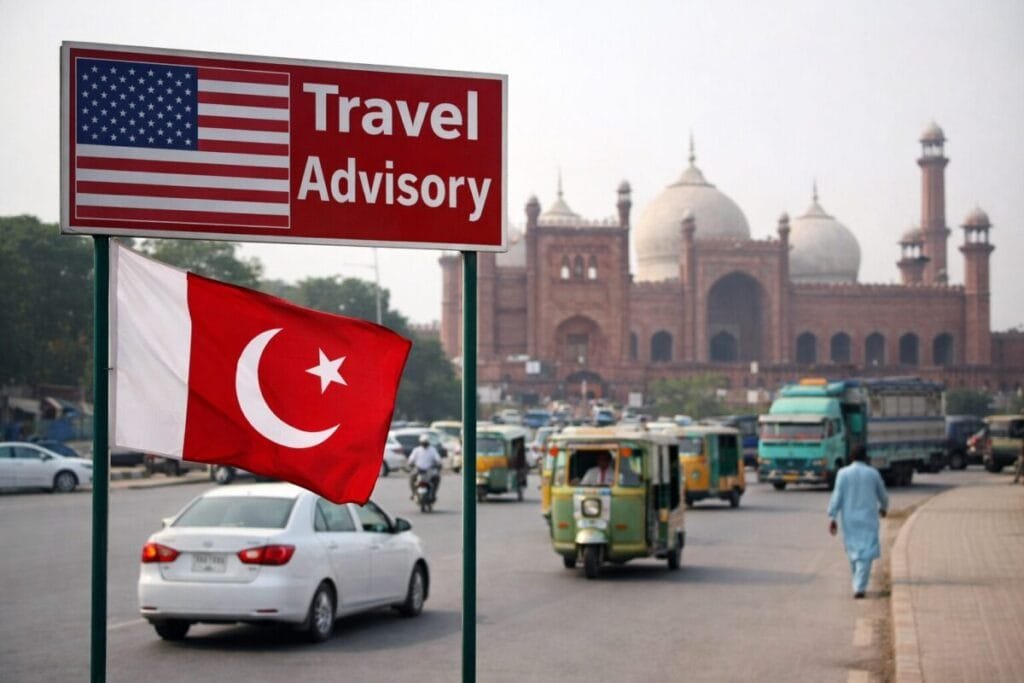
Travelers planning international journeys are once again being reminded of the importance of monitoring safety advisories after the United States updated its travel guidance for Pakistan, placing the country under a Level 3 advisory. The designation urges American citizens to reconsider travel due to ongoing security challenges that include terrorism threats, kidnapping risks, and periodic civil unrest.
Pakistan remains a country of immense cultural and natural beauty, home to dramatic mountain landscapes, centuries-old heritage cities, and vibrant traditions. However, current security concerns have prompted officials to caution travelers that conditions in some regions present risks that may not always be easily avoided through routine precautions.
The advisory serves as guidance rather than a blanket ban on travel, but it signals that visitors should carefully assess their travel plans and remain aware of changing local conditions.
Understanding What Level 3 Means for Travelers
The U.S. travel advisory system ranks destinations on a four-tier scale to help citizens evaluate travel risks. Level 1 calls for standard precautions, while Level 2 advises increased caution. Level 3, currently assigned to Pakistan, urges travelers to reconsider travel due to serious safety concerns. Level 4, the highest level, recommends that citizens do not travel to specific areas.
Officials stress that Level 3 does not mean travel is impossible, but rather that risks are significant enough to require careful planning and heightened awareness.
According to advisory notes, security threats can affect both locals and visitors, particularly in crowded public places or high-profile locations where incidents are more likely to occur unexpectedly.
Regions Under Stronger Restrictions
Although the advisory applies nationwide, certain areas within Pakistan fall under stricter warnings. These include regions where government authorities may have limited ability to provide assistance during emergencies.
Areas cited as high risk include Balochistan Province and parts of Khyber Pakhtunkhwa near the Afghan border, where militant activity and kidnapping threats have historically been more frequent. The area surrounding the Line of Control between Pakistan and India is also considered highly sensitive due to ongoing geopolitical tensions.
Travelers are strongly advised to avoid these areas unless absolutely necessary, as safety conditions can change quickly and access to emergency support may be limited.
Civil Unrest Adds Additional Challenges
In addition to security concerns linked to militant activity, travelers are warned about the possibility of civil unrest and political demonstrations in major cities. Large gatherings sometimes occur in urban centers such as Islamabad, Karachi, and Lahore, occasionally leading to road closures, transportation disruptions, and temporary communication interruptions.
For visitors unfamiliar with local conditions, sudden protests or transport shutdowns can complicate travel plans, making it difficult to reach airports or move safely within cities. Authorities recommend avoiding public demonstrations and monitoring local news updates when traveling in affected areas.
Impact on Tourism and Visiting Families
Travel advisories often affect more than tourism alone. Millions of people of Pakistani heritage living abroad travel back regularly to visit relatives, attend family events, or reconnect with their roots. Updated advisories sometimes cause families to reconsider travel plans, particularly when traveling with children or elderly relatives.
Tourism stakeholders also feel the impact. Pakistan’s tourism industry has worked in recent years to promote destinations such as Hunza Valley, Skardu, and cultural sites in Lahore and Multan. Travel warnings can reduce visitor numbers, affecting livelihoods in hospitality, guiding services, and small businesses dependent on international travelers.
Despite challenges, many regions remain welcoming and continue to attract domestic and limited international visitors, especially adventure travelers drawn to trekking and mountain tourism.
Safety Tips for Those Who Must Travel
Officials recognize that some travelers may need to visit Pakistan for family or professional reasons. In such cases, travelers are encouraged to take additional precautions.
Recommended safety measures include staying informed through reliable local news sources, avoiding predictable routines, keeping family members informed about travel movements, and preparing emergency communication plans in case internet or mobile networks become unavailable.
Travelers are also encouraged to register their trips with official traveler programs that provide updates and assist authorities in reaching citizens during emergencies.
Maintaining a low public profile and avoiding large crowds can further reduce exposure to potential risks.
Security Situations Can Change Over Time
Travel advisories are periodically reviewed and adjusted as security conditions evolve. Governments stress that warnings are based on safety assessments rather than political positions, and updates may occur when conditions improve or deteriorate.
Pakistan’s authorities continue efforts to strengthen tourism infrastructure and improve safety conditions in popular travel regions. Tourism officials hope that continued development and stability will eventually restore traveler confidence and support economic recovery in tourism-dependent communities.
Travelers Urged to Plan Carefully
For now, travelers considering trips to Pakistan are encouraged to weigh the advisory carefully, review current local conditions, and consider alternative travel plans if concerns remain.
While Pakistan continues to offer rich cultural experiences and spectacular landscapes, the updated advisory underscores the importance of prioritizing personal safety and remaining alert when traveling internationally.
Travel decisions ultimately depend on individual circumstances, but informed planning and awareness remain essential tools for safe global exploration as security conditions continue to evolve worldwide.
For more travel news like this, keep reading Global Travel Wire