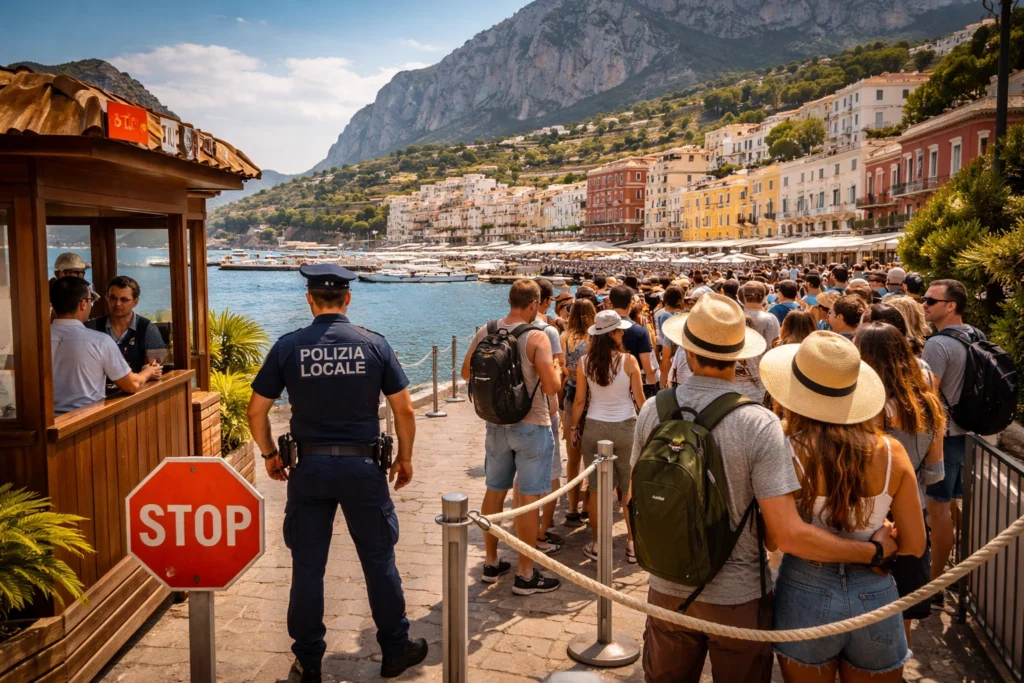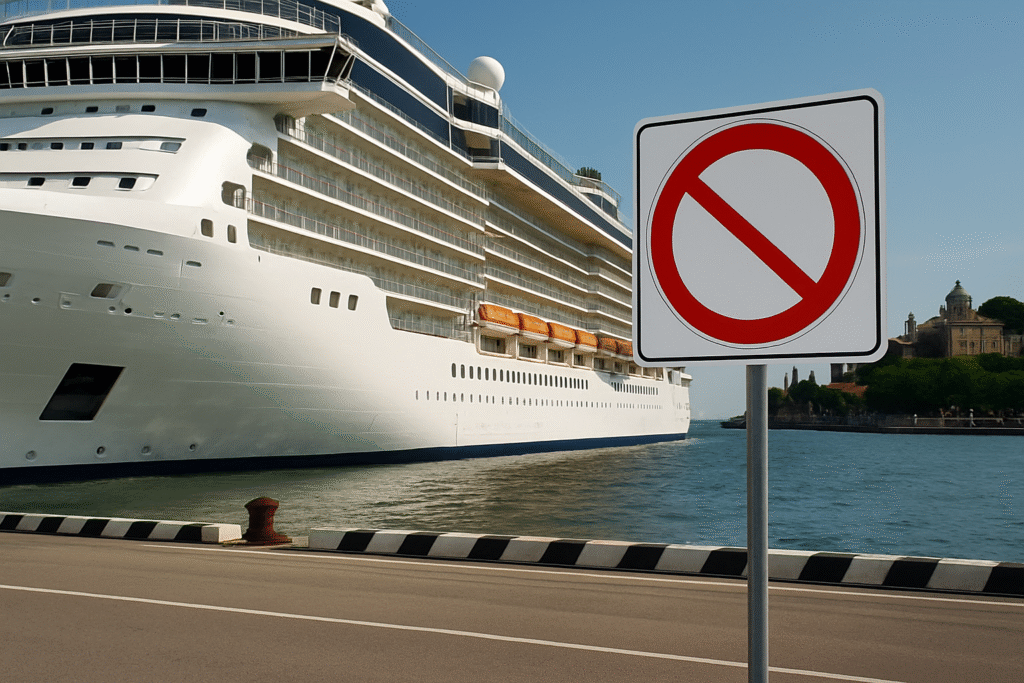
The United States now joins Greece, the Netherlands, Spain, and Italy in a growing global movement toward sustainable tourism. New cruise restrictions aim to protect fragile destinations, reduce congestion, and support long-term environmental health. Authorities in major US ports want to balance tourism revenue with the need to preserve local ecosystems and community well-being.
Cruise tourism continues to grow every year. Industry forecasts show more than 35 million passengers in 2024, which increases pressure on coastal destinations. Ports in Europe and North America now face overcrowding, rising emissions, and stress on public infrastructure. Because of this, governments and tourism boards have started adopting new rules to manage visitor numbers and reduce the strain on popular locations.
US destinations such as Alaska, California, and Florida now follow the path set by Venice, Amsterdam, Barcelona, and Santorini. These regions want to protect their cultural sites and natural spaces while still supporting tourism jobs and local businesses. The goal is simple. Attract visitors, but not at the cost of the environment or resident quality of life.
Santorini Introduces New Taxes and Strict Passenger Caps
Greece has taken some of the strongest steps in Europe. Santorini recorded more than one million cruise passengers in 2023, far beyond what its small infrastructure can manage. The government introduced a cruise tax in 2024 for visitors to Mykonos and Santorini. The fee funds environmental programs and supports upgrades to local services.
Next year, Santorini plans to limit arrivals to 8,000 cruise passengers per day. This cap aims to reduce pressure on the island’s roads, waste systems, and cultural sites. Residents support the move because it protects the island’s beauty, keeps towns calmer, and improves the experience for travelers.
Venice Blocks Large Cruise Ships and Plans New Limits
Italy continues to take decisive action as well. Venice banned large cruise ships from the historic center in 2021. Authorities became concerned about erosion, pollution, and damage to the city’s fragile foundations. Smaller vessels may return by 2027, but only under strict guidelines and size rules.
Officials also want to cut cruise visits by up to 20 percent in the coming years. Venice depends on tourism, yet it must preserve its canals, architecture, and lagoon ecosystem. These changes reflect a major cultural shift in Italy toward sustainable visitor management.
Amsterdam Cuts Cruise Traffic to Ease Overcrowding
The Netherlands also reduced cruise arrivals in Amsterdam. The city plans to cut cruise calls in half by 2026. This reduces congestion in the historic center and improves air quality. By 2027, ships must also use shore power. This lowers emissions and supports public health goals.
Amsterdam’s leaders want tourism that supports the city rather than overwhelms it. Cruise limits form part of a broader strategy that regulates short-term rentals and manages visitor flows in busy districts.
Barcelona Closes Cruise Terminals and Reduces Port Activity
Spain’s approach mirrors the rest of Europe. Barcelona closed one of its major cruise terminals in late 2024. Another terminal will close in 2025. All ships now dock farther from residential neighborhoods. This reduces noise, pollution, and foot traffic in sensitive areas.
Barcelona welcomes millions of tourists every year. The city benefits from the industry but understands that long-term sustainability requires strong action. The new rules protect historic districts and give residents a more balanced urban environment.
Juneau Sets Passenger Limits to Protect Local Communities
The United States now follows this global trend. Juneau, Alaska, reached an agreement with major cruise lines to begin daily passenger caps in 2026. Limits include 16,000 passengers on most days and 12,000 on Saturdays.
Currently, Juneau receives more than 21,000 cruise visitors on peak days. This overwhelms a city with only 32,000 residents. The community wants to protect its landscapes, wildlife, and downtown area. Smaller visitor numbers help the city maintain its identity and quality of life.
In addition, limits on large ships took effect in 2024. These steps form part of a long-term strategy to protect Alaska’s tourism economy and natural heritage.
US Coastal States Explore New Cruise Rules
California and Florida are also discussing cruise regulations. Officials in Los Angeles, San Francisco, and Key West want more sustainable operations, especially during peak travel seasons. These discussions follow rising concerns over air quality, dredging, and marine impacts.
Many tourism boards support these conversations. They want to keep attracting cruise travelers while improving environmental safeguards and community experiences.
A Global Shift Toward Sustainable Cruise Tourism
Across Europe and the United States, governments now accept that mass tourism needs a balanced approach. Crowded ports and stressed communities can no longer carry unlimited visitor numbers. Cruise restrictions offer a clear solution. They help protect historic sites, improve resident life, and create a better experience for travelers.
Cities and countries that adopt these policies shape the future of tourism. They show that sustainability and economic success can work together. As more destinations embrace environmental responsibility, the cruise industry will evolve into a model that respects both people and places.The United States now joins Greece, the Netherlands, Spain, and Italy in a growing global movement toward sustainable tourism. New cruise restrictions aim to protect fragile destinations, reduce congestion, and support long-term environmental health. Authorities in major US ports want to balance tourism revenue with the need to preserve local ecosystems and community well-being.
Cruise tourism continues to grow every year. Industry forecasts show more than 35 million passengers in 2024, which increases pressure on coastal destinations. Ports in Europe and North America now face overcrowding, rising emissions, and stress on public infrastructure. Because of this, governments and tourism boards have started adopting new rules to manage visitor numbers and reduce the strain on popular locations.
US destinations such as Alaska, California, and Florida now follow the path set by Venice, Amsterdam, Barcelona, and Santorini. These regions want to protect their cultural sites and natural spaces while still supporting tourism jobs and local businesses. The goal is simple. Attract visitors, but not at the cost of the environment or resident quality of life.
Santorini Introduces New Taxes and Strict Passenger Caps
Greece has taken some of the strongest steps in Europe. Santorini recorded more than one million cruise passengers in 2023, far beyond what its small infrastructure can manage. The government introduced a cruise tax in 2024 for visitors to Mykonos and Santorini. The fee funds environmental programs and supports upgrades to local services.
Next year, Santorini plans to limit arrivals to 8,000 cruise passengers per day. This cap aims to reduce pressure on the island’s roads, waste systems, and cultural sites. Residents support the move because it protects the island’s beauty, keeps towns calmer, and improves the experience for travelers.
Venice Blocks Large Cruise Ships and Plans New Limits
Italy continues to take decisive action as well. Venice banned large cruise ships from the historic center in 2021. Authorities became concerned about erosion, pollution, and damage to the city’s fragile foundations. Smaller vessels may return by 2027, but only under strict guidelines and size rules.
Officials also want to cut cruise visits by up to 20 percent in the coming years. Venice depends on tourism, yet it must preserve its canals, architecture, and lagoon ecosystem. These changes reflect a major cultural shift in Italy toward sustainable visitor management.
Amsterdam Cuts Cruise Traffic to Ease Overcrowding
The Netherlands also reduced cruise arrivals in Amsterdam. The city plans to cut cruise calls in half by 2026. This reduces congestion in the historic center and improves air quality. By 2027, ships must also use shore power. This lowers emissions and supports public health goals.
Amsterdam’s leaders want tourism that supports the city rather than overwhelms it. Cruise limits form part of a broader strategy that regulates short-term rentals and manages visitor flows in busy districts.
Barcelona Closes Cruise Terminals and Reduces Port Activity
Spain’s approach mirrors the rest of Europe. Barcelona closed one of its major cruise terminals in late 2024. Another terminal will close in 2025. All ships now dock farther from residential neighborhoods. This reduces noise, pollution, and foot traffic in sensitive areas.
Barcelona welcomes millions of tourists every year. The city benefits from the industry but understands that long-term sustainability requires strong action. The new rules protect historic districts and give residents a more balanced urban environment.
Juneau Sets Passenger Limits to Protect Local Communities
The United States now follows this global trend. Juneau, Alaska, reached an agreement with major cruise lines to begin daily passenger caps in 2026. Limits include 16,000 passengers on most days and 12,000 on Saturdays.
Currently, Juneau receives more than 21,000 cruise visitors on peak days. This overwhelms a city with only 32,000 residents. The community wants to protect its landscapes, wildlife, and downtown area. Smaller visitor numbers help the city maintain its identity and quality of life.
In addition, limits on large ships took effect in 2024. These steps form part of a long-term strategy to protect Alaska’s tourism economy and natural heritage.
US Coastal States Explore New Cruise Rules
California and Florida are also discussing cruise regulations. Officials in Los Angeles, San Francisco, and Key West want more sustainable operations, especially during peak travel seasons. These discussions follow rising concerns over air quality, dredging, and marine impacts.
Many tourism boards support these conversations. They want to keep attracting cruise travelers while improving environmental safeguards and community experiences.
A Global Shift Toward Sustainable Cruise Tourism
Across Europe and the United States, governments now accept that mass tourism needs a balanced approach. Crowded ports and stressed communities can no longer carry unlimited visitor numbers. Cruise restrictions offer a clear solution. They help protect historic sites, improve resident life, and create a better experience for travelers.
Cities and countries that adopt these policies shape the future of tourism. They show that sustainability and economic success can work together. As more destinations embrace environmental responsibility, the cruise industry will evolve into a model that respects both people and places.
For more travel news like this, keep reading Global Travel Wire