The US government issued a strong travel warning for Somalia due to a major breach in the country’s new e-visa system and worsening security threats. Officials urged Americans to avoid non-essential travel and prepare for serious risks. Somalia already holds a high-risk reputation. The breach now adds digital danger to an already fragile landscape.
Tourists who hoped to visit Somalia during the holiday season now face a mix of rising threats. The U.S. Department of State continues to list Somalia under its highest travel warning. This level signals extreme danger for visitors. The recent e-visa breach reinforces the seriousness of the advisory.
Tourism Growth Collides with Security Concerns
Somalia has seen a surprising rise in tourism interest. Visitor numbers nearly doubled in 2024. Reports show almost 10,000 tourists reached Somalia that year. This growth came from renewed efforts to promote natural beauty, heritage sites and unique cultural experiences. The government pushed to attract foreign visitors and encourage investment.
However, strong tourism interest cannot erase major safety concerns. Somalia faces frequent extremist attacks, unpredictable unrest and high levels of violent crime. Kidnapping, piracy and armed conflict remain constant threats. These ongoing issues clash with Somalia’s tourism ambitions. They also create a challenging environment for travelers who want meaningful experiences.
E-Visa System Launch Creates Hope, Then Crisis
Somalia launched a new e-visa system on September 1, 2025. The system aimed to simplify entry and modernize immigration procedures. Tourists could apply online, which removed the need for embassy visits. Many travelers welcomed this change as a sign of progress.
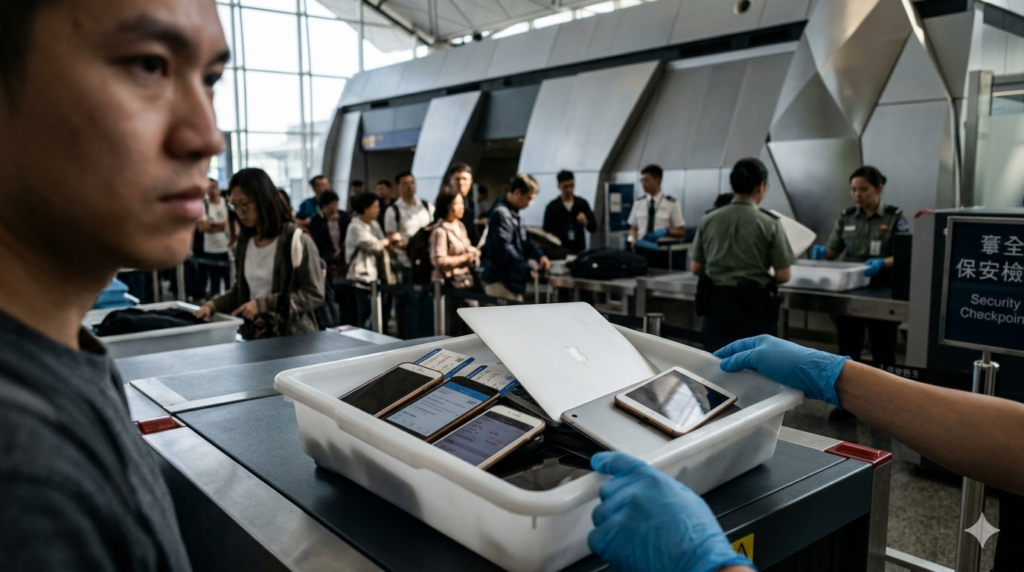
However, the system soon suffered a severe security breach. On November 11, 2025, the U.S. Embassy reported the breach after receiving credible alerts. Hackers gained access to sensitive personal data from more than 35,000 applicants. The data included photos, birth details, home addresses and other private information.
This breach created major fear among travelers. Identity theft risks grew fast. The situation raised serious questions about the country’s digital safety. It also showed the need for stronger cybersecurity protocols to protect visitors.
US Maintains Level 4 Travel Advisory
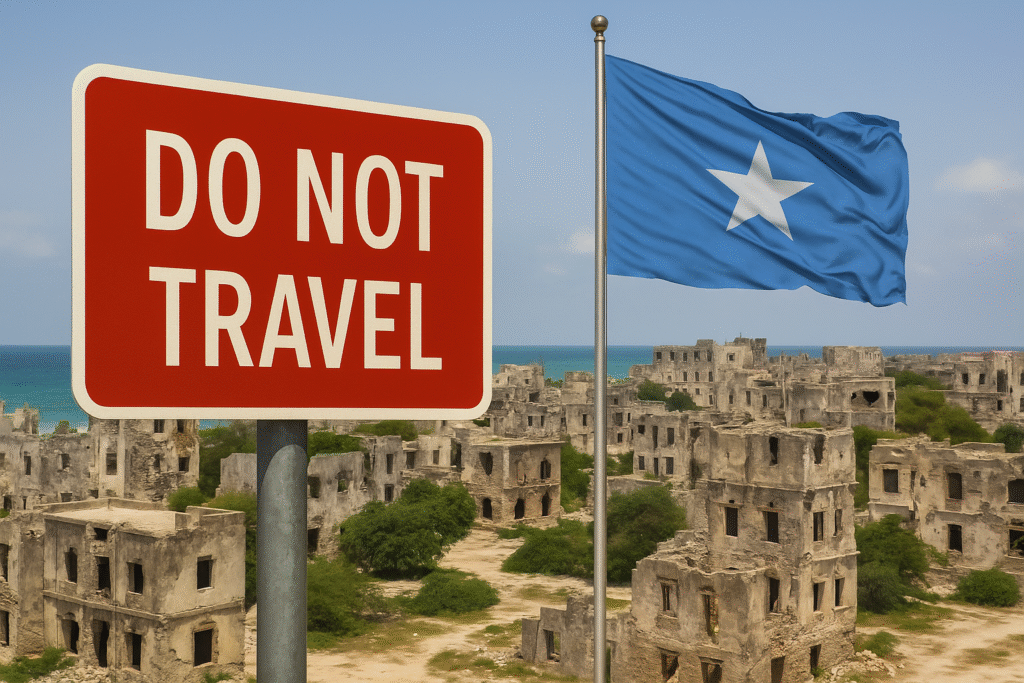
The U.S. Department of State continues to enforce a Level 4 “Do Not Travel” advisory for Somalia. This rating warns citizens to avoid travel entirely. Officials cited terrorism, crime, kidnapping, and piracy as leading concerns. The government also warned about limited medical support and minimal consular services outside Mogadishu.
Threat groups like al-Shabaab present serious dangers. These groups target hotels, airports, restaurants, offices and transport hubs. Attacks can occur without warning. Tourists cannot rely on predictable safety measures. The environment demands constant caution.
The US government stresses that emergency support may be delayed due to restricted mobility for embassy staff. This makes independent planning essential for anyone entering Somalia.
Travelers Face High Personal Safety Risks
Travelers who still plan to visit Somalia must take strong precautions. Officials advise preparing an emergency exit plan before entering the country. Tourists should also update wills, review insurance and select emergency contacts. These steps help visitors reduce risk in unstable situations.
Tourists must remain inside the Mogadishu International Airport complex whenever possible. This location holds the strongest security presence. Travel outside the secure area increases exposure to threats. Armed groups operate across the country, and many roads remain unsafe. Even short trips require careful planning.
Visitors should also secure backup departure options. Neighboring countries may offer evacuation routes if conditions worsen. Family members should remain informed at all times. Frequent communication helps coordinate emergency support if needed.
Infrastructure Limitations Challenge Tourist Safety
Somalia continues to improve roads and public services. However, infrastructure challenges remain widespread. Medical care is limited, especially outside Mogadishu. Emergency transport may face delays. Communication networks also experience frequent interruptions. These challenges create barriers for visitors who need reliable support.
Government officials work to strengthen facilities, but progress remains slow. The e-visa breach highlights the need for stronger digital systems. Tourists depend on stable platforms for safe travel processing.
Tourism Potential Exists but Needs Stability
Somalia holds great potential for tourism growth. Its coastline, archaeological sites and traditional culture appeal to adventurous travelers. The country offers raw natural beauty and rich history. With improved safety, Somalia could attract a strong global audience.
However, the country must first address key issues. Security improvements must take priority. Digital systems must protect visitor data. Infrastructure upgrades must continue. Only then can Somalia build a secure foundation for tourism.
The recent e-visa breach and rising threats show the scale of the challenge. The government must strengthen national security while working to rebuild trust among foreign travelers.
The Road Forward for Travelers and Officials
For now, US officials strongly urge citizens to avoid Somalia. Risks remain extremely high. The e-visa breach adds a new layer of concern. Tourists must stay informed and monitor travel advisories.
Somalia continues to work towards a safer future. The path forward requires stability, security and digital protection. Until then, only the most prepared visitors should consider travel.
For more travel news like this, keep reading Global Travel Wire