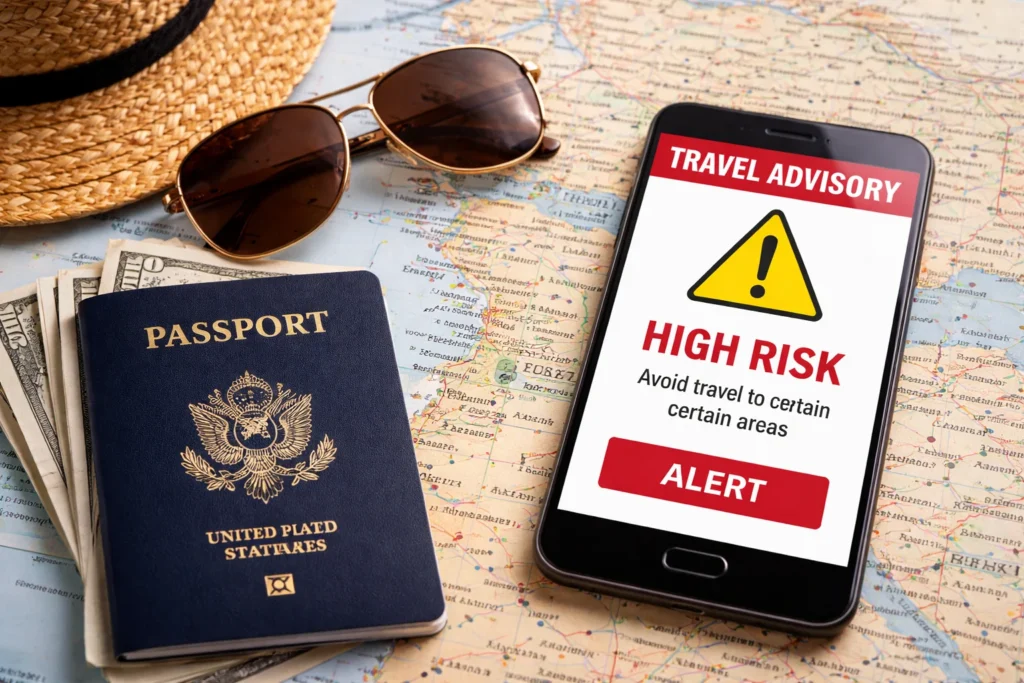
A new travel advisory issued by the U.S. Department of State is drawing attention to safety considerations for American travelers planning international trips in 2026. The updated guidance outlines specific high-risk areas and reinforces precautionary measures, reflecting ongoing efforts by authorities to ensure traveler safety and informed decision-making.
According to official statements, certain regions in Egypt have been classified under the highest advisory level due to security concerns. These include the Northern and Middle Sinai Peninsula, parts of the Western Desert, and areas near international borders. Authorities cite factors such as military activity, terrorism risks, and limited access to emergency services as key reasons for the designation.
The advisory highlights that remote regions may lack adequate healthcare infrastructure, including emergency and intensive care facilities. This limitation is a significant consideration for travelers, particularly those venturing beyond major urban centers. Government guidance emphasizes that access to medical assistance can be unpredictable in such areas, making preparedness essential.
Tourism authorities and diplomatic officials stress that the advisory does not apply uniformly across the entire country. Popular tourist destinations and major cities continue to operate under standard safety protocols, supported by local authorities and tourism agencies. However, travelers are encouraged to remain vigilant and adhere to official recommendations when planning their itineraries.
The updated advisory outlines several key precautions for American citizens traveling abroad. One of the primary recommendations is to ensure that travel documents, including passports and identification, are current and easily accessible at all times. Authorities note that having proper documentation readily available can facilitate smoother travel and assist in emergency situations.
Another important guideline is the need for contingency planning. The U.S. Department of State advises travelers to prepare for scenarios in which they may need to leave a country without direct assistance. This includes understanding local transportation options, maintaining access to financial resources, and staying informed about exit routes.
Travelers are also urged to familiarize themselves with local laws and conditions before departure. Government officials emphasize that legal systems and regulations can vary significantly between countries, and understanding these differences is crucial for avoiding complications during travel.
Safety recommendations further include avoiding large gatherings, protests, and demonstrations. Such events can escalate unpredictably, posing risks to personal safety. Staying alert and aware of surroundings is consistently highlighted as a key aspect of responsible travel behavior.
The advisory reflects a broader trend in global tourism, where safety considerations are increasingly integrated into travel planning. Tourism boards and international organizations have been working to provide clear and accessible information to travelers, enabling them to make informed decisions based on current conditions.
In addition to government advisories, travelers are encouraged to register their travel plans with official services where available. This allows authorities to provide updates and assistance if needed. Such measures are part of ongoing efforts to enhance communication between travelers and government agencies.
The impact of travel advisories on tourism can vary depending on the scope and nature of the warning. While high-risk areas may see reduced visitor numbers, other regions within the same country often continue to attract tourists. Tourism authorities typically work to reassure visitors by highlighting safety measures and promoting secure travel experiences.
For travelers, the key takeaway from the latest advisory is the importance of preparation and awareness. By following official guidance and staying informed, individuals can reduce risks and enjoy safer travel experiences. Flexibility in travel plans is also recommended, allowing for adjustments based on evolving conditions.
The U.S. Department of State continues to monitor global conditions and update advisories as necessary. These updates are part of a comprehensive approach to supporting American citizens abroad, ensuring that they have access to accurate and timely information.
In the context of global tourism, such advisories serve as essential tools for risk management. They provide valuable insights into regional conditions and help travelers navigate complex environments with greater confidence.
As international travel continues to grow, the role of official advisories remains critical. Governments, tourism boards, and travelers all share a responsibility in maintaining safety and ensuring positive travel experiences.
Ultimately, the new travel advisory for Americans underscores the importance of staying informed and prepared. By adhering to official recommendations and exercising caution, travelers can continue to explore the world while prioritizing their safety and well-being in 2026.
For more travel news like this, keep reading Global Travel Wire