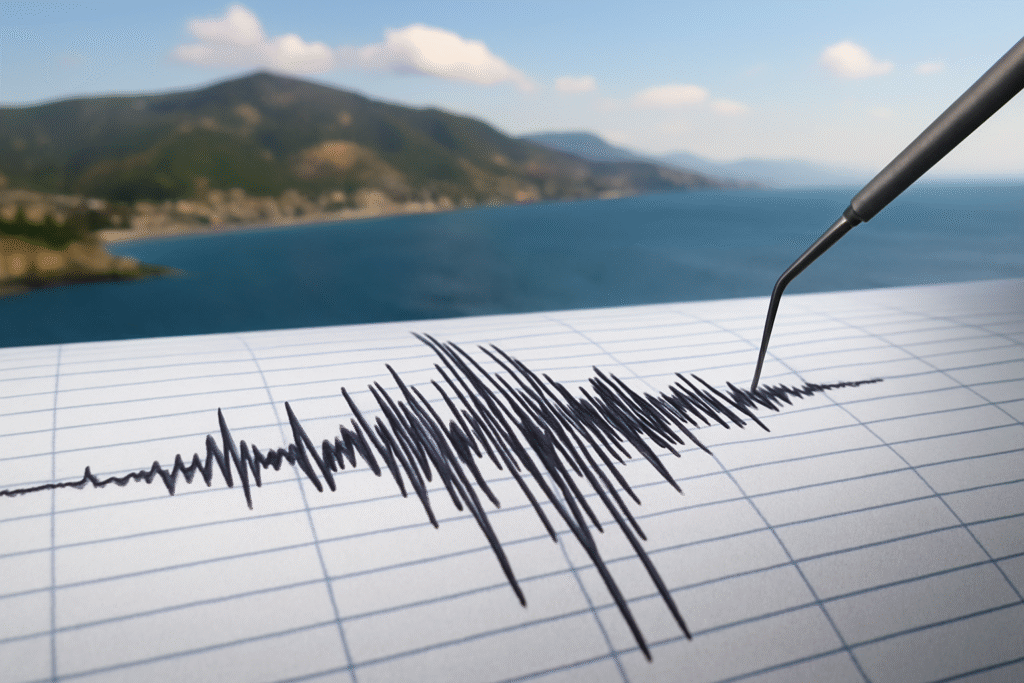
A strong 5.0 earthquake shook the coastline of Venezuela on November 18 and created concern across the broader region. The tremor struck near Yaguaraparo and sent brief waves of anxiety through nearby communities. The earthquake reached a depth of 123 km and formed part of a wider pattern of seismic activity that affects northern Venezuela each year.
Despite the strength of the quake, monitoring agencies across the Caribbean and the United States confirmed that no tsunami threat exists for the region. The situation remains stable, and officials continue to track seismic activity with high-precision tools.
Earthquake Strikes Near Venezuela’s Northern Coast
The quake hit the region at 8:38 PM ET and reached towns along Venezuela’s northern coastline. Residents reported shaking, but the event created no major disruption. The interaction between the Caribbean and South American plates produced this latest shift. These tectonic boundaries often release energy in the form of tremors, which explains the region’s frequent activity.
The depth of the earthquake played a major role in reducing damage. Deep quakes shake wide areas, yet they often create weaker ground movement on the surface. This quake followed that pattern and produced limited local impact.
Monitoring centers analyzed the seismic signature within minutes. Their early assessments helped calm fears of a larger event developing offshore.
Why Tsunami Risks Remain Low After This Quake
Concerns rose quickly due to the quake’s offshore location. Many residents feared a possible tsunami. However, the characteristics of the quake did not support that risk. Tsunamis usually form when a large section of the seafloor moves suddenly. This event involved deep movement rather than shallow rupture.
Experts confirmed that the quake did not shift the seafloor in a way that pushes water upward. Without that sudden displacement, tsunami waves cannot form. The region’s monitoring systems detected no unusual water movement and no pressure changes across the deep-ocean sensors.
The tsunami centers in the United States confirmed that the Caribbean islands and the U.S. East Coast face no danger. Their continuous monitoring helps track any sudden changes in ocean behavior.
Seismic Activity Remains a Normal Part of Life in Northern Venezuela
Northern Venezuela sits along one of the most active plate boundaries in the region. The El Pilar and Boconó faults stretch across the northern half of the country. These faults record frequent shifts and create repeated seismic events.
History shows that this region experiences strong quakes. Major quakes in 1812 and 1967 caused large-scale damage across Venezuela. These events shape local preparedness and influence how agencies monitor newer tremors.
The latest earthquake reminds residents of the region’s geological nature, but it does not signal an emerging crisis. Local scientists continue to track the situation with advanced tools.
Monitoring Agencies Respond with Real-Time Data
Earthquake centers across the Caribbean and North America work together during seismic events. Their quick responses help reduce confusion and prevent misinformation. The U.S. Geological Survey tracks global tremors and uses fast-moving data streams to confirm the location and strength of each quake.
The Caribbean’s seismic research teams also follow events closely. Their sensors help detect patterns across the region. These agencies communicate often and compare readings to ensure accurate assessments.
Tsunami centers use deep-ocean buoys, coastal gauges and satellite data to confirm water movement. These systems reported no abnormal behavior after the Venezuela earthquake.
How Tsunamis Form and Why This Event Produced None
Large earthquakes under the ocean can trigger tsunamis when they lift or drop the seafloor. This movement sends a surge of water outward at high speed. That process requires shallow tectonic motion. Deeper quakes like this one rarely create the right conditions for tsunamis.
Tsunami waves remain small in deep water but grow taller when they near shorelines. This interaction causes strong coastal impacts during major events. The absence of seafloor displacement in this quake prevented this chain reaction.
Understanding this process helps the public remain calm during offshore quakes. Depth matters as much as magnitude, and this quake’s depth ensured low risk.
Caribbean and U.S. East Coast Seismic Patterns Hold Steady
Earthquakes occur regularly across the Caribbean due to active tectonic boundaries. Tremors hit regions near Trinidad, Colombia and Puerto Rico throughout the year. Most events produce no significant damage or tsunami risk.
The U.S. East Coast remains less active than the Caribbean, yet agencies continue to monitor potential risks. The coastline does not face frequent seismic events, but tsunami centers still track Atlantic activity daily.
Modern systems create stronger warning capabilities and help reduce risk across the region.
Preparedness Remains Important for Communities Near Fault Zones
Earthquake awareness plays a major role in public safety. Residents near active regions benefit from strong preparedness habits. Families often secure heavy furniture, plan evacuation routes and stay informed through official alerts.
Local agencies encourage these habits, especially after noticeable tremors. The Venezuela earthquake highlights the need for awareness, even when major destruction does not occur.
Preparedness reduces injuries and helps communities react calmly in future events.
Conclusion: No Tsunami Threat After Venezuela Quake as Monitoring Continues
The 5.0 Venezuela earthquake created concern across the region, but authorities confirmed no tsunami risk for the Caribbean or the U.S. East Coast. Monitoring systems worked quickly and reported stable conditions.
This earthquake adds to the ongoing seismic activity across northern Venezuela. However, the depth and nature of the event prevented any significant impact on the ocean. Agencies will continue to track new data and keep the public informed.
For more travel news like this, keep reading Global Travel Wire