



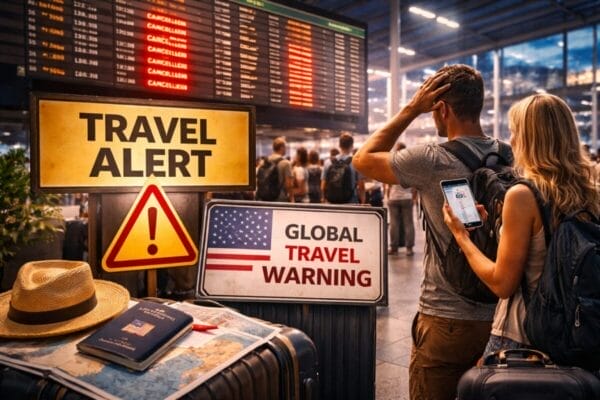
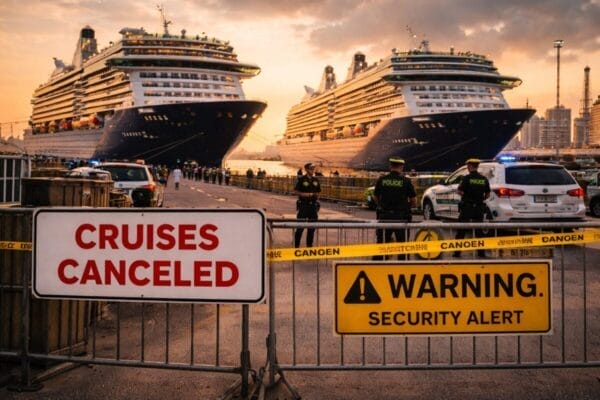


The withdrawal of war-risk insurance coverage in the Persian Gulf has triggered serious concern across global tourism and trade sectors. Several major maritime insurers have halted coverage for vessels operating in high-risk Gulf waters.
This decision affects routes through the Strait of Hormuz and nearby shipping lanes. These corridors serve as vital arteries for global energy and cruise traffic. As a result, tourism stakeholders now face rising uncertainty.
The change follows escalating regional tensions and security risks. Insurance providers have reacted by limiting exposure to potential maritime attacks. Consequently, cruise operators and cargo carriers must reassess operations immediately.
What War-Risk Insurance Means for Travel
War-risk insurance protects vessels against losses caused by conflict or hostile actions. Without this coverage, shipping companies assume greater financial exposure.
Seven International Group P&I clubs have announced suspension of war-risk coverage in affected Gulf areas. Core liability coverage remains active, yet operators must secure separate protection at higher premiums.
This shift increases operational costs for cruise lines, ferry operators, and cargo services. Tourism routes that rely on Gulf ports now face financial pressure.
Cruise itineraries that include Dubai, Abu Dhabi, Doha, and Muscat may change. Some companies may reroute vessels to avoid risk zones. Others may reduce sailings entirely.
Rising Costs and Route Adjustments
Shipping costs in high-risk waters could rise between 25 and 50 percent. Operators often pass such increases to consumers. Therefore, travelers may see higher cruise fares and related expenses.
Air travel could also feel indirect effects. The Strait of Hormuz handles a large portion of global oil shipments. Any disruption influences global fuel prices.
Higher fuel costs translate into increased airfare. Airlines already adjust fares based on fuel surcharges. Tourism-heavy destinations depend on competitive flight pricing to attract visitors.
Travel agencies and tour operators must now review pricing structures. Package costs may increase if logistics expenses climb further.
Energy Supply Chains and Tourism Stability
The Persian Gulf plays a central role in global energy distribution. Oil and gas shipments flow daily through strategic maritime routes.
When insurers withdraw coverage, shipping risk increases. Tanker operators may delay voyages or demand higher freight rates. This ripple effect influences fuel markets worldwide.
Tourism relies heavily on stable energy pricing. Airlines, cruise ships, and hospitality facilities all depend on fuel and transport logistics. Therefore, insurance decisions in shipping directly impact travel markets.
Hotels in Gulf destinations could also face supply chain challenges. Imported goods may experience delivery delays. Construction projects for tourism infrastructure may slow if shipping costs rise.
Gulf Destinations Face Short-Term Uncertainty
Dubai, Abu Dhabi, Doha, and Muscat rank among the Middle East’s most visited cities. These destinations offer luxury resorts, cultural landmarks, and international events.
However, geopolitical instability influences traveler confidence. Tourists often reassess plans when regional tensions escalate. Safety perception plays a crucial role in booking decisions.
Travel advisories and insurance coverage changes create additional hesitation. Even if cities remain operational and secure, uncertainty can reduce arrivals.
Cruise tourism may experience the sharpest impact. Cruise ships require predictable maritime routes and insurance stability. Any disruption can lead to canceled or altered itineraries.
Industry Response and Risk Mitigation
Tourism authorities across Gulf states continue to emphasize security measures. Governments coordinate closely with maritime and aviation regulators.
Cruise lines monitor official advisories and adjust schedules proactively. Some operators may reposition vessels toward Mediterranean or Asian routes temporarily.
Insurance markets remain dynamic. Alternative coverage options may emerge, though at higher cost. Shipping companies often negotiate short-term policies during volatile periods.
Tourism boards may increase promotional campaigns to maintain visitor confidence. Clear communication about safety protocols becomes essential.
Long-Term Implications for Regional Tourism
The Gulf region has invested heavily in tourism diversification. Governments aim to reduce reliance on hydrocarbons by expanding hospitality, culture, and entertainment sectors.
Major global events, luxury resorts, and heritage attractions support this strategy. However, sustained maritime insurance challenges could slow growth momentum.
Investors evaluate geopolitical stability carefully. Insurance restrictions send signals to global markets. Tourism development projects may face cautious financing conditions if instability persists.
Nevertheless, Gulf nations have demonstrated resilience during previous crises. Strong infrastructure and crisis management frameworks support recovery efforts.
What Travelers Should Consider
Travelers planning trips to the Persian Gulf should stay informed. Monitor airline and cruise updates regularly.
Flexible booking options offer added security during volatile periods. Comprehensive travel insurance also provides protection against cancellations or delays.
Travelers should review official government advisories before departure. Most Gulf cities maintain strict security protocols and continue normal operations.
A Critical Moment for Global Travel
The withdrawal of war-risk insurance in the Persian Gulf represents more than a shipping issue. It highlights how geopolitical tensions influence global tourism networks.
Shipping routes, energy supplies, and travel markets remain deeply interconnected. When insurers retreat from high-risk areas, tourism feels immediate consequences.
For now, Gulf destinations remain open to visitors. However, rising operational costs and route adjustments may reshape short-term travel patterns.
Tourism stakeholders must adapt quickly to evolving conditions. Strategic planning, risk management, and transparent communication will determine how effectively the region navigates this challenging period.
For more travel news like this, keep reading Global Travel Wire