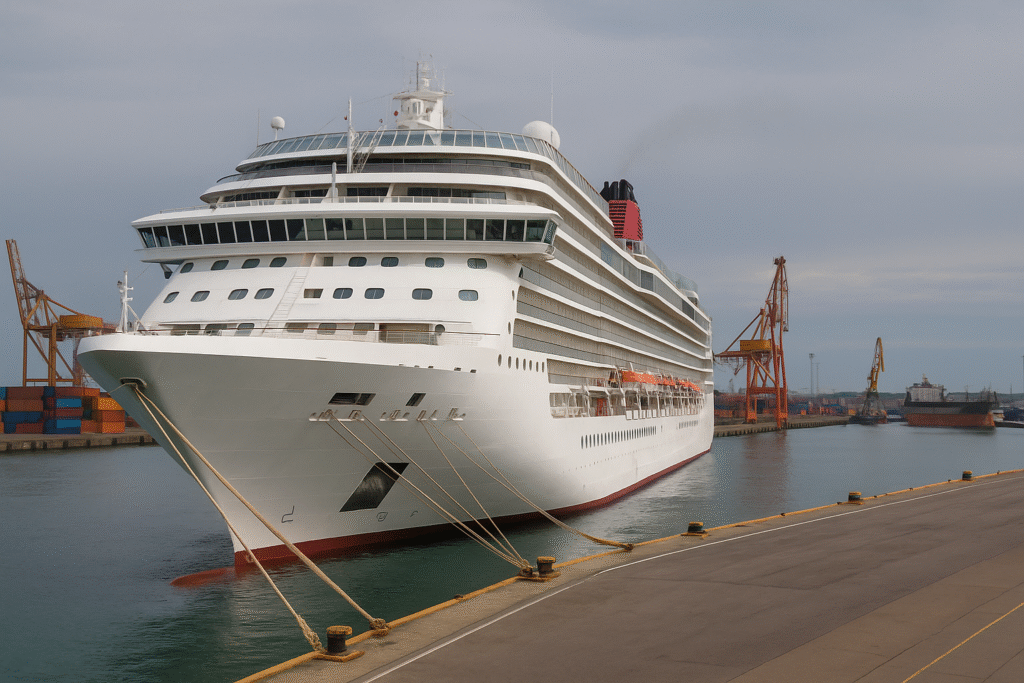
UK cruise tourism enters the holiday season with an unexpected challenge. A major cruise ship remains docked after a cargo vessel lost multiple containers off the coast. Travellers now face uncertainty as authorities investigate the area for safety risks. The accident involved non-hazardous goods. Yet the disruption still shakes confidence in UK coastal cruising. The incident highlights the tight link between maritime trade, environmental safety, and tourism.
Many travellers planned festive escapes along the UK coastline. The delay has now created anxiety for passengers and tour operators. Cruise lines must manage the setback quickly to protect trust in short-sea holiday journeys. Tourism leaders across the UK call for reassurance as the season approaches.
What Triggered the Crisis
A commercial cargo ship lost several containers during rough conditions. The Maritime and Coastguard Agency reacted immediately. The agency issued a navigational hazard alert and began coordinated action with local port authorities. Officials ordered the cruise ship to remain docked while they assessed the situation. They now inspect coastal waters to locate debris hazards. They also evaluate environmental risks before approving the ship’s departure.
This process requires strict safety checks. Even non-toxic cargo can damage vessels if containers drift or sink in shipping channels. The cruise operator awaits clearance to resume its itinerary. Travellers must manage the sudden pause and adjust schedules.
Disrupted Holiday Plans for Passengers
The incident arrived at the worst time for many travellers. Families booked holiday cruises with excitement and high expectations. Now they wait for updates that may change their travel plans. Tour operators race to create alternate itineraries and provide clear communication. Some passengers may choose rebooking options or departures from other ports. Others must delay holidays they prepared for months.
This disruption also affects the broader mood within the cruise market. Many travellers seek short-sea cruises for quick getaways. A sudden delay can reduce enthusiasm and trigger hesitation among future guests. The industry now faces the task of restoring confidence.
Coastal Economies Feel the Pressure
Cruise tourism plays a major role in UK coastal economies. Ports benefit from the spending of cruise passengers. Hotels, restaurants, transport providers, and excursion companies rely on predictable arrivals. Each delayed ship affects revenue for small and medium businesses. These businesses operate on seasonal peaks, and any unexpected disruption can reduce profits significantly.
Regions with high cruise traffic depend on steady visitor flows. Shuttle operators, local guides, souvenir shops, and food vendors now face fewer customers. The delay also affects workers who rely on seasonal income boosts. Local councils monitor the situation and urge quick resolution to protect livelihoods.
Safety Oversight in a Busy Maritime Environment
The UK manages heavy maritime traffic each year. Cargo ships and cruise vessels share ports and shipping channels. Strong coordination remains essential to maintain smooth operations. The incident reveals how a single cargo mishap can influence passenger travel. Authorities must balance tourism needs with industrial maritime activities.
Ports must invest in modern navigation systems, stronger infrastructure, and better risk management. Tourism growth adds pressure on existing systems. Effective communication between cargo operators, environmental teams, and tourism bodies ensures safer operations. The MCA’s intervention shows the value of oversight, yet it also highlights the vulnerability of maritime logistics.
Environmental Impact Raises Concerns
Lost containers create more than economic consequences. Marine scientists warn that sunken containers can damage habitats. Container paint and metals can leak toxins. These materials may harm reefs, seagrass beds, and fish populations over time. Floating debris can also threaten marine animals through entanglement or ingestion.
Environmental teams continue to monitor the affected waters. They focus on potential long-term damage to coastal ecosystems. The incident reinforces the need for stronger container-secure systems and better cargo-handling procedures. The safety of marine life contributes directly to sustainable tourism. Healthy coastlines support wildlife tours, diving excursions, and nature-based tourism segments.
Building Long-Term Resilience in UK Cruise Tourism
The UK’s cruise industry must act decisively to protect its reputation. Passengers value transparency, reliability, and safety. Cruise operators now communicate updates through direct messages, port announcements, and online channels. Clear information helps reduce frustration and builds trust.
The industry must also adopt stronger risk-management strategies. These strategies may include closer monitoring of cargo activities along major cruise routes. Collaboration with marine authorities can prevent similar events and reduce disruptions. Tourism boards must reassure travellers through consistent messaging that underlines the safety of UK cruise operations.
The Human Side of the Crisis
Behind the logistics and safety concerns lie personal stories. Couples looked forward to festive celebrations at sea. Parents promised their children a holiday cruise adventure. Older travellers planned peaceful coastal escapes. These passengers now cope with uncertainty. Many feel disappointed after long months of preparation.
Local shop owners also worry about their income. Cruise passengers bring vibrant energy and reliable spending. Without them, daily visitor numbers fall. Vendors who rely on weekend arrivals must now adjust budgets and expectations.
A Reminder of How Interconnected Travel Has Become
This incident shows how maritime operations influence tourism. Cruise tourism depends on safe routes, clear waters, and reliable ports. Cargo mishaps can disrupt this delicate balance. Even harmless cargo can create chain reactions that reach far beyond the ocean.
The UK tourism sector now works to stabilize the situation. Authorities evaluate environmental risk. Cruise operators support passengers. Coastal communities hope for a swift return to business. The incident serves as a call to strengthen safety, sustainability, and cooperation across all maritime sectors.
Conclusion
The container-loss incident marks a significant moment for UK cruise tourism. The pause in operations creates challenges for travellers, local economies, and port authorities. Yet it also highlights the importance of coordinated maritime safety and long-term resilience. As inspections continue, the industry prepares to restore confidence and protect the promise of safe and memorable coastal cruise experiences.
For more travel news like this, keep reading Global Travel Wire