Adventure Canada has unveiled a remarkable new expedition for 2027 titled High Arctic Expedition: Where Art Meets Land. This voyage will take travelers through the legendary Arctic landscapes that once fueled the creativity of the Group of Seven. The journey honors the centennial anniversary of the 1927 Arctic trip led by A.Y. Jackson and Dr. Frederick Banting. Their historic voyage shaped one of the most influential chapters in Canadian art. The new expedition offers modern travelers a chance to explore the same dramatic scenery that inspired those iconic painters.
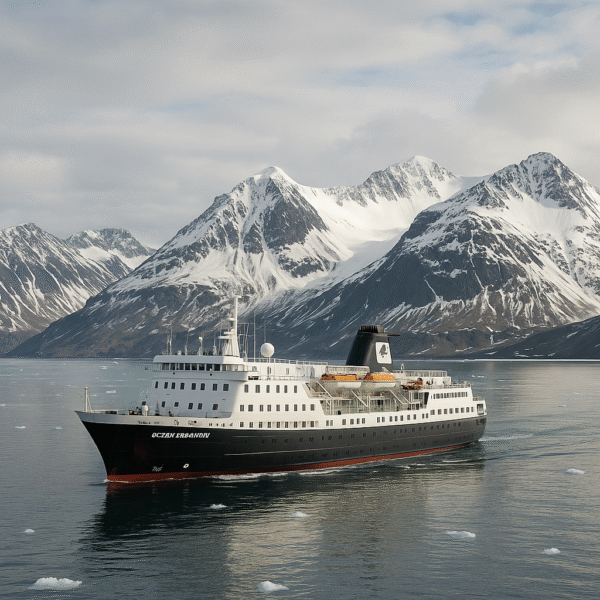
This two-week experience sails from August 31 to September 14, 2027, on the Ocean Nova. Travelers will explore historical sites, remote fjords, and rugged coastlines that highlight the depth and power of the Canadian North. The itinerary celebrates the landscapes that shaped the identity of Canadian art while supporting a deeper understanding of the Arctic environment.
Retracing the Group of Seven’s Arctic Inspirations
The expedition takes guests along a path that mirrors the early journeys of Jackson and Banting. Travelers will visit Beechey Island, Devon Island, and breathtaking Arctic fjords that sit within Greenland’s western coastline. Each stop offers dramatic scenery marked by silent glaciers, towering cliffs, and serene bays.
John Geoghegan from the McMichael Canadian Art Collection will guide the cultural experience. He will offer talks, field observations, and discussions that explore the profound connection between art and land. Guests will learn how the Arctic shaped the artistic direction of Jackson, Banting, and Lawren Harris. Through these sessions, travelers will understand how these landscapes helped define national imagination and cultural identity.
Sustainable Tourism at the Core of the Experience
Adventure Canada places strong emphasis on responsible tourism in delicate environments. The new art-inspired expedition highlights the importance of sustainable travel in the Arctic. Government tourism agencies encourage such approaches to help protect fragile ecosystems that face growing climate pressures. Adventure Canada uses these guidelines to support local communities and reduce environmental impact.
This voyage encourages travelers to appreciate the Arctic while learning how to protect it. Guiding teams highlight ecological changes, wildlife needs, and conservation efforts. This helps guests build a strong connection to environmental stewardship, a crucial element for modern Arctic tourism.
Supporting Local Communities and Indigenous Culture
Tourism growth in Arctic regions creates meaningful opportunities for Inuit communities. The expedition supports local economies through partnerships with guides, artists, and cultural educators. Travelers meet Inuit creators, learn about regional traditions, and explore northern storytelling through performance and art.
These exchanges help preserve cultural heritage while offering visitors deeper insights into Arctic life. Local entrepreneurs benefit from sales of handmade art, traditional carvings, and locally guided tours. This economic cycle supports sustainable community growth and long-term cultural resilience.
Economic and Tourism Benefits for the Wider Arctic Region
The High Arctic Expedition also contributes to broader tourism development across Canada and Greenland. Adventure travel brings new opportunities for businesses, transport services, and hospitality providers in remote areas. Increased tourism interest encourages further investment in local infrastructure, ensuring safe operations and improved community access.
Tourism planners expect demand for art-focused and cultural expeditions to grow in the coming years. Canada’s northern landscape holds unmatched appeal for travelers seeking quiet, untouched environments. This expedition helps increase Canada’s visibility as a leader in sustainable tourism and cultural travel.
Canada’s Rising Profile in Art and Eco-Tourism
Canada continues to attract visitors with its blend of natural beauty and artistic heritage. The Group of Seven shaped global views of Canada’s landscapes. Their works remain central to Canada’s identity. A voyage that follows their footsteps offers travelers a journey through living art.
The expedition strengthens Canada’s position in the global tourism market. Its appeal reaches adventure travelers, culture lovers, and eco-tourists. Government tourism reports show growing interest in remote destinations that offer learning experiences. This trend aligns with Adventure Canada’s long-term strategy to expand thematic voyages.
Art-Inspired Travel Becomes a New Tourism Frontier
Art-focused tourism holds strong potential for future growth. Travelers want experiences that connect them with culture, history, and place. The High Arctic Expedition delivers exactly that. Through guided excursions, onboard learning, and cultural engagement, travelers form a deep connection with the North.
Adventure Canada plans to continue expanding such thematic journeys. Future voyages may explore other regions that influenced Canadian painters, writers, or explorers. These programs support tourism diversification and strengthen Canada’s position as a leader in meaningful travel.
A New Chapter for Arctic Travel and Cultural Exploration
The High Arctic Expedition: Where Art Meets Land offers travelers an inspiring way to experience Canada’s North. It blends art, culture, and nature in a single transformational journey. Guests gain rare access to landscapes that shaped the nation’s artistic legacy while supporting sustainable Arctic tourism.
This innovative approach ensures that the stories of the Group of Seven continue to inspire future generations. It also strengthens the connection between travelers and the northern communities that protect these landscapes. Adventure Canada’s commitment to cultural preservation and environmental respect opens a new chapter for adventure tourism in Canada.
For more travel news like this, keep reading Global Travel Wire