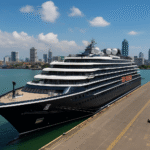














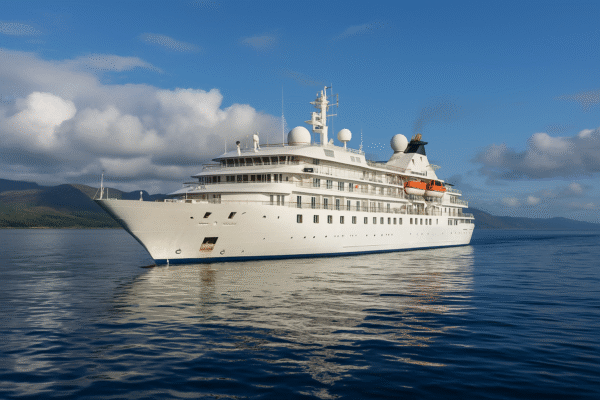
The expedition cruise sector has entered a moment of transition. The well-known vessel Caledonian Sky has changed ownership. The ship recently ended its service with APT Australia. A Greek company, Kalamata Shipping, has acquired the vessel. This sale marks a significant moment for boutique and expedition cruising. Industry observers now watch closely for the ship’s next chapter.
A Sale That Drew Global Attention
Reports confirmed the sale after months of speculation. APT Australia announced plans to sell the vessel in late 2024. The company completed the transaction after the summer cruise season. The Caledonian Sky entered service in 1991. It has spent more than three decades exploring remote destinations. The ship gained a strong reputation among expedition travelers. Its sale attracted attention across the cruise industry.
Greek Ownership Signals New Direction
Kalamata Shipping now controls the future of Caledonian Sky. The Greek company has not revealed operational plans. However, industry experts expect Mediterranean itineraries. Greek islands and lesser-known ports may feature prominently. The ship’s size allows access to destinations larger ships avoid. This advantage aligns well with Greece’s fragmented coastline and island geography. The acquisition suggests strong potential for niche travel growth.
A Vessel Built for Exploration
Caledonian Sky stands apart from conventional cruise ships. The vessel has a shallow draft and compact design. These features allow access to small harbors and secluded ports. Guests often experience destinations without crowds. This capability defines the ship’s appeal. Boutique cruise travelers value immersive and personalized journeys. Caledonian Sky delivers that experience consistently.
A Career Defined by Change and Adaptation
The vessel has served multiple operators since launch. Renaissance Cruises first introduced the ship to the market. The vessel later sailed under Star Cruises and Sun Cruises. Hebridean Island Cruises also operated the ship. Each operator adapted the vessel for different itineraries. Despite changes, the ship retained its expedition focus. APT Australia later used the vessel for boutique Mediterranean sailings.
Mediterranean and Beyond
Under APT, Caledonian Sky focused on European routes. Mediterranean and Adriatic itineraries dominated recent seasons. Cruises ranged from eight to fifteen nights. Guests explored coastal towns, historic ports, and cultural centers. The vessel also visited regions like Madeira and the Dalmatian Coast. These routes reinforced its reputation for immersive travel.
South Pacific Expeditions Shaped Its Legacy
Caledonian Sky also sailed far beyond Europe. The vessel once operated in the South Pacific. It completed expedition cruises in the Fiji archipelago. These voyages highlighted cultural encounters and natural landscapes. Guests explored islands rarely served by large ships. This chapter strengthened the vessel’s expedition identity. The ship became known for rare and adventurous routes.
Boutique Cruising Meets Modern Demand
Global travel trends favor experience-driven tourism. Travelers increasingly prefer smaller ships and meaningful connections. Caledonian Sky fits this demand well. Its scale supports curated shore excursions and expert-led programs. Guests engage deeply with local culture and history. The ship avoids mass tourism environments. This approach aligns with modern expedition cruising values.
Operational Strength Remains Clear
Despite its age, Caledonian Sky remains operationally relevant. Regular refits have maintained onboard comfort. Public spaces support relaxed and social atmospheres. Cabins cater to travelers seeking simplicity with comfort. The vessel balances function with intimacy. These qualities continue to attract loyal repeat guests.
What the Future May Hold
Kalamata Shipping now faces strategic choices. The company could retain expedition cruising traditions. Alternatively, it could reposition the vessel for regional luxury travel. Mediterranean boutique cruising offers strong commercial potential. Lesser-known islands and secondary ports suit the ship’s design. Industry analysts expect careful repositioning rather than radical change.
Importance for Greek Maritime Tourism
The acquisition supports Greece’s maritime tourism ambitions. Smaller cruise vessels support sustainable tourism goals. They reduce congestion and environmental pressure. Boutique ships encourage longer stays and higher spending. Greek ownership of Caledonian Sky fits national tourism strategies. The ship could support regional development across smaller ports.
A Vessel With Enduring Identity
Caledonian Sky holds a unique place in expedition cruising. Few vessels share its operational flexibility. The ship continues to symbolize discovery and access. Travelers associate it with remote beauty and cultural depth. Ownership changes have never erased its identity. That consistency adds long-term value.
Industry Impact and Market Confidence
The sale reflects confidence in the expedition cruise segment. Demand for small-ship cruising continues to grow. Operators seek vessels with proven performance. Caledonian Sky meets that requirement. Its history reassures investors and travelers alike. The transaction highlights ongoing evolution within cruise tourism.
A Journey Far From Over
The Caledonian Sky now prepares for another transformation. Greek ownership opens new possibilities. Routes, branding, and onboard concepts may evolve. Yet the ship’s core purpose remains clear. It exists to reach places others cannot. That mission has defined its past and will shape its future.
A New Chapter Begins
The sale of Caledonian Sky marks a turning point. It does not signal an ending. Instead, it introduces renewed opportunity. Boutique expedition cruising continues to expand worldwide. With its proven capabilities, Caledonian Sky remains ready. The next voyage promises discovery, once again.
For more travel news like this, keep reading Global Travel Wire