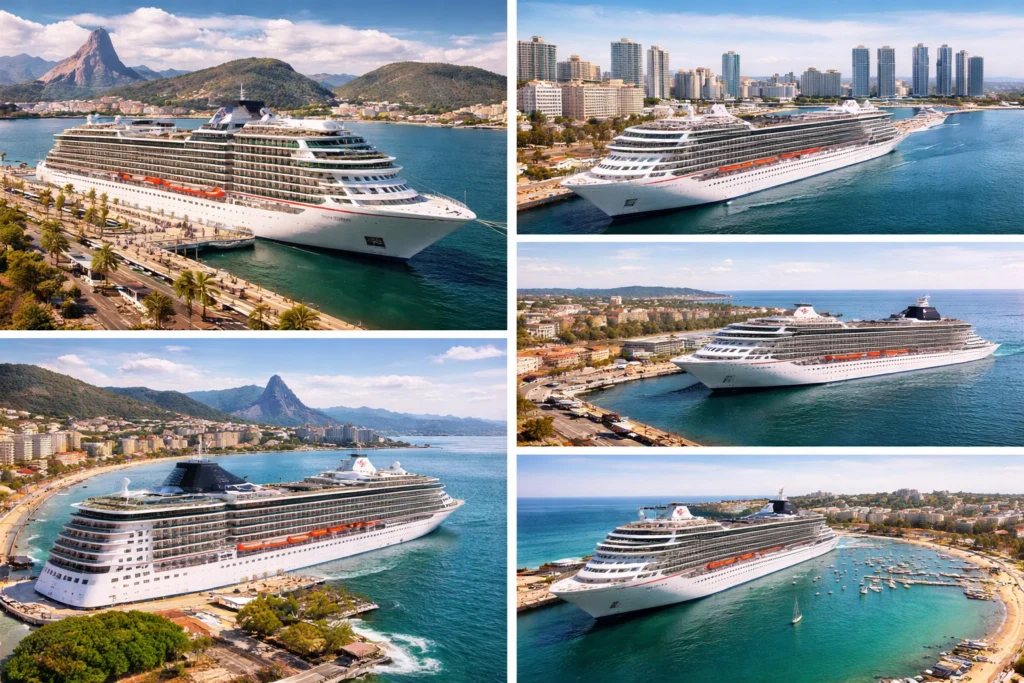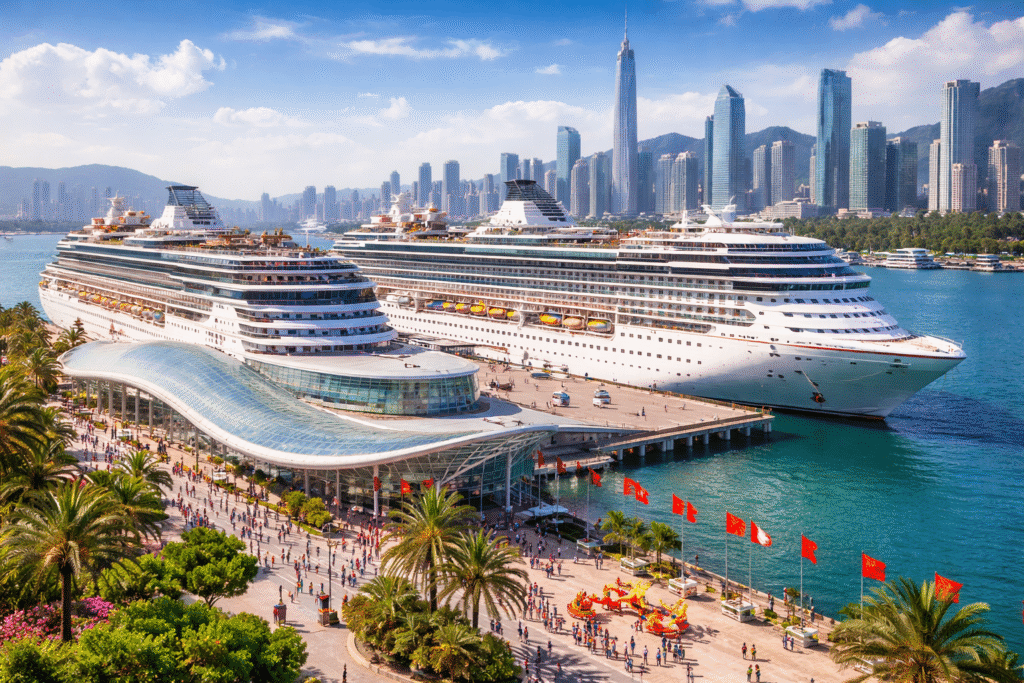
China is preparing for a major surge in cruise tourism in 2025. The country has launched an ambitious plan to upgrade infrastructure and expand cruise experiences. Authorities want to attract domestic travelers and strengthen tourism consumption. The strategy aligns with national goals to boost domestic travel and coastal economies.
Cruise tourism now plays a growing role in China’s travel industry. Government planners view cruises as high-value tourism products. These journeys combine transport, accommodation, dining, and entertainment in one experience.
Government Drives Cruise Industry Growth
Chinese authorities have placed cruise tourism high on the national tourism agenda. New policy measures focus on ports, services, and industry coordination. Officials aim to modernize facilities and raise service standards nationwide.
The government wants to create a smooth travel experience from arrival to departure. Clear regulations and efficient port operations support this goal. These efforts aim to build confidence among travelers and cruise operators.
Major Investment in Cruise Port Infrastructure
Port infrastructure upgrades form the backbone of China’s cruise strategy. Authorities plan major investments in cruise terminals and supporting facilities. These upgrades target higher capacity and faster passenger processing.
Modern terminals will feature improved customs, baggage handling, and passenger services. Ports will also expand docking capabilities to host larger cruise ships. These improvements aim to reduce congestion and delays.
Key cruise hubs such as Shanghai, Shenzhen, Tianjin, and Guangzhou will benefit most. These cities already serve as major homeports. Enhanced infrastructure will allow more frequent departures and larger passenger volumes.
Improving Passenger Experience at Every Stage
China’s plan focuses strongly on passenger experience. Authorities want cruise travel to feel simple and enjoyable. Port staff training and service standard upgrades support this aim.
Clear signage, digital services, and efficient boarding processes will improve convenience. Travelers can expect smoother embarkation and disembarkation. These improvements help attract first-time cruise passengers.
Launch of New Themed Cruise Itineraries
China is also expanding cruise products to appeal to diverse travelers. New themed itineraries will launch across different seasons. These cruises will target families, seniors, and young professionals.
Cultural-themed cruises will highlight Chinese heritage and traditions. Routes may include historic port cities and coastal landmarks. Onboard programs will reflect regional culture and cuisine.
Leisure-focused cruises will emphasize relaxation and entertainment. Family-friendly voyages will offer activities for children and parents. These offerings aim to increase cruise appeal across age groups.
Boosting Domestic Tourism Demand
Domestic travelers stand at the center of China’s cruise strategy. Authorities want more citizens to choose cruises for holidays. Rising disposable incomes support this shift.
Cruise travel offers convenience and variety. Travelers can visit multiple destinations without changing hotels. This format suits busy lifestyles and short vacation periods.
Repeat travel also plays a key role. New itineraries encourage travelers to return for different experiences. Seasonal routes and rotating themes help maintain interest.
Integrating Cruises With Local Destinations
China plans to link cruise tourism with broader destination development. Local governments will connect cruises with city tourism products. Passengers may extend stays before or after cruises.
Cruise ports will promote nearby attractions and cultural sites. Visitors can explore museums, shopping districts, and coastal landmarks. This integration spreads tourism spending across regions.
Coastal cities will benefit from higher visitor numbers. Hotels, restaurants, and retailers will see increased demand. The approach supports balanced regional development.
Strengthening Industry Governance and Coordination
Effective governance underpins China’s cruise ambitions. Authorities are improving coordination between tourism agencies, ports, and cruise companies. Clear responsibilities ensure efficient operations.
Unified standards will guide safety, service quality, and environmental protection. Authorities want steady growth without compromising sustainability. Industry cooperation supports long-term success.
Better governance also supports brand building. China aims to present a consistent cruise tourism image nationwide. This clarity builds trust among travelers.
Economic Benefits of Cruise Tourism Expansion
Cruise tourism generates strong economic returns. Passengers spend on travel, shopping, dining, and entertainment. Local economies benefit before, during, and after cruises.
China’s growing middle class offers strong demand potential. Many travelers seek new and premium experiences. Cruises meet this demand with comfort and variety.
Authorities expect cruise tourism to stimulate employment. Port services, hospitality, and transport sectors will grow alongside demand.
Long-Term Vision for Coastal Tourism
China views cruise tourism as a long-term growth engine. Ongoing investment will continue beyond 2025. Authorities aim to build a resilient and competitive industry.
The country’s long coastline offers vast development opportunities. Modern ports and diverse routes will unlock this potential. Cruise tourism will complement other travel sectors.
China’s Cruise Future Takes Shape
China is laying strong foundations for cruise tourism leadership. Infrastructure upgrades and themed itineraries signal a clear direction. Domestic travelers stand at the heart of this strategy.
By 2025, China expects cruise travel to reach new heights. The sector will support tourism growth, regional development, and consumer spending. China’s cruise journey has only just begun.
For more travel news like this, keep reading Global Travel Wire