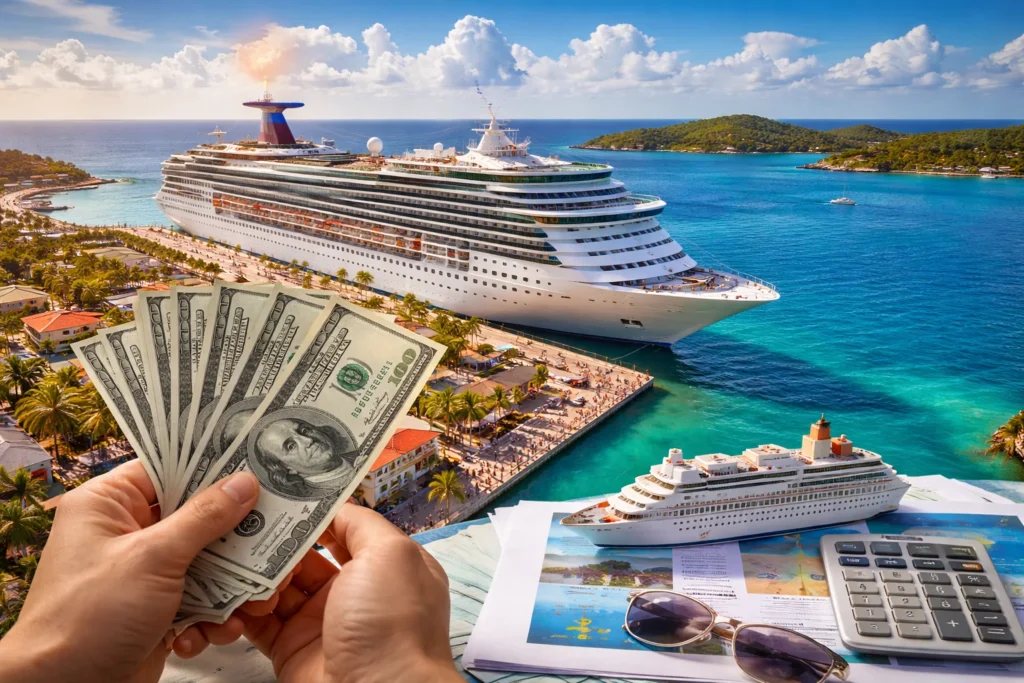
The global cruise industry is entering a transformative phase as concerns over a potential cruise fuel surcharge gain attention ahead of a record-breaking travel year in 2026. With millions of passengers expected to set sail, rising operational costs are prompting cruise operators to reassess pricing strategies, sparking discussions across the tourism sector.
According to international cruise industry projections, nearly 40 million travelers are expected to embark on cruise holidays in 2026. This surge reflects strong recovery and growth in global tourism, supported by increasing demand for leisure travel, expanded itineraries, and improved maritime infrastructure. However, alongside this growth, evolving cost structures are beginning to influence how cruise vacations are priced and delivered.
One of the key issues emerging this year is the introduction of additional onboard charges linked to fuel costs. These charges, expected to range between moderate daily amounts per guest, may apply across various itineraries. While such pricing mechanisms are not new in the industry, their reappearance has raised awareness among travelers and industry stakeholders.
Tourism authorities and maritime regulators have long acknowledged that fuel pricing plays a critical role in cruise operations. Fuel expenses represent a significant portion of overall operational costs, especially for long-haul itineraries and luxury voyages. As global energy markets fluctuate, cruise operators often include provisions within booking terms that allow for adjustments in response to rising costs.
Official guidelines and standard cruise contracts typically outline the possibility of fuel-related charges under specific conditions. These clauses are designed to provide operational flexibility while maintaining service standards. In many cases, such adjustments are activated only when fuel prices exceed predefined thresholds established by cruise operators.
The renewed focus on cruise fuel surcharge policies comes at a time when global tourism is experiencing renewed momentum. Government tourism boards and maritime authorities continue to support cruise tourism as a key driver of economic growth, particularly in coastal destinations. Cruise arrivals contribute significantly to local economies by boosting spending in hospitality, retail, and cultural sectors.
At the same time, the evolving pricing landscape highlights the importance of transparency and communication between cruise operators and passengers. Industry experts emphasize that travelers should carefully review booking terms to understand potential cost adjustments. Clear communication is seen as essential in maintaining consumer confidence, especially as demand continues to rise.
Cruise operators, however, are balancing multiple factors as they navigate this period. While temporary surcharges may be introduced to address short-term cost increases, long-term strategies may involve adjusting base ticket prices. This approach allows companies to integrate operational costs more seamlessly into overall pricing structures, reducing the need for additional fees in the future.
Tourism ministries and regulatory bodies are also monitoring pricing trends to ensure fair practices across the industry. Consumer protection guidelines in many regions require that pricing policies remain transparent and that passengers are informed of any potential changes before departure. These measures aim to safeguard traveler interests while supporting industry sustainability.
Despite concerns, the outlook for cruise tourism remains highly positive. The sector continues to expand with new ships, innovative itineraries, and enhanced onboard experiences. Destinations across the Mediterranean, Caribbean, and Asia are preparing for increased arrivals, supported by investments in port infrastructure and tourism services.
The introduction of potential surcharges has also sparked broader conversations about sustainability in the cruise industry. As fuel costs rise, there is growing interest in alternative energy solutions and more efficient ship designs. Many cruise operators are investing in cleaner technologies, including liquefied natural gas-powered vessels and energy-efficient systems, aligning with global environmental goals.
For travelers, the evolving pricing environment underscores the importance of planning and awareness. Booking early, understanding contract terms, and staying informed about industry developments can help passengers make confident travel decisions. Tourism boards continue to encourage responsible travel while promoting destinations that offer value and quality experiences.
Looking ahead, the cruise industry is expected to adapt to changing economic conditions while maintaining its appeal as a preferred travel option. The combination of strong demand, strategic planning, and ongoing innovation is likely to sustain growth, even as pricing models evolve.
The rise of cruise fuel surcharge discussions marks a significant moment for global tourism. As the industry prepares for a busy 2026 season, both operators and travelers are navigating a new landscape shaped by economic realities and shifting expectations. With continued collaboration between stakeholders, the cruise sector is poised to deliver memorable travel experiences while adapting to the challenges of a dynamic global market.