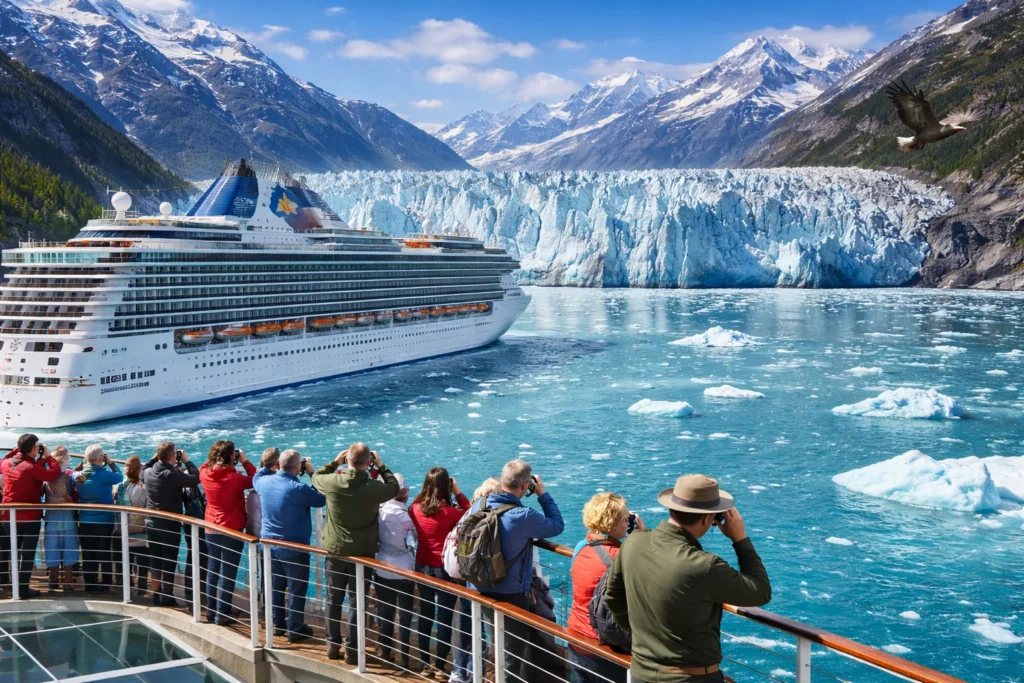
The global cruise tourism industry is facing renewed scrutiny as rising fuel costs begin to influence pricing strategies, raising concerns among travelers and industry stakeholders. With international tourism continuing to rebound strongly, cruise operators are now navigating the challenge of balancing operational costs with maintaining competitive pricing.
Recent developments indicate that some cruise lines have introduced fuel-related surcharges on select itineraries, particularly in Asia. These additional charges, applied on a per-day basis, reflect the growing impact of global energy price fluctuations on the tourism sector. Industry observers note that fuel is one of the largest operational expenses for cruise companies, making it a critical factor in pricing decisions.
According to official tourism and maritime data, the cruise industry is expected to welcome nearly 40 million passengers globally in 2026. This growth underscores the sector’s importance within the broader tourism economy. Governments and tourism boards have recognized cruise tourism as a key driver of economic activity, supporting port cities, local businesses, and employment.
However, the recent increase in fuel prices has introduced new uncertainties. Energy market volatility, influenced by geopolitical developments, has led to a significant rise in oil prices. This, in turn, has increased operational costs for cruise operators, prompting some to consider additional charges to offset expenses.
Tourism authorities have emphasized that pricing transparency is essential in maintaining traveler confidence. While some cruise operators have implemented surcharges, others have stated that they do not anticipate immediate changes to ticket prices. This mixed response reflects the complexity of the current situation and the need for careful management of customer expectations.
Industry contracts often include provisions that allow cruise lines to introduce fuel surcharges under specific conditions. These clauses are designed to provide flexibility in managing unforeseen cost increases. However, the possibility of additional charges after bookings have been confirmed has raised concerns among travelers.
Consumer sentiment plays a crucial role in shaping tourism trends. Travelers are increasingly attentive to pricing structures and value for money. Unexpected costs can influence booking decisions and overall satisfaction. Tourism boards and industry bodies are therefore encouraging clear communication and fair pricing practices to ensure a positive travel experience.
The potential impact of fuel surcharges extends beyond individual travelers. It also affects the broader tourism ecosystem, including travel agencies, hospitality providers, and destination economies. Cruise tourism contributes significantly to local economies through passenger spending on excursions, dining, and shopping. Any changes in pricing or demand can have ripple effects across these sectors.
Despite these challenges, the outlook for cruise tourism remains positive. Official tourism statistics indicate strong demand for cruise travel, driven by the appeal of all-inclusive experiences and the convenience of visiting multiple destinations in a single trip. Cruise operators are continuing to invest in new cruise, маршруты, and onboard amenities to attract a diverse range of travelers.
Innovation is also playing a key role in addressing cost challenges. Cruise lines are exploring fuel-efficient technologies, alternative energy sources, and operational efficiencies to reduce expenses and environmental impact. Government initiatives and international regulations are supporting these efforts, promoting sustainability within the maritime sector.
Tourism authorities have highlighted the importance of resilience in the face of economic and geopolitical uncertainties. The ability of the cruise industry to adapt to changing conditions will be critical in sustaining growth. This includes not only managing costs but also enhancing the overall travel experience to maintain competitiveness.
For travelers, the current situation underscores the importance of understanding booking terms and conditions. Being aware of potential surcharges and pricing policies can help travelers make informed decisions and plan their journey more effectively. Travel advisors and industry professionals are also playing a key role in providing guidance and support.
The introduction of fuel surcharges, if expanded, could influence travel patterns. Some travelers may opt for shorter itineraries or alternative travel options to manage costs. Others may continue to prioritize cruise vacations due to their perceived value and convenience. Tourism boards are monitoring these trends closely to assess their impact on overall tourism demand.
Looking ahead, the cruise industry is expected to continue evolving in response to global challenges. While fuel costs remain a concern, the sector’s strong foundation and ongoing innovation provide a basis for continued growth. Governments, industry stakeholders, and tourism organizations are working collaboratively to ensure that cruise tourism remains a vital and sustainable component of the global travel landscape.
Ultimately, the issue of cruise fuel surcharge highlights the interconnected nature of tourism and global economic factors. As the industry adapts to rising costs, the focus will remain on delivering value, maintaining transparency, and ensuring that travelers can continue to enjoy memorable and enriching experiences at sea.
For more travel news like this, keep reading Global Travel Wire