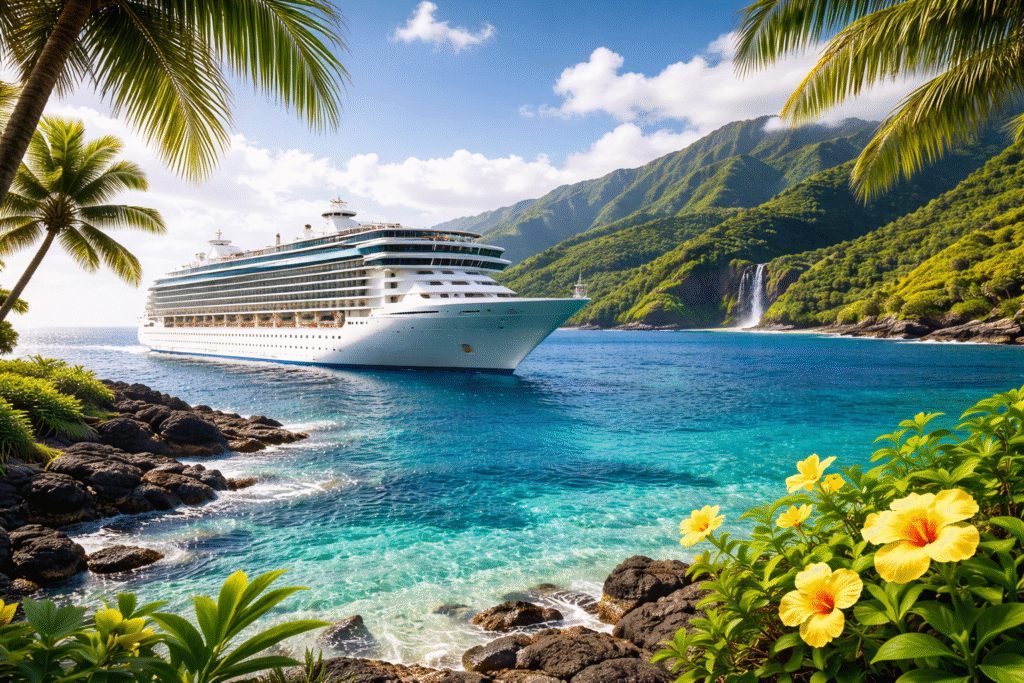
Hawaii reached a historic moment in tourism and climate policy after a federal court upheld its climate tax on cruise passengers. The decision allows the state to move forward with a bold funding model aimed at environmental protection. Officials expect the policy to reshape how cruise tourism supports climate resilience.
The ruling came from a federal judge in Honolulu, who rejected legal efforts to block the tax. The decision clears the way for implementation in early 2026. Hawaii now stands as the first U.S. state to apply a climate-focused tax directly to cruise travelers.
State leaders describe the ruling as essential for long-term environmental survival. They argue that tourism must help fund solutions to climate risks affecting the islands.
Why Hawaii Introduced the Cruise Climate Tax
Hawaii faces rising sea levels, stronger storms, coastal erosion, and wildfire threats. These challenges place pressure on infrastructure and natural ecosystems. Tourism depends heavily on beaches, reefs, and stable coastal communities.
Lawmakers designed the climate tax to secure steady funding for adaptation projects. The policy aims to protect shorelines, restore ecosystems, and reduce wildfire risks. Officials estimate annual revenue could reach nearly $100 million.
The state believes visitors should help protect the environment they enjoy. Cruise tourism, in particular, brings large volumes of passengers who use public resources during port stays.
How the New Tax Structure Works
The law spreads costs across several tourism sectors. Hotels and vacation rentals face modest increases under the same legislation. Cruise passengers face a separate and more debated charge.
The state applies an 11 percent tax to gross cruise fares. The tax reflects the number of days a ship spends in Hawaiian ports. Short port calls result in lower charges, while longer stays increase costs.
County governments may also add a local surcharge of up to 3 percent. In some cases, total charges could reach 14 percent. State officials stress that all revenue must support environmental programs.
Funds will support shoreline stabilization, watershed protection, wildfire prevention, and climate-ready infrastructure. The law restricts use of funds to environmental and resilience projects.
Cruise Industry Pushback Intensifies
Cruise industry groups strongly opposed the measure from the start. Industry leaders warned about higher travel costs and reduced demand. Several local businesses joined the legal challenge, citing reliance on cruise tourism.
Opponents argued that the tax violated constitutional protections governing maritime commerce. They claimed states cannot charge vessels for port access. Industry representatives also warned of job losses and reduced visitor spending.
Cruise groups estimate that cruise tourism generates nearly one billion dollars annually in Hawaii. They argue that new taxes could disrupt established travel patterns. Industry leaders insist on collaborative solutions instead of new fees.
Federal Government Enters the Dispute
The legal case gained national attention after federal attorneys intervened. The federal government argued that the tax conflicted with maritime law. Officials also claimed the policy unfairly targeted interstate commerce.
Federal lawyers characterized the tax as an overreach by one state. They warned that similar measures could disrupt national shipping and cruise networks.
Despite federal involvement, Hawaii defended its authority. State leaders argued that the tax applied fairly to visitors and supported public safety. They emphasized climate risks as an immediate threat to residents and visitors.
Judge’s Decision Supports State Authority
The judge rejected arguments seeking an immediate halt. The ruling allows Hawaii to continue preparations for 2026. The court found that plaintiffs failed to show irreparable harm.
The decision emphasized the state’s interest in protecting natural resources. The judge recognized climate threats as real and urgent. The ruling did not end the legal battle, but it marked a major victory for Hawaii.
Plaintiffs plan to pursue an appeal. Federal officials requested a short delay to review next steps. For now, the ruling remains in effect.
National Implications for Cruise Tourism
Other coastal states closely watch Hawaii’s approach. Many face similar climate risks tied to tourism growth. The ruling could encourage new visitor-funded climate programs nationwide.
If appeals fail, states may gain broader authority to charge cruise travelers. Such policies could reshape cruise pricing and itinerary planning. Cruise lines may adjust schedules to manage costs.
Tourism analysts note that climate resilience increasingly affects destination competitiveness. Travelers now value sustainability and environmental protection. Policies that fund resilience may support long-term tourism growth.
Balancing Economic Growth and Environmental Survival
Hawaii’s leaders argue that tourism cannot thrive without environmental protection. Beaches, reefs, and forests form the foundation of the visitor economy. Climate damage threatens these assets directly.
Supporters say the tax reflects responsible tourism management. They argue that large-scale tourism must account for environmental impact. Cruise passengers, in particular, represent concentrated visitation.
Critics continue to warn about economic effects. They urge caution and ongoing dialogue. The debate highlights a growing global challenge for tourism destinations.
What Comes Next for Hawaii and Cruise Travelers
Hawaii plans to finalize administrative rules before 2026. Agencies will outline collection methods and project oversight. Transparency and accountability remain key priorities.
Cruise travelers may see higher fares for Hawaiian itineraries. However, state leaders believe visitors will accept modest increases. They emphasize visible environmental benefits as justification.
As climate risks intensify, Hawaii’s approach may redefine tourism funding. The court ruling signals a shift in how destinations protect themselves. Cruise tourism now stands at the center of a national climate policy conversation.
For more travel news like this, keep reading Global Travel Wire