Iceland has launched a new cruise passenger tax that is reshaping its tourism landscape. The policy, enforced in January 2025, charges every cruise visitor 2,500 ISK per day, or about $18. Officials introduced the fee to strengthen tourism infrastructure and support environmental management.
Yet, instead of boosting funds, the tax has triggered a sharp decline in ship visits and bookings. Cruise lines have begun removing Iceland from their itineraries, citing higher costs and tighter margins.
Data from Cruise Iceland shows steep declines across major and rural ports. Some coastal communities expect cruise arrivals to fall by more than 50 percent by 2027.
Cruise Industry Cuts Back Itineraries
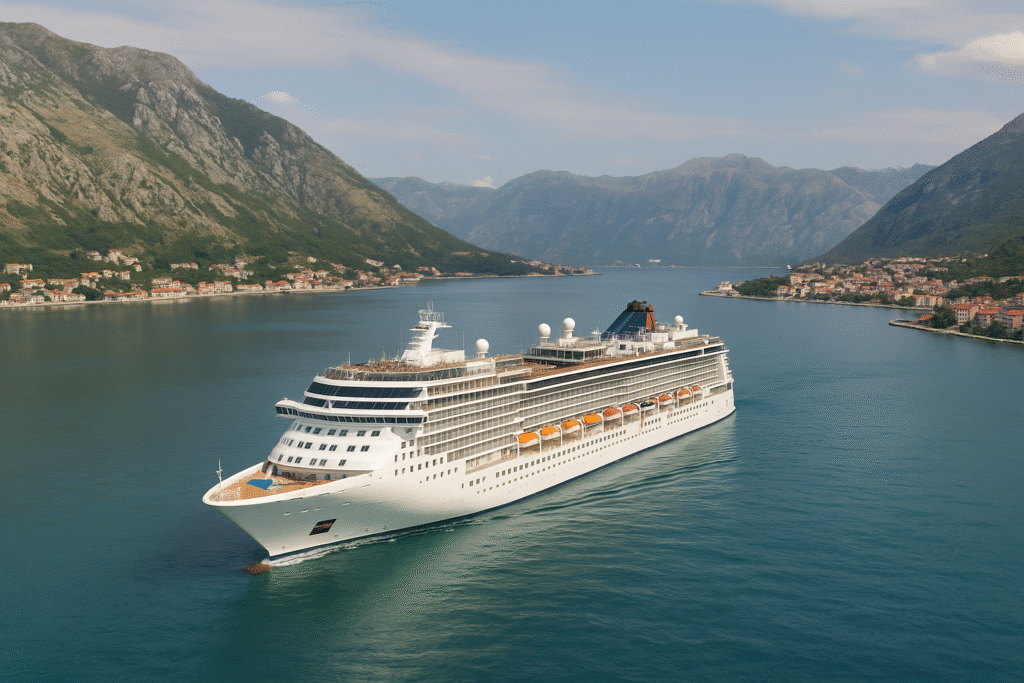
Major cruise operators have responded swiftly to Iceland’s new policy. Several large lines, including those running Norwegian Prima-class vessels, have already reduced visits or altered routes.
These adjustments affect both Iceland’s image and its regional competitiveness. Nearby destinations such as Norway, Greenland, and the Faroe Islands maintain lower port and environmental fees. Cruise companies find these routes more attractive when planning seasonal voyages.
The change comes at a sensitive moment for global travel. Cruise tourism has only recently recovered from pandemic-era disruptions, making cost increases even harder to absorb.
Economic Struggles for Rural Ports
Iceland’s smaller ports now face the heaviest losses. Communities along the northern and eastern coasts rely on seasonal cruise traffic to keep local economies alive. When ships stop visiting, local guides, restaurants, and shops lose their main income.
Tour operators have reported fewer group bookings. Guesthouses and souvenir vendors see falling demand. Many residents in these areas depend on summer tourism to sustain them through the year.
According to Cruise Iceland’s managing director, Sigurður Jökull Ólafsson, the trend highlights a growing divide between Reykjavik and rural Iceland. The capital continues to attract visitors by air, but smaller ports now risk isolation.
Data Shows a Sharp Drop in Bookings
Reports shared with the Parliamentary Committee on Economic Affairs and Trade reveal a worrying pattern. Cruise ship reservations through 2027 have dropped by more than half since the tax took effect.
The reduction affects more than tourism revenue alone. Ports lose docking fees, suppliers lose shipping contracts, and regional transport services decline. These losses ripple through Iceland’s economy, cutting into jobs and regional development funds.
Before the new policy, Iceland had become a leading cruise stop between North America and Europe. Now, the country risks losing that strategic position.
Industry Warnings Overlooked
Tourism and cruise groups had warned about the consequences long before the tax began. In 2024, associations urged the government to reconsider the rate and compare it with regional standards.
MSC Cruises’ Port Operations Director, Francesco de Curtis, noted that even modest changes in port costs influence route planning. Cruise lines operate on tight schedules and budgets. Every added expense shifts the balance toward alternative destinations.
Despite these warnings, authorities pushed ahead, expecting to generate over $10 million annually. Yet early data suggests the opposite outcome: lost revenue, declining visits, and fading competitiveness.
Comparing Costs Across Northern Europe
The new Icelandic charge stands among the highest in Northern Europe. Norway, Denmark, and Scotland apply smaller environmental or docking fees, often included in regular port tariffs.
Iceland’s location had once given it a clear advantage. The island served as a natural link between Europe and North America, making it a convenient mid-Atlantic stop. Now, many cruise lines prefer longer routes that bypass Iceland entirely.
This loss carries both economic and symbolic weight. The nation that once marketed its unique volcanic landscapes and fjords as must-see cruise attractions now risks fading from major itineraries.
Balancing Sustainability and Economics
Government officials defend the tax as a sustainability measure. They argue that collected funds will improve port facilities, waste management, and environmental monitoring. The idea aligns with Iceland’s long-standing focus on green tourism.
However, critics say the policy lacks balance. By prioritizing revenue generation, authorities underestimated its economic impact. Local leaders claim that the decision threatens livelihoods in towns that depend almost entirely on maritime visitors.
Sustainability in tourism must include both environmental care and community well-being. Without visitors, many rural areas lose the incentive and resources to maintain eco-friendly infrastructure.
Calls for Policy Revision
Industry experts now urge Iceland’s government to review the tax structure. They recommend lowering the daily rate or offering exemptions for smaller vessels and low-impact operators.
Cruise companies stress that Iceland still holds immense appeal. Its natural wonders, from geothermal pools to volcanic peaks, continue to draw global travelers. Adjusting the policy could restore confidence and encourage ships to return.
Some lawmakers have also proposed using part of the tax revenue to promote land-based tourism in affected towns. This approach could offset losses until cruise visits stabilize again.
Long-Term Outlook for Iceland’s Tourism
The next few years will test Iceland’s ability to maintain its tourism growth while supporting sustainability goals. Unless the government adapts, the country may face lasting damage to its cruise market share.
Rural communities remain hopeful that revised policies or new incentives will bring ships back. Collaboration between government, ports, and private operators could spark recovery and maintain Iceland’s reputation as a world-class destination.
The cruise passenger tax was introduced with good intentions—strengthening infrastructure and preserving natural beauty. Yet its unintended consequences highlight a key lesson for global tourism: sustainable development must balance environmental goals with economic realities.
Iceland now stands at a crossroads. A well-timed policy revision could restore its place as a leading North Atlantic cruise hub and secure a more sustainable, inclusive future for its tourism industry.
For more travel news like this, keep reading Global Travel Wire