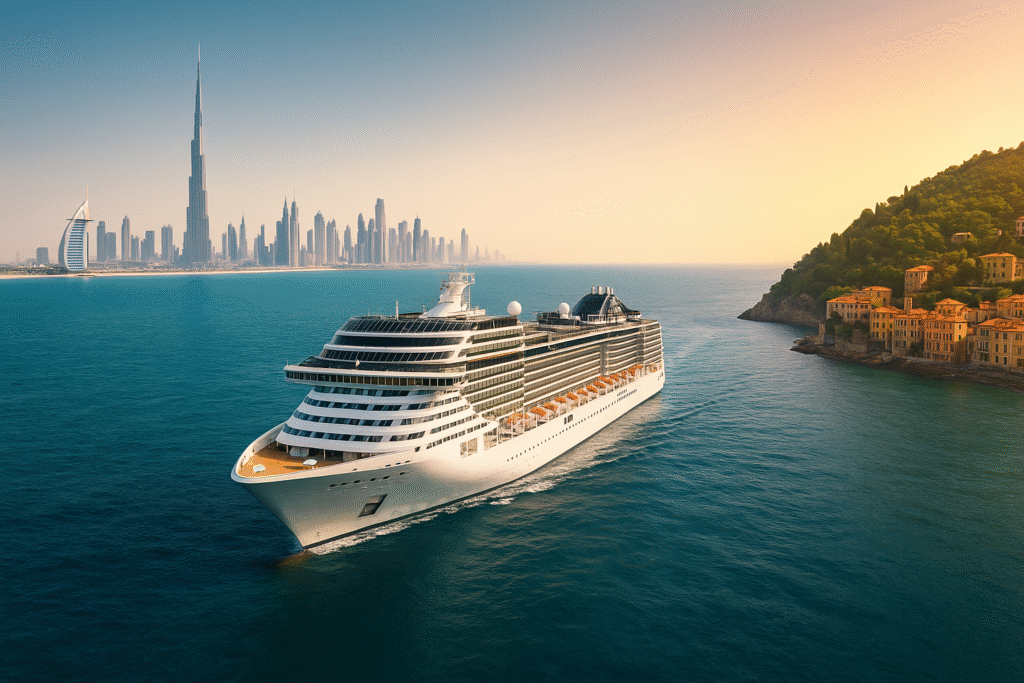
MSC Cruises has confirmed the cancellation of the 29-night repositioning voyage of MSC Euribia, originally planned for April 2026. The ship was scheduled to sail from Dubai to Kiel, linking the Middle East with major European ports. The decision comes after growing security risks in the Red Sea region, where safe passage can no longer be guaranteed. The move affects thousands of passengers and reshapes travel plans for tourism boards and local economies along the route.
The Cancelled Itinerary
The original voyage promised a journey through some of the most popular cruise destinations. The Euribia was set to call at ports in Dubai, Abu Dhabi, Doha, Muscat, Aqaba, and Safaga before transiting through the Suez Canal. From there, the itinerary would have entered the Mediterranean, visiting Civitavecchia, Barcelona, Marseille, Lisbon, and Southampton, before reaching its final stop in Kiel, Germany.
This route blended Middle Eastern charm with European cultural hubs, offering a long-haul adventure for cruise enthusiasts. Passengers expected to experience a mix of modern skylines, ancient history, and Mediterranean leisure in one extended voyage.
Middle East Tourism Impact
The cancellation directly affects Gulf ports, which have invested heavily in cruise tourism. Dubai, Abu Dhabi, and Doha had prepared for increased arrivals during spring. These cities expected hotels, shopping malls, and excursion operators to benefit from pre-cruise and post-cruise stays. Tourism boards promoted the voyage as a showcase of the region’s role as a rising cruise hub.
Without the Euribia sailing, these cities face a gap in projected tourism numbers. The absence of thousands of cruise passengers means fewer bookings for local guides, desert tours, and cultural attractions. For Gulf economies aiming to diversify beyond oil, the loss of cruise revenue creates additional challenges.
European Ports Lose Visitors
European tourism also feels the impact. Ports such as Civitavecchia, Barcelona, and Southampton rely on repositioning cruises to bring long-haul visitors. Many travelers extend their stays, exploring cities before or after embarkation. Restaurants, hotels, and transport services all depend on this added flow of international guests.
For Kiel, the cancellation removes a high-profile opportunity. The city had prepared to welcome Euribia passengers as part of its role as a northern European cruise gateway. The missed arrival reduces visibility for Kiel and cuts expected earnings for local businesses.
Safety and Geopolitical Concerns
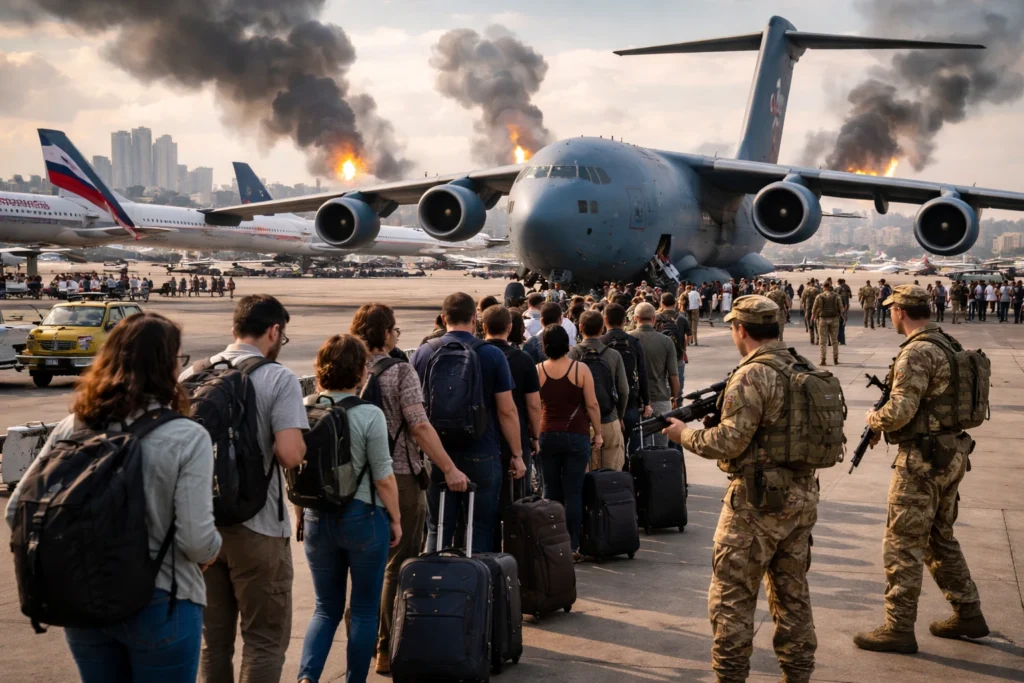
The decision rests on one clear factor: safety. The Red Sea and Suez Canal remain volatile due to geopolitical tensions and maritime risks. Cruise operators cannot take chances when it comes to passenger security. MSC stated that ensuring the safety of both guests and crew outweighed all other considerations.
This stance reflects wider industry caution. Other cruise and shipping companies have also adjusted routes or suspended passages through the region. Until the situation stabilizes, long-haul repositioning voyages linking the Gulf and Europe remain unlikely.
Alternatives for Passengers
MSC has provided multiple options for affected guests. Passengers can:
- Request full refunds if they prefer to cancel outright.
- Transfer bookings to another MSC Grand Voyage of similar length.
- Rebook on any other MSC itinerary available, with fare differences applied if relevant.
The company also urged travelers to review their flight, hotel, and insurance arrangements to minimize financial loss. While the alternatives offer flexibility, many passengers must now rethink entire travel plans built around the Euribia’s repositioning journey.
Long-Haul Tourism Losses
Repositioning cruises like the cancelled Euribia voyage represent more than transport. They are cultural journeys, linking continents and offering diverse experiences in a single itinerary. For many travelers, such voyages are once-in-a-lifetime adventures that combine leisure with discovery.
The cancellation removes one of 2026’s longest cruise offerings from the global market. It reduces the variety of extended itineraries available to passengers seeking both luxury and exploration. This gap highlights how global tourism can be disrupted by instability in strategic regions.
Response from the Tourism Industry
Tourism boards and service providers in both the Middle East and Europe must now adjust their forecasts. Restaurants, transport operators, and excursion companies prepared for extra demand will need to focus on other markets. The event underscores the fragile nature of cruise tourism, where external factors can ripple through entire economies.
Euribia’s Future Plans
Despite the setback, MSC Euribia will remain active. The ship will continue to operate Middle East itineraries during the winter 2025-26 season, bringing international travelers to Gulf destinations. These shorter cruises still support regional tourism and help Dubai and Doha position themselves as seasonal cruise hubs.
However, the direct Dubai-to-Kiel connection will stay suspended until operators can guarantee safe Red Sea passage. For now, long-haul repositioning voyages remain off the table.
Looking Ahead
The cancellation of Euribia’s 2026 repositioning cruise marks a significant moment for global cruise tourism. It highlights how geopolitical challenges can reshape travel routes and limit opportunities for cultural exchange.
Passengers lose the chance to embark on an ambitious journey from the Middle East to northern Europe. Local economies across two continents lose projected revenue. The industry as a whole faces renewed pressure to adapt.
Yet, the cruise sector has shown resilience before. With safety as the guiding principle, operators like MSC continue to adjust and innovate. While the Dubai-to-Kiel voyage will not sail in 2026, travelers can expect future opportunities once security improves. For now, MSC Euribia will focus on shorter routes, keeping the spirit of discovery alive even as the seas remain uncertain.
For more travel news like this, keep reading Global Travel Wire