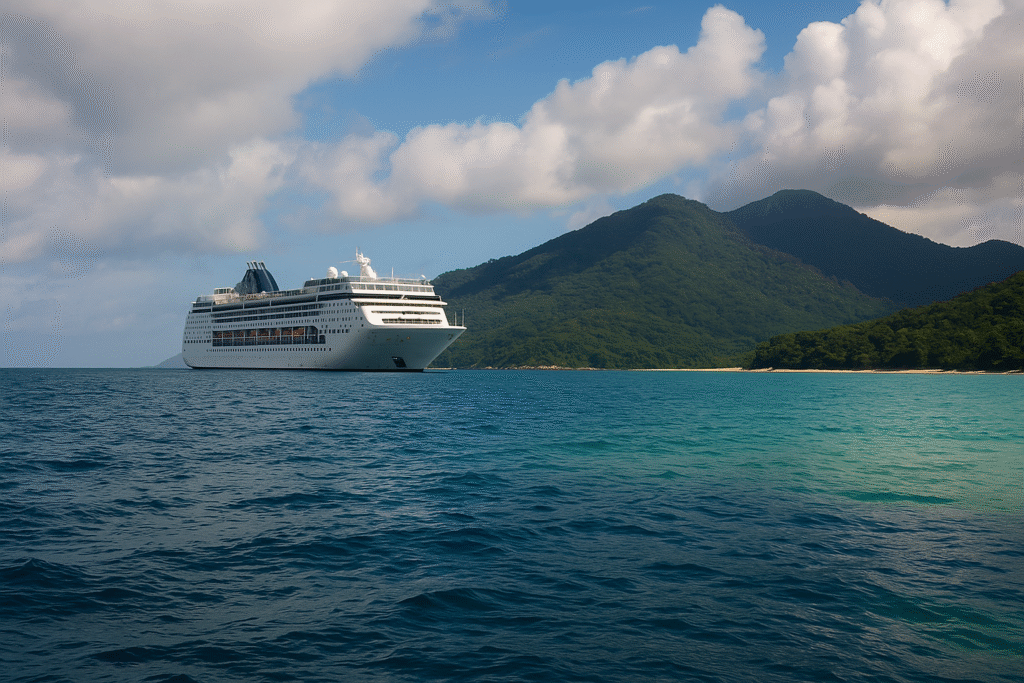
MSC Sinfonia adjusted its coastal itinerary after intense winds and rough seas affected eastern Brazil. The four-night cruise departed from Santos with scheduled stops in Búzios and Ilha Grande. Sudden weather changes made both ports unsafe. The captain rerouted the vessel to Ilhabela to protect passengers and crew.
Brazil’s eastern coastline often faces unpredictable marine conditions. Strong winds can rise quickly, especially during seasonal weather shifts. Cruise operators monitor forecasts constantly, yet rapid changes still disrupt schedules. Safety remains the top priority during such events. The MSC Sinfonia reroute reflects this operational reality.
Ilhabela Provides Natural Protection for Cruise Ships
Ilhabela sits inside the São Sebastião Channel. This channel offers calm waters and strong natural shelter. Hills and land formations block heavy waves and intense winds. These features make the island one of Brazil’s most secure maritime refuges.
The port regularly supports both planned visits and emergency arrivals. Harbor depth and anchoring conditions allow large cruise vessels to dock safely. Local port authorities coordinate quickly with ships during unexpected diversions. This efficiency reduces disruption for travelers and operators alike.
Economic Boost From an Unplanned Arrival
The unexpected MSC Sinfonia visit delivered immediate economic value to Ilhabela. Cruise passengers often explore ports during short stays. Visitors spend on food, transport, tours, and souvenirs. Even brief arrivals generate meaningful revenue for local businesses.
Restaurants near the harbor reported increased foot traffic. Tour operators adjusted schedules to accommodate new demand. Retail shops welcomed cruise guests throughout the day. These benefits show how diverted ships still support the tourism economy.
Local officials continue to promote cruise readiness. Emergency dockings now form part of broader tourism planning. Each arrival strengthens the island’s profile within Brazil cruise tourism.
Strong Cruise Outlook for the 2025–26 Season
Ilhabela expects a busy upcoming cruise season. Projections show more than 50 ship calls during 2025–26. Passenger numbers should exceed 217,000 travelers. Tourism revenue may reach nearly 14.8 million US dollars.
Authorities invested steadily in port improvements. Passenger reception areas now offer better flow and services. Transportation links improved between the port and main attractions. These upgrades support both scheduled visits and last-minute diversions.
Government tourism strategies emphasize sustainable growth. Officials aim to balance visitor numbers with environmental protection. Cruise tourism plays a key role in this approach.
Weather Volatility Shapes Coastal Cruise Planning
The MSC Sinfonia reroute highlights the volatility of coastal cruising. Short distances between ports do not reduce weather risks. Wind direction and sea swell can change within hours. Cruise lines must react fast to ensure safety.
Reliable alternative ports help minimize disruption. Ilhabela serves this role effectively along Brazil’s southeast coast. Operators value destinations that combine safety, infrastructure, and visitor appeal. Such ports allow itinerary changes without canceling entire journeys.
Passengers also benefit from flexibility. Diversions often introduce travelers to destinations they had not planned to visit. These experiences can enhance overall satisfaction.
Ilhabela Delivers Strong Visitor Experiences
Ilhabela offers diverse attractions for cruise passengers. The island features clear beaches, waterfalls, and preserved Atlantic Forest. Marine life thrives in nearby waters, attracting snorkelers and divers. Hiking trails appeal to nature lovers and photographers.
Guided excursions run efficiently even on short notice. Local operators specialize in half-day tours designed for cruise schedules. Visitors can explore historic villages, scenic viewpoints, and coastal roads.
Eco-tourism remains a major focus. Environmental rules protect forests and marine zones. This balance supports long-term tourism value while preserving natural assets.
Reliability Strengthens Ilhabela’s Cruise Reputation
Cruise lines prefer ports with proven reliability. Ilhabela continues to build that reputation. Its geography reduces weather exposure. Its infrastructure supports rapid coordination. Its tourism services handle sudden demand smoothly.
Each successful diversion reinforces trust. Cruise planners gain confidence when mapping future routes. This confidence encourages repeat visits and seasonal growth.
Local stakeholders benefit from predictable cruise activity. Businesses plan staffing and inventory more effectively. Municipal services prepare for passenger flows. The entire system gains resilience.
A Key Node in Brazil’s Maritime Tourism Network
The MSC Sinfonia incident illustrates the balance between nature and travel planning. Weather remains beyond human control. Preparation and adaptability define successful cruising. Ports like Ilhabela anchor this system.
As Brazil’s cruise tourism expands, safe harbors grow more important. Ilhabela combines protection, accessibility, and strong visitor appeal. These strengths turn disruptions into opportunities.
The reroute showed how smart planning protects safety while supporting tourism. Ilhabela once again proved its value within Brazil’s coastal cruise network.
For more travel news like this, keep reading Global Travel Wire