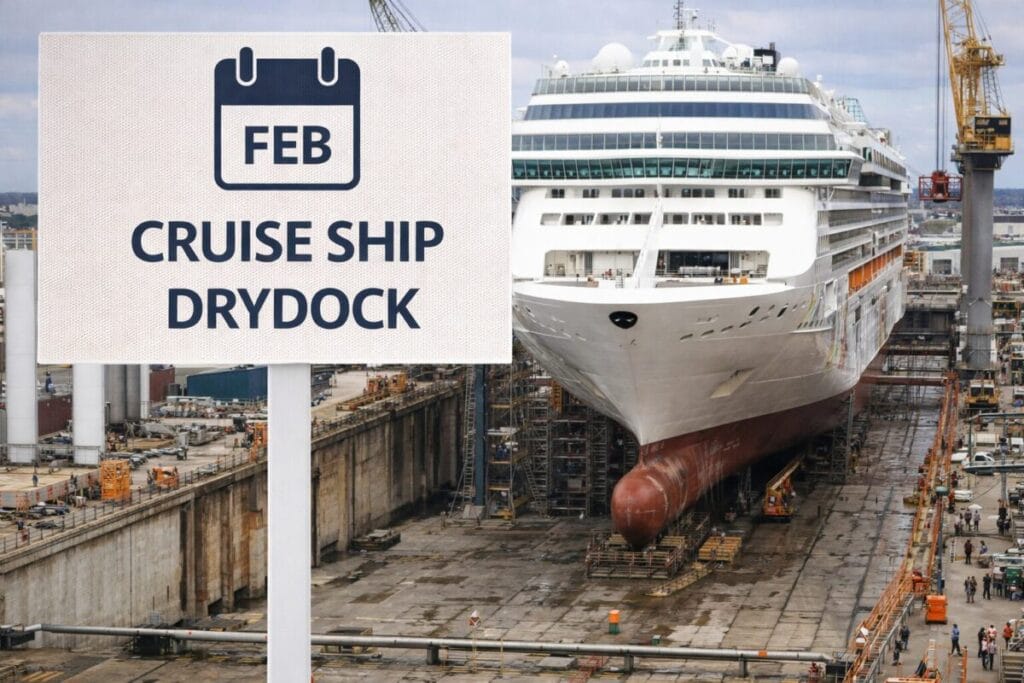
As the global cruise industry prepares for busy spring and summer travel seasons, February has become one of the most important months for scheduled ship maintenance known as drydocking. Cruise lines use this period to carry out extensive inspections, repairs, and upgrades designed to ensure vessels remain safe, efficient, and appealing to passengers.
Drydocking involves removing a ship from the water and placing it in a specially designed dock where engineers and technicians can access areas normally submerged beneath the sea. This process allows cruise operators to conduct critical structural maintenance while also refreshing onboard amenities, introducing new technologies, and enhancing overall performance.
With cruise demand steadily growing worldwide, these maintenance sessions play a key role in maintaining high safety standards and delivering memorable experiences for travelers.
Why Drydocking Is Essential for Cruise Operations
Drydocks are mandatory under maritime regulations and form part of a ship’s long-term lifecycle management. Ships must undergo periodic inspections to ensure compliance with international safety and environmental standards.
During drydock periods, crews perform thorough examinations of the vessel’s hull, propulsion systems, and mechanical components. Saltwater exposure can lead to corrosion and marine growth on underwater surfaces, which can affect fuel efficiency and performance if left unchecked. Removing barnacles and other buildup improves hydrodynamics, helping ships move more efficiently through water and reducing fuel consumption.
Beyond structural maintenance, drydocks also provide an opportunity to test safety systems such as fire suppression equipment, lifeboats, and navigation technology. These checks ensure that cruise ships remain prepared to meet strict maritime safety requirements while protecting both passengers and crew.
Major Upgrades Transform Guest Experience
While routine maintenance remains the primary goal, many cruise lines use drydock periods to introduce new features that enhance passenger comfort and entertainment. Renovations may include updated cabins, redesigned dining venues, expanded wellness facilities, or refreshed public spaces that align with modern travel trends.
Technology upgrades are also common, with ships receiving faster connectivity systems, digital guest services, and smart cabin features. Cruise operators recognize that travelers increasingly expect seamless digital experiences, making technological improvements an essential part of refurbishment plans.
Some vessels even undergo complete thematic transformations during drydock, introducing new branding concepts or onboard attractions designed to attract repeat customers and new audiences alike.
Sustainability Takes Center Stage During Ship Refits
Environmental sustainability has become a major focus within the cruise industry, and drydock periods provide an ideal opportunity to implement eco-friendly innovations. Many ships are being retrofitted with advanced emission-reduction systems, energy-efficient propulsion technologies, and improved waste management solutions.
Air purification systems, exhaust scrubbers, and alternative fuel capabilities are among the upgrades that help reduce environmental impact. Cruise lines are also investing in energy-saving lighting, water recycling systems, and advanced wastewater treatment technologies to meet evolving environmental regulations.
These changes not only help protect marine ecosystems but also reduce operational costs by improving fuel efficiency and lowering resource consumption.
Coordinated Planning Keeps Schedules on Track
Drydocking requires careful planning and coordination between cruise operators, shipyards, and technical teams. Because ships must be removed from service during maintenance, scheduling is often aligned with quieter travel periods to minimize disruption.
February is typically selected for many drydock projects because it falls between peak holiday seasons and the start of major summer itineraries. By completing upgrades during this time, cruise lines ensure ships are ready to return to service just as demand increases.
The process itself is highly time-sensitive, often involving hundreds or even thousands of workers operating around the clock. From structural inspections to interior refurbishments, multiple projects occur simultaneously to meet tight deadlines.
Impact on Passengers and Travel Plans
While drydocking improves long-term travel experiences, it can temporarily affect passengers who had planned sailings during maintenance periods. Cruise lines usually notify guests well in advance of schedule changes and offer alternative itineraries, rebooking options, or compensation where necessary.
For travelers, the upside is that ships returning from drydock often feature noticeable improvements. Guests boarding newly refurbished vessels may enjoy upgraded cabins, expanded dining choices, enhanced entertainment venues, and improved onboard technology.
Many frequent cruisers intentionally book voyages shortly after a ship completes drydock to experience the refreshed atmosphere and new features.
Industry Trends Driving Continuous Modernization
The cruise sector is undergoing rapid transformation as companies adapt to changing consumer expectations. Travelers increasingly value sustainability, digital innovation, and personalized experiences, encouraging cruise lines to invest in continuous modernization.
Drydocks serve as a practical platform for implementing these changes without disrupting operational schedules. By regularly upgrading ships, operators can extend vessel lifespans, maintain competitiveness, and meet evolving regulatory requirements.
Additionally, the push toward greener operations reflects broader tourism industry goals focused on reducing carbon emissions and promoting responsible travel practices.
Preparing for a New Season of Cruise Adventures
As cruise ships undergo essential drydock maintenance this February, the industry is laying the groundwork for another busy year of global travel. These behind-the-scenes efforts ensure that vessels remain safe, efficient, and equipped with modern features that enhance passenger satisfaction.
For travelers, drydock season represents more than just maintenance—it marks the beginning of a new chapter for each ship. Refreshed spaces, improved sustainability measures, and advanced technology all contribute to creating smoother and more enjoyable voyages.
Ultimately, drydocking demonstrates the cruise industry’s commitment to innovation and quality, ensuring that passengers can continue to explore the world’s oceans with confidence, comfort, and style.
For more travel news like this, keep reading Global Travel Wire