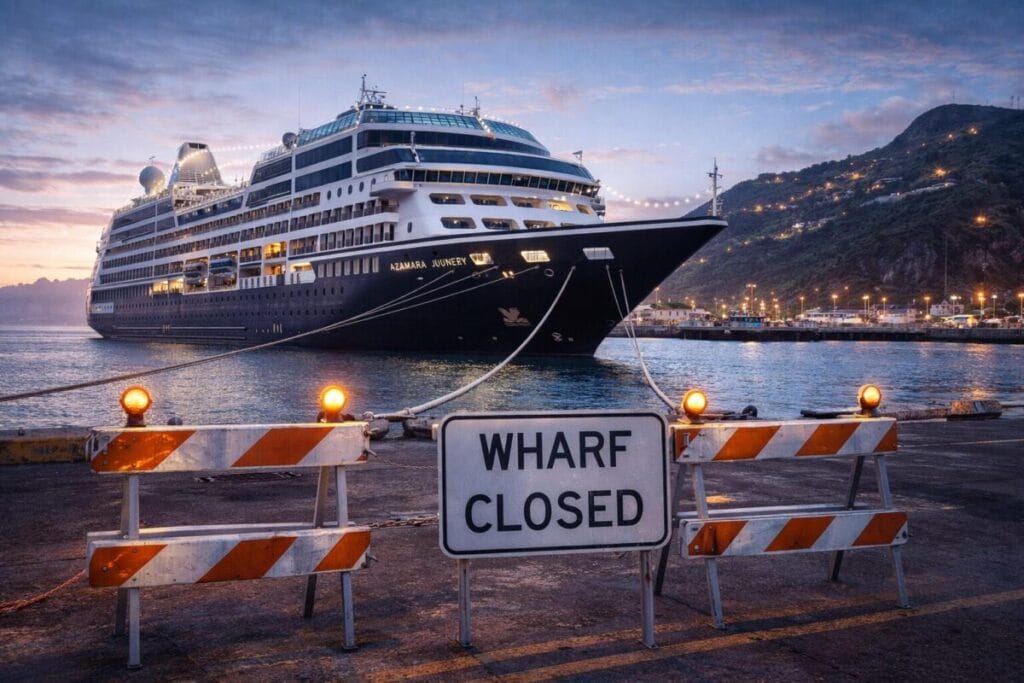
The arrival of the luxury cruise ship MV Azamara Journey at Jamestown Wharf marks another significant milestone in the region’s growing cruise tourism sector, reflecting both the opportunities and operational challenges that come with increasing visitor numbers. Authorities have announced that the wharf will be temporarily closed to public access from 06:00 on Wednesday, 11 February 2026, until the vessel departs, ensuring safety and efficient port operations during the docking period.
This scheduled closure highlights the rising importance of cruise tourism as a driver of economic growth and international visibility for emerging destinations. As more cruise operators include the region in their itineraries, local infrastructure and planning strategies are evolving to accommodate the growing scale and complexity of maritime tourism.
Managing Port Operations During Cruise Arrivals
The temporary closure of Jamestown Wharf is part of standard operational procedures when large cruise ships arrive. Only individuals with prior authorization from Port Control will be permitted access during the docking period, allowing port teams to coordinate passenger disembarkation, logistics, and safety measures efficiently.
Authorities have noted that operational decisions may also be influenced by weather and sea conditions, ensuring that safety remains the top priority. Restrictions on activities such as boat maintenance during the ship’s stay are intended to minimize disruptions and maintain clear operational zones around the vessel.
Such measures reflect the increasing complexity of managing cruise ship arrivals. Modern cruise vessels often carry hundreds or even thousands of passengers, requiring precise coordination between port authorities, tourism operators, transportation providers, and local businesses.
Cruise Tourism as a Catalyst for Economic Growth
The docking of ships like MV Azamara Journey brings substantial economic benefits to local communities. Cruise passengers typically spend time exploring nearby attractions, dining in local restaurants, shopping for souvenirs, and participating in guided excursions, injecting revenue into various sectors of the tourism economy.
Local tour operators, hospitality businesses, and transportation services benefit directly from the influx of visitors. Cruise arrivals can also encourage repeat travel, as passengers who experience a destination during a short port visit may return later for longer stays.
Beyond immediate spending, cruise tourism often stimulates long-term investment in infrastructure and tourism services. Ports may upgrade facilities, enhance visitor amenities, and develop new attractions to remain competitive within the global cruise industry.
Strengthening Regional Tourism Identity
The inclusion of Jamestown Wharf on luxury cruise itineraries highlights the region’s growing reputation as an appealing destination. Cruise lines carefully select ports based on factors such as accessibility, cultural appeal, safety standards, and the availability of shore excursions. As more ships choose to dock at the wharf, the destination gains visibility among international travelers.
Tourism authorities often view cruise arrivals as an opportunity to showcase local culture, history, and natural attractions. Shore excursions may include heritage tours, outdoor adventures, or culinary experiences that introduce visitors to the region’s unique character.
The presence of premium vessels such as MV Azamara Journey also signals the potential for high-value tourism, attracting travelers who seek immersive experiences and are willing to invest in quality excursions and services.
Balancing Growth with Operational Challenges
While cruise tourism offers significant economic opportunities, it also presents challenges related to infrastructure capacity, environmental sustainability, and community impact. Temporary closures like the one implemented at Jamestown Wharf demonstrate the need for careful planning to ensure that daily port activities and local maritime operations can coexist with tourism demands.
Authorities must balance the needs of cruise operators with those of local residents and businesses that rely on the port for regular activities. Effective communication with the public, including advance notice of closures, helps reduce inconvenience while maintaining operational efficiency.
In many regions, the growth of cruise tourism has prompted investments in sustainable practices, such as improved waste management systems, shore power facilities to reduce emissions, and visitor management strategies that prevent overcrowding at popular sites.
The Role of Cruise Tourism in Diversifying Local Economies
For many destinations, cruise tourism plays an important role in diversifying economic opportunities. The sector supports employment across multiple industries, including hospitality, retail, transportation, entertainment, and cultural tourism. Seasonal cruise arrivals can provide steady revenue streams, helping stabilize local economies that may otherwise rely on limited tourism markets.
The arrival of MV Azamara Journey highlights how luxury cruise tourism can complement broader tourism strategies. By attracting international visitors who may not have previously considered the destination, cruise ships act as ambassadors that introduce new audiences to the region.
As cruise tourism continues to expand globally, smaller ports and emerging destinations are increasingly positioning themselves as attractive alternatives to more crowded hubs. Jamestown Wharf’s growing role in welcoming cruise ships demonstrates its potential to become a key player within regional cruise networks.
Looking Ahead: Future Opportunities for Cruise Development
The temporary closure of the wharf underscores the evolving nature of maritime tourism infrastructure. As passenger numbers increase, authorities may consider enhancements such as expanded docking facilities, improved visitor services, and enhanced transportation connections to support continued growth.
Industry experts predict that cruise tourism will remain a strong contributor to global travel trends, driven by travelers seeking convenient ways to explore multiple destinations in a single journey. Destinations that invest in efficient port management and sustainable tourism practices are likely to attract more cruise lines and repeat visits.
A Milestone for Regional Tourism
The arrival of MV Azamara Journey at Jamestown Wharf represents more than just a routine cruise call—it symbolizes the region’s growing importance within the international cruise tourism landscape. While temporary closures and operational adjustments are necessary to manage large-scale arrivals, the long-term benefits for local businesses and tourism development are significant.
As the cruise industry continues to evolve, destinations like Jamestown Wharf are poised to play an increasingly important role in shaping the future of travel, offering visitors memorable experiences while contributing to sustainable economic growth.
For more travel news like this, keep reading Global Travel Wire