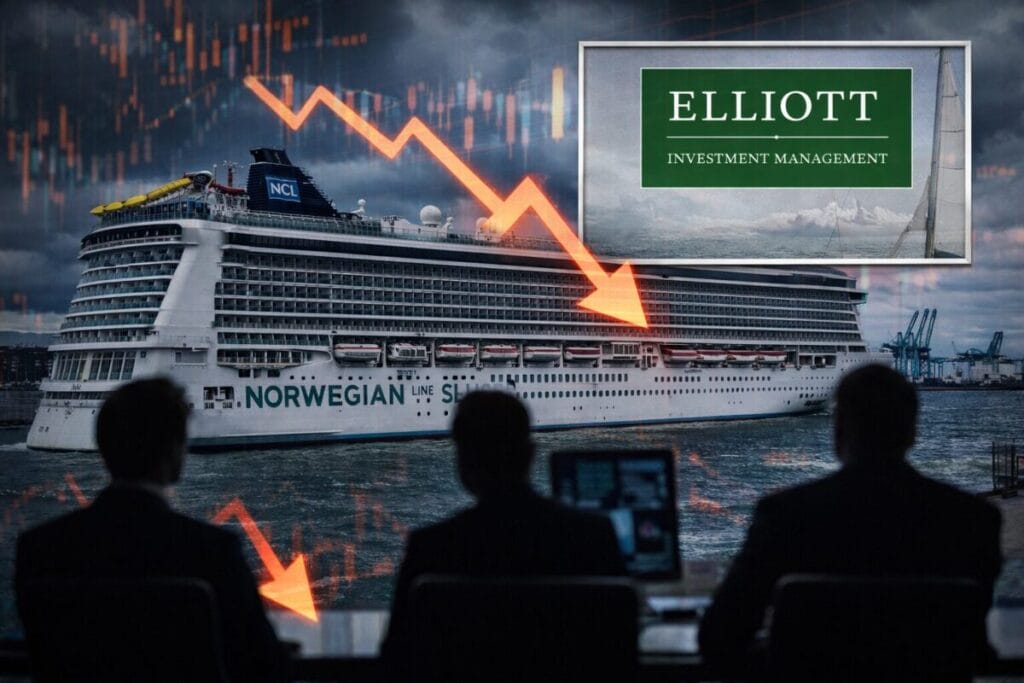
Norwegian Cruise Line Holdings is facing mounting pressure following a high-profile intervention by a major activist investor seeking sweeping changes to the company’s leadership, governance, and long-term strategy. The investor, which has built a significant economic stake in the company, has publicly called for a transformation of the board of directors and a renewed business strategy aimed at improving performance and strengthening competitiveness within the global cruise sector.
The proposal marks one of the most prominent investor-driven campaigns in the cruise industry in recent years. Analysts suggest that the outcome could influence not only the company’s financial trajectory but also its future direction in terms of ship operations, passenger experience, and positioning within the broader travel and tourism market.
Concerns Over Strategic Direction and Performance
According to investor statements, Norwegian Cruise Line Holdings has struggled to fully capitalize on the strong rebound in travel demand following pandemic-related disruptions. While cruise bookings and industry interest have grown significantly in recent years, critics argue that the company has not matched the performance gains seen among leading competitors.
Key concerns highlighted include perceived strategic missteps, slower execution of initiatives, and governance challenges that may have contributed to weaker financial results compared with rival cruise operators. The investor’s proposals emphasize the need for stronger operational leadership and more focused strategic planning to unlock growth potential.
The call for change reflects a wider trend in corporate governance where activist shareholders increasingly seek to influence company direction, particularly in industries undergoing rapid transformation.
Proposed Changes to Leadership and Governance
The activist investor has outlined several proposals aimed at reshaping Norwegian Cruise Line’s future. Central to the plan is a comprehensive refresh of the board of directors, including the addition of independent members with extensive experience in cruise operations and hospitality management.
The campaign also suggests reevaluating executive leadership roles to ensure that senior management possesses industry-specific expertise necessary to guide the company through evolving market conditions. Advocates of the proposal believe that new leadership could accelerate decision-making and improve operational efficiency.
Additionally, the investor is encouraging the development of a revised business plan that prioritizes revenue growth, improved margins, and enhanced brand positioning. This includes potential changes in marketing strategy, fleet deployment, and itinerary planning to better align with current traveler preferences.
Industry Context and Competitive Landscape
The cruise industry has entered a new phase characterized by intense competition and rapidly changing consumer expectations. Major cruise companies are investing heavily in innovation, including new ship designs, digital technologies, and sustainability initiatives aimed at reducing environmental impact.
Norwegian Cruise Line Holdings operates several brands targeting different segments of the market, from premium luxury voyages to more accessible leisure-focused cruises. However, competitors have recently gained attention for introducing groundbreaking onboard experiences and expanding their global reach.
Industry observers note that maintaining competitiveness requires continuous investment in both guest experience and operational excellence. Companies that successfully balance these elements are more likely to capture growing demand among travelers seeking diverse and immersive cruise experiences.
Implications for Travelers and Cruise Tourism
Although activist investor campaigns primarily focus on financial outcomes, they often have broader implications for travelers. Strategic changes within a cruise company can influence everything from ship amenities and itinerary choices to pricing strategies and customer service improvements.
If leadership changes result in increased investment in innovation and guest-focused initiatives, passengers may benefit from enhanced onboard offerings, upgraded entertainment programs, and more diverse travel routes. Improved operational efficiency could also translate into better value for travelers through competitive pricing.
However, transitions at the corporate level can create short-term uncertainty. Organizational restructuring or leadership changes may temporarily slow decision-making processes, potentially affecting service consistency during periods of adjustment.
Market Reaction and Industry Watchfulness
News of the activist investor’s involvement has attracted significant attention within financial markets and the travel sector alike. Observers view the campaign as a pivotal moment that could determine how Norwegian Cruise Line Holdings positions itself in the next stage of industry evolution.
Investor activism is not uncommon in travel and hospitality industries, particularly during periods of rapid change. Cruise companies face ongoing challenges such as fluctuating fuel costs, evolving sustainability requirements, and shifting traveler expectations, making strategic agility essential.
As a result, stakeholders across the tourism industry are closely monitoring how the company responds to the proposals and whether collaboration between management and shareholders can lead to constructive outcomes.
Balancing Financial Strategy with Guest Experience
One of the key challenges for cruise operators undergoing strategic transformation is maintaining a strong focus on guest experience while pursuing financial improvements. Travelers increasingly prioritize personalized experiences, flexible booking options, and environmentally responsible practices.
Industry experts suggest that successful transformation strategies will need to integrate financial discipline with customer-centric innovation. Investments in technology, sustainability initiatives, and onboard amenities are likely to remain essential as cruise lines compete for market share.
Looking Ahead: A Defining Moment for Norwegian Cruise Line
The activist investor’s push for change represents a defining moment for Norwegian Cruise Line Holdings. Whether the company embraces a comprehensive transformation or negotiates alternative solutions with shareholders, the outcome could shape its competitive position for years to come.
For travelers, the evolving situation highlights how corporate strategy influences the future of cruise tourism. Decisions made at the boardroom level often ripple outward, affecting itinerary design, service standards, and overall travel experiences.
As the cruise industry continues to expand and adapt to new market realities, Norwegian Cruise Line’s response to investor pressure will be watched closely by passengers, competitors, and industry analysts alike. The next phase of leadership and strategic direction could determine how effectively the company navigates the changing landscape of global cruise travel.
For more travel news like this, keep reading Global Travel Wire