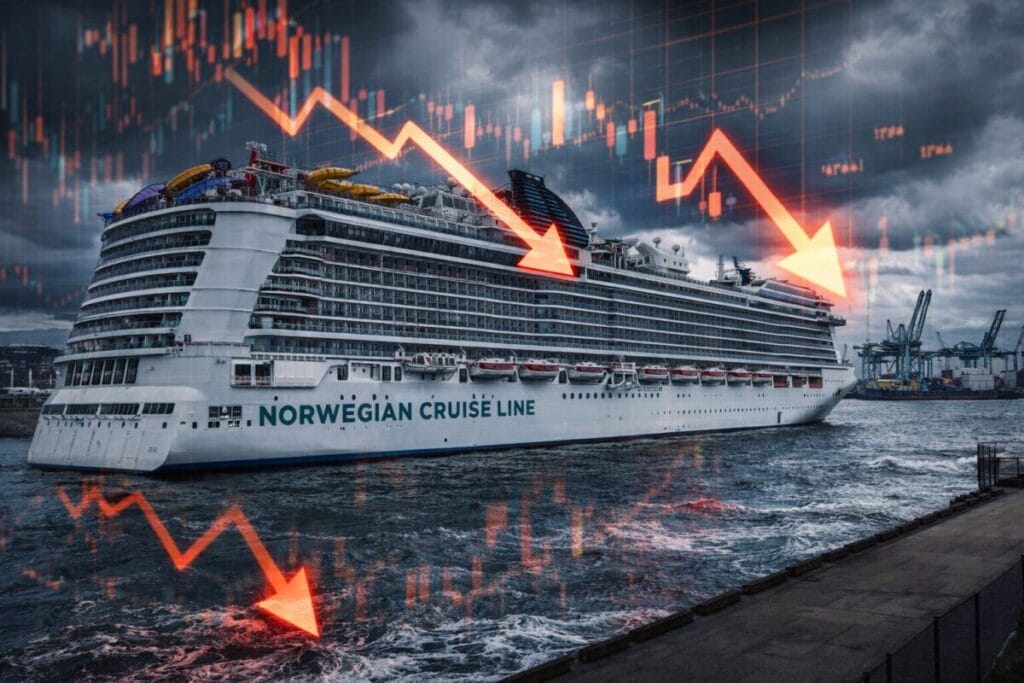
The global cruise industry continues its recovery after the pandemic, but recent financial concerns surrounding Norwegian Cruise Line Holdings have sparked debate among analysts and tourism experts. As travel demand returns and passenger numbers increase, the company faces mounting challenges related to operating costs, competition, and shifting consumer expectations.
Industry observers note that while Norwegian Cruise Line Holdings remains a major player in the cruise market, the company’s financial position is under close scrutiny. Analysts have highlighted several factors that could influence long-term performance, including rising fuel prices, increased labor expenses, and a high debt load accumulated during pandemic shutdowns.
These developments are prompting discussions about how cruise operators will adapt to an evolving travel landscape while maintaining profitability and customer satisfaction.
Rising Operational Costs Create Pressure
One of the primary challenges facing cruise operators is the growing cost of operations. Fuel expenses, which represent a significant portion of cruise line budgets, have fluctuated due to global supply pressures and geopolitical factors. For cruise companies operating large fleets, even small increases in fuel costs can significantly impact overall profitability.
In addition to fuel, labor costs have risen across the hospitality and travel industries as companies compete to recruit and retain skilled staff. Cruise ships require large teams to manage guest services, dining operations, entertainment, and technical maintenance, making staffing expenses a critical factor.
For travelers, these financial pressures could eventually translate into higher cruise fares or adjustments to onboard offerings. Industry analysts suggest that cruise lines may need to balance pricing strategies with maintaining the value and quality that passengers expect from a cruise vacation.
Post-Pandemic Recovery Brings New Challenges
The pandemic forced cruise operators worldwide to suspend operations for extended periods, leading many companies to take on additional debt to survive. Norwegian Cruise Line Holdings, like several competitors, relied on financing measures to maintain liquidity during that time.
As the industry rebounds, the challenge now lies in managing that debt while continuing to invest in new ships, technological upgrades, and guest experiences. High debt levels can limit financial flexibility, potentially slowing expansion plans or innovation efforts.
Despite these hurdles, cruise demand has shown resilience, with travelers returning to sea-based vacations seeking convenience, entertainment, and all-inclusive experiences. The ability to capture this renewed demand while controlling costs will likely play a major role in determining the company’s future performance.
Competitive Pressure From Industry Rivals
The cruise industry remains highly competitive, with major operators investing heavily in new technologies, sustainability initiatives, and expanded onboard experiences. Companies have introduced innovative ship designs, improved digital services, and environmentally focused features aimed at attracting modern travelers.
For Norwegian Cruise Line Holdings, keeping pace with these advancements requires continued investment at a time when financial pressures remain significant. Competitors are increasingly promoting eco-friendly travel options, expanded entertainment offerings, and upgraded accommodations to differentiate their products.
Industry analysts suggest that maintaining competitiveness will require strategic planning, including refining itineraries, enhancing guest experiences, and adopting sustainable technologies that align with evolving environmental standards.
Changing Traveler Expectations Influence Cruise Strategy
Consumer behavior has shifted noticeably in recent years, influenced by changing travel preferences and broader lifestyle trends. Younger generations are often drawn to immersive experiences, cultural authenticity, and sustainability-focused travel choices. While cruising continues to attract a diverse audience, cruise operators must adapt to meet these evolving expectations.
Travelers are increasingly interested in eco-conscious practices, including reduced emissions, waste reduction programs, and responsible tourism initiatives. Norwegian Cruise Line Holdings has taken steps toward sustainability, such as exploring alternative fuels and implementing environmental management systems, but continued innovation will be necessary to remain competitive.
Additionally, travelers are placing greater emphasis on flexibility, personalization, and digital convenience. Cruise lines that can integrate technology-driven solutions—such as app-based onboard services and tailored itineraries—may have an advantage in attracting new demographics.
Potential Impact on Travelers
While financial challenges primarily affect corporate strategy, they can also influence the passenger experience. Possible changes may include dynamic pricing models, adjustments to onboard amenities, or modifications to itineraries as cruise operators optimize operations.
However, industry experts emphasize that maintaining strong customer satisfaction remains essential. Cruise lines depend heavily on repeat customers and positive word-of-mouth, making service quality a top priority even during financially challenging periods.
Travelers considering cruise vacations may benefit from monitoring pricing trends and promotional offers, as companies often introduce incentives to stimulate bookings during transitional phases.
Future Outlook for Cruise Tourism
Despite current challenges, the cruise industry continues to show long-term growth potential. Global tourism demand is rebounding, and cruises remain attractive due to their convenience, variety of destinations, and inclusive nature.
For Norwegian Cruise Line Holdings, the path forward will likely involve balancing financial discipline with innovation. Strategic investments in sustainability, technology, and guest experience may help strengthen its position within a competitive market.
Industry analysts believe that the cruise sector’s recovery will depend on adapting to new realities, including fluctuating economic conditions and changing traveler priorities. Companies that successfully align their operations with these trends could emerge stronger in the years ahead.
Navigating Uncertain Waters
The financial concerns surrounding Norwegian Cruise Line Holdings highlight broader challenges facing the cruise industry as it moves into a new phase of recovery. Rising costs, competitive pressures, and evolving consumer expectations are reshaping how cruise operators approach growth and sustainability.
For travelers, these developments underscore the importance of staying informed about industry trends while recognizing that cruising continues to evolve. As the sector navigates economic uncertainty, innovation and adaptability will remain key factors shaping the future of cruise tourism.
For more travel news like this, keep reading Global Travel Wire