Cruise tourism across the Caribbean has faced a sudden disruption after a severe winter storm damaged infrastructure at Perfect Day at CocoCay, Royal Caribbean’s signature private island destination in the Bahamas. Known for its waterparks, pristine beaches, and exclusive cruise experiences, the island has been forced to operate at limited capacity, impacting thousands of travelers and altering itineraries during one of the busiest times of the year.
The storm brought unusually strong winds and heavy swells to the region, creating hazardous marine conditions that affected port operations. As a result, scheduled cruise ship visits to Perfect Day at CocoCay were canceled or significantly reduced, sending ripple effects across Caribbean cruise tourism.
Storm Damage Alters Operations
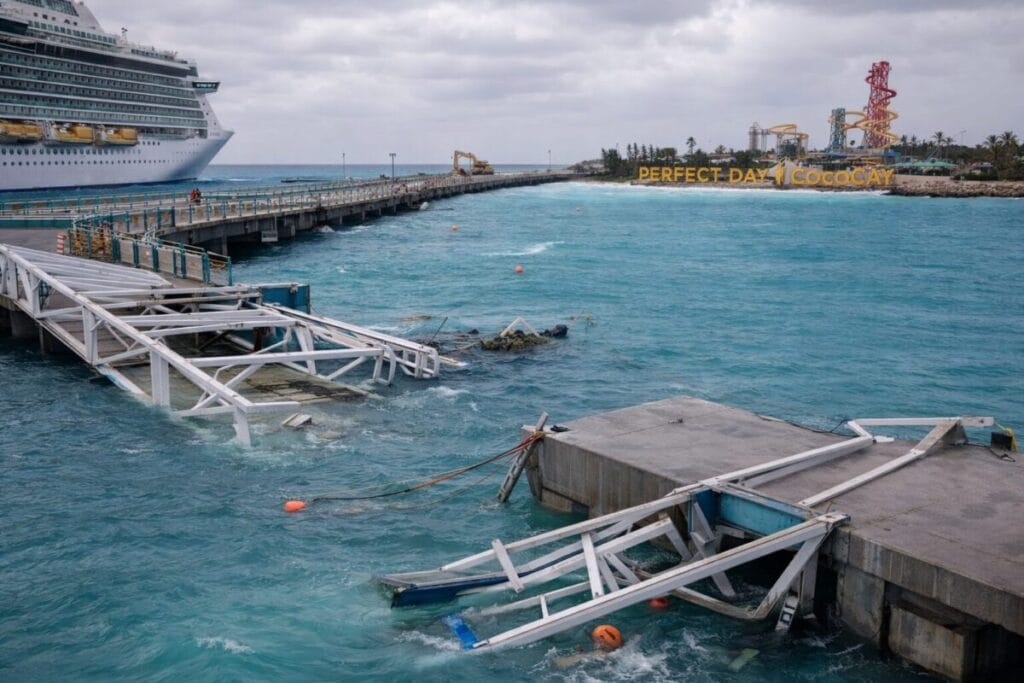
The winter storm caused structural damage to key sections of the island’s pier, particularly on the eastern docking area. Catwalks were torn away and debris was scattered into surrounding waters, making it unsafe for large cruise vessels to dock. With submerged hazards posing navigation risks, cruise operators immediately halted normal arrivals to ensure passenger safety.
Currently, only one ship per day can dock at the island’s western pier, a sharp reduction from normal operations that typically accommodate multiple vessels daily. Tender operations, often used as a backup, have been ruled out due to debris and unpredictable sea conditions.
This operational bottleneck has forced cruise lines to make last-minute itinerary changes, replacing CocoCay visits with alternative ports or additional sea days.
Reduced Access to Iconic Attractions
Perfect Day at CocoCay is a cornerstone of modern cruise tourism, offering attractions designed to appeal to families, couples, and adventure seekers alike. The island is home to Thrill Waterpark, featuring record-breaking waterslides, expansive wave pools, zip lines, and a helium balloon ride offering panoramic ocean views. It also includes Chill Island for relaxation and Hideaway Beach, an adults-only retreat.
With limited docking access, many passengers have been unable to experience these headline attractions. Shore excursions, cabana rentals, snorkeling zones, and beach clubs have all seen reduced participation, diminishing the island’s role as a highlight of Caribbean itineraries.
Sustainable tourism initiatives on the island, including managed reef snorkeling areas and protected beach ecosystems, have also been temporarily inaccessible due to safety protocols.
Cruise Line Adjustments and Guest Support
Royal Caribbean has moved quickly to notify affected guests, offering itinerary updates and alternative experiences. In many cases, cruises have substituted visits to Nassau or other Caribbean ports, while some sailings added enhanced onboard programming to compensate for the missed destination.
Onboard teams expanded entertainment schedules, dining options, and family activities to help maintain guest satisfaction. In some instances, passengers received onboard credits or complimentary experiences, reflecting the cruise industry’s focus on service recovery during disruptions.
Crew members and marine teams are actively working to clear debris and assess underwater conditions, prioritizing navigational safety before full operations resume.
Economic Impact on Bahamas Tourism
Perfect Day at CocoCay plays a significant role in Bahamas cruise tourism, welcoming millions of visitors annually. Each missed port call represents lost revenue for local suppliers, excursion operators, and service providers who rely on cruise passenger spending.
The storm-related cancellations come during peak winter cruise season, amplifying economic concerns. While the Bahamas benefits from a diverse range of cruise ports, the temporary reduction at one of its most visited destinations highlights the vulnerability of tourism infrastructure to extreme weather events.
Tourism planners are now placing increased emphasis on resilience strategies, including diversified port offerings and off-peak travel promotion, to mitigate similar impacts in the future.
Weather Patterns and Climate Considerations
Winter storms of this intensity are relatively rare in the Bahamas, but meteorological trends show that such events can generate powerful swells capable of damaging coastal infrastructure. Similar systems in past years have strained ports and forced temporary closures across the region.
The incident has renewed discussions around climate-adaptive design for cruise destinations, including reinforced piers, elevated structures, and storm-resistant materials. As cruise tourism continues to grow, long-term planning increasingly factors in climate variability and extreme weather preparedness.
Recovery and Repair Efforts
Repair crews have begun detailed inspections of the damaged pier sections, with debris removal underway both above and below the waterline. While no official timeline has been announced for full restoration, early assessments suggest a phased reopening approach.
Future reconstruction plans are expected to incorporate more weather-resilient engineering, aligning with broader sustainable tourism goals. Historically, cruise destinations in the Caribbean have demonstrated strong recovery capabilities, often rebounding quickly after storm-related disruptions.
Looking Ahead for Caribbean Cruise Tourism
Despite the temporary setback at Perfect Day at CocoCay, Caribbean cruise tourism remains resilient. Cruise lines continue to adapt itineraries, invest in infrastructure, and refine guest communication strategies to maintain confidence among travelers.
For passengers, flexibility remains key. Travelers are encouraged to stay informed about itinerary changes and embrace alternative destinations offered during sailings. Meanwhile, the Bahamas tourism sector continues to promote its many unaffected islands, beaches, and cultural experiences.
Perfect Day at CocoCay is expected to reclaim its status as a premier cruise destination once repairs are complete. The storm serves as a reminder of nature’s influence on travel, but also highlights the cruise industry’s ability to adapt, recover, and innovate in the face of challenges.
For more travel news like this, keep reading Global Travel Wire