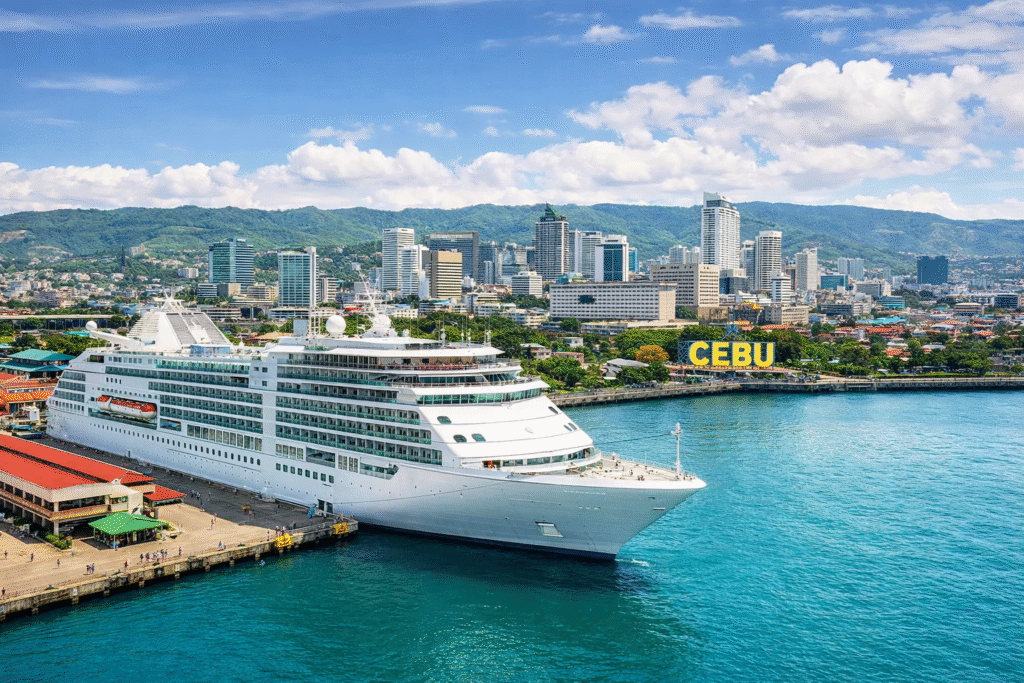
The Philippines is taking a decisive step toward strengthening its cruise tourism industry by positioning Cebu as a central hub for regional and international cruise routes. This strategic move reflects the national government’s broader ambition to elevate the country’s presence on the global cruise tourism map while ensuring that economic benefits are distributed more widely across local communities.
Tourism officials have highlighted Cebu’s long-overlooked potential, citing its strong air connectivity, modern hospitality infrastructure, and diverse attractions as major advantages. Despite being one of the country’s most established tourism destinations, Cebu had, until recently, remained largely absent from cruise itineraries. This is now changing as the government actively works to integrate the province into cruise tourism development plans.
Cebu’s Untapped Potential Comes into Focus
Cebu has long been recognized as a leading destination for leisure, business travel, and cultural tourism. With an international airport offering extensive regional and global connections, a mature hotel and resort sector, and a reputation for warm Filipino hospitality, industry observers have questioned why the province was not earlier included in cruise tourism programs.
Recent developments have brought renewed attention to Cebu’s strategic value. The arrival of a cruise vessel after several years marked a turning point, demonstrating the province’s readiness to welcome high-value cruise travelers. Many of these visitors are experienced global travelers, adding credibility to Cebu’s growing profile as a cruise destination.
A Strategic Shift in National Tourism Planning
The government has confirmed that Cebu will now play a central role in national cruise tourism strategies. This includes increasing cruise ship arrivals, improving port readiness, and strengthening connectivity between cruise terminals and inland destinations. The aim is to complement the country’s existing cruise gateways while expanding overall capacity.
Cruise tourism is seen as a natural extension of Cebu’s already robust tourism economy. The province recorded more than five million overnight visitors in 2024, reflecting strong demand across both domestic and international markets. By adding cruise tourism to this mix, authorities expect to further enhance visitor numbers, lengthen stays, and increase tourism spending.
Distributing Tourism Benefits Across the Province
One of the key objectives of developing Cebu as a cruise hub is to ensure that tourism growth reaches beyond traditional hotspots. Cruise calls offer an opportunity to introduce visitors to less-explored areas in northern and southern Cebu, supporting smaller communities and emerging destinations.
Excursions linked to cruise arrivals can generate income for local guides, transport providers, artisans, restaurants, and small enterprises. This approach aligns with inclusive tourism principles, helping communities that may not directly benefit from large-scale resort developments. By spreading visitor flows more evenly, Cebu can manage tourism growth while preserving cultural and natural assets.
Economic Impact and Job Creation
Cruise tourism is expected to deliver a strong economic boost to Cebu’s local economy. Each ship call creates demand across multiple sectors, including transportation, retail, food services, and tour operations. This multiplier effect supports job creation and entrepreneurship, particularly for micro and small businesses.
The expansion of cruise tourism also encourages infrastructure development. Improved ports, better road access, and enhanced visitor facilities not only benefit cruise passengers but also improve conditions for residents and other travelers. These investments are seen as critical to long-term economic resilience, especially as Cebu continues to recover from the impacts of natural disasters and the global pandemic.
Strengthening Cebu as an International Gateway
While Manila remains the country’s primary cruise gateway, Cebu is emerging as a strong complementary hub with distinct advantages. Its central location in the Visayas makes it an ideal jump-off point for itineraries linking multiple Philippine destinations and neighboring countries in Southeast Asia.
Ongoing improvements in coastal infrastructure, transport links, and visitor amenities are designed to make Cebu more attractive to international cruise lines. These upgrades support seamless passenger movement and enhance the overall visitor experience, which is a key consideration for cruise operators planning future itineraries.
Government Commitment to Sustainable Growth
The national government has emphasized that cruise tourism development will follow sustainable and responsible tourism principles. This includes ensuring safety, improving accessibility, and minimizing environmental impact while maximizing community benefits.
Part of this strategy involves simplifying entry processes for cruise passengers. The introduction of cruise visa waivers for foreign travelers has already improved the country’s competitiveness, making it easier for cruise lines to include Philippine ports in their schedules. This policy supports smoother operations and encourages repeat visits.
Authorities are also working closely with cruise stakeholders to align standards, improve port services, and develop shore experiences that reflect local culture and heritage. This collaborative approach aims to create meaningful experiences for visitors while protecting the integrity of destinations.
A Positive Outlook for Philippine Cruise Tourism
Looking ahead, the Philippines is forecasting a steady rise in cruise ship calls through 2026 and beyond. This growth reflects increasing confidence among international cruise operators in the country’s readiness, infrastructure, and destination appeal.
Cebu’s inclusion as a key hub strengthens this outlook. As more cruise lines add Cebu to their itineraries, the province is expected to gain greater international visibility, attract higher-value visitors, and reinforce its role as a gateway to the central Philippines.
Cebu’s Future as a Regional Cruise Hub
The emergence of Cebu as a cornerstone of the Philippines’ cruise tourism strategy marks an important milestone for both the province and the country. With strong government backing, strategic infrastructure investment, and a focus on sustainability, Cebu is well-positioned to become one of Southeast Asia’s leading cruise destinations.
As cruise tourism continues to evolve, Cebu’s blend of natural beauty, cultural richness, and modern amenities offers a compelling proposition for travelers and cruise operators alike. This transformation not only diversifies the Philippine tourism portfolio but also ensures that growth is inclusive, resilient, and aligned with long-term national development goals.
For more travel news like this, keep reading Global Travel Wire