
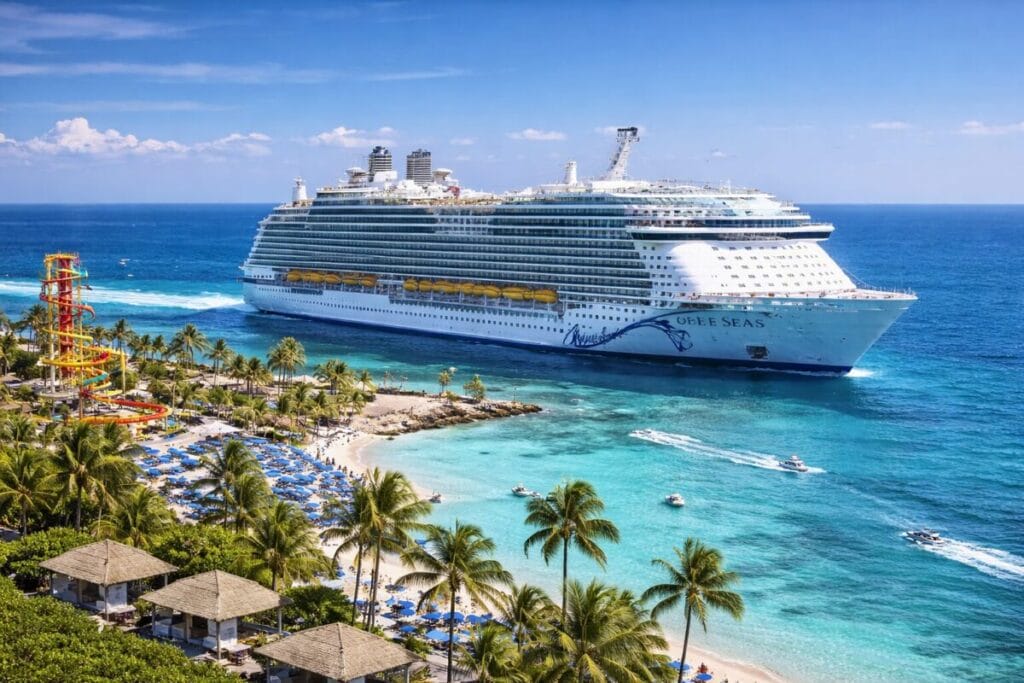
The global cruise industry has witnessed a major shift in 2026 as Royal Caribbean rises to the top of international rankings, overtaking long-established competitors such as MSC Cruises, Carnival Cruise Line, Princess Cruises, Holland America Line, Silversea, and other prominent brands. The new ranking reflects more than financial success or fleet size; it signals a transformation in how travelers evaluate cruise vacations, placing innovation, immersive experiences, and sustainability at the center of decision-making.
As passenger expectations evolve, Royal Caribbean has emerged as a leader by redefining what modern cruising looks like. From cutting-edge ship design to expansive onboard attractions and strategic global growth, the company has captured the attention of travelers seeking both adventure and luxury at sea.
A Breakthrough Year for Royal Caribbean
Over recent years, Royal Caribbean has transitioned from a strong competitor into a dominant industry force. In 2026, its growth has accelerated due to increased bookings, strong financial performance, and the continued introduction of next-generation ships designed to attract a wide demographic of travelers.
The cruise line’s strategy combines high-capacity vessels with immersive entertainment, diverse dining experiences, and innovative technology. This approach appeals to families, couples, and solo travelers alike, allowing the brand to maintain broad market appeal while delivering premium experiences.
Record demand for voyages indicates that travelers are gravitating toward cruise lines that offer dynamic onboard activities alongside traditional relaxation. Royal Caribbean’s ability to adapt to these changing preferences has played a significant role in its rise to the top of global rankings.
Innovation Through Mega-Ship Design
One of the defining factors behind Royal Caribbean’s success is its investment in groundbreaking ship classes. Mega-ships within the fleet feature advanced engineering, high-tech attractions, and large-scale entertainment options that elevate the cruise experience beyond conventional expectations.
These vessels include water parks, surf simulators, aerial attractions, and immersive entertainment venues designed to keep guests engaged throughout their voyage. The scale and diversity of onboard amenities allow passengers to customize their vacation experience, whether they prefer adrenaline-fueled activities or quiet relaxation.
Royal Caribbean’s upcoming ship launches continue to push boundaries by combining architectural innovation with environmentally conscious technologies. New vessels incorporate cleaner fuel systems and energy-efficient operations, reflecting the growing importance of sustainability in cruise travel.
Outperforming Key Competitors
The cruise industry remains highly competitive, with several major brands maintaining loyal customer bases. However, Royal Caribbean’s approach has enabled it to stand out across multiple categories.
Carnival Cruise Line continues to attract travelers with value-focused offerings and family-friendly entertainment, yet Royal Caribbean’s emphasis on larger ships and premium experiences provides a more diverse product range. MSC Cruises has achieved rapid growth through global expansion and eco-conscious ship designs, but Royal Caribbean’s strong brand identity and advanced onboard features have strengthened its competitive edge.
Princess Cruises remains a popular choice for travelers seeking destination-focused itineraries and traditional cruising experiences. Meanwhile, Holland America Line appeals to guests interested in cultural enrichment and smaller ship environments. Luxury brands like Silversea cater to niche markets seeking intimate, high-end voyages. Royal Caribbean distinguishes itself by blending elements of all these segments—family appeal, technological innovation, luxury options, and adventurous experiences—into a single brand identity.
Technology and Guest Experience
Technology plays a central role in shaping Royal Caribbean’s leadership position. Digital tools designed to enhance the passenger journey include wearable devices for onboard purchases, streamlined check-in systems, and high-speed connectivity that supports modern travel habits.
Entertainment innovation also remains a priority, with Broadway-style productions, immersive dining experiences, and interactive attractions redefining traditional cruise entertainment. The company’s focus on experiential travel aligns with broader tourism trends where guests seek memorable moments rather than passive leisure.
Exclusive destinations operated by the cruise line further extend the vacation beyond the ship itself. Private island experiences and curated beach resorts allow travelers to enjoy controlled environments that combine relaxation with adventure activities.
Sustainability and Environmental Responsibility
Sustainability has become a defining factor in modern cruise rankings, and Royal Caribbean’s investments in cleaner energy technologies contribute to its strong industry reputation. LNG-powered ships and energy-efficient systems demonstrate the company’s efforts to reduce emissions while maintaining high standards of comfort and luxury.
Environmental initiatives are increasingly important to travelers, particularly younger demographics who prioritize responsible tourism practices. By integrating sustainability into ship design and operations, Royal Caribbean positions itself as a forward-thinking brand aligned with evolving environmental expectations.
The Future of Cruising
The rise of Royal Caribbean reflects a broader transformation in the cruise industry. Travelers are seeking experiences that combine adventure, luxury, and personalization, prompting cruise lines to innovate continuously. Mega-ships equipped with advanced technology and immersive attractions represent a shift toward experiential travel that prioritizes engagement as much as destination exploration.
While competitors continue to refine their offerings, Royal Caribbean’s comprehensive approach—blending scale, innovation, sustainability, and diverse entertainment—has enabled it to lead the market in 2026.
As new ships launch and global itineraries expand, the company’s trajectory suggests continued growth in the coming years. For travelers, the evolving cruise landscape promises more choice, more innovation, and increasingly personalized vacation experiences.
In a rapidly changing tourism environment, Royal Caribbean’s success demonstrates how forward-thinking strategies and bold investments can redefine an entire industry. By balancing cutting-edge technology with memorable guest experiences, the cruise line has set a new benchmark for what it means to be the best cruise line in the world today.
For more travel news like this, keep reading Global Travel Wire