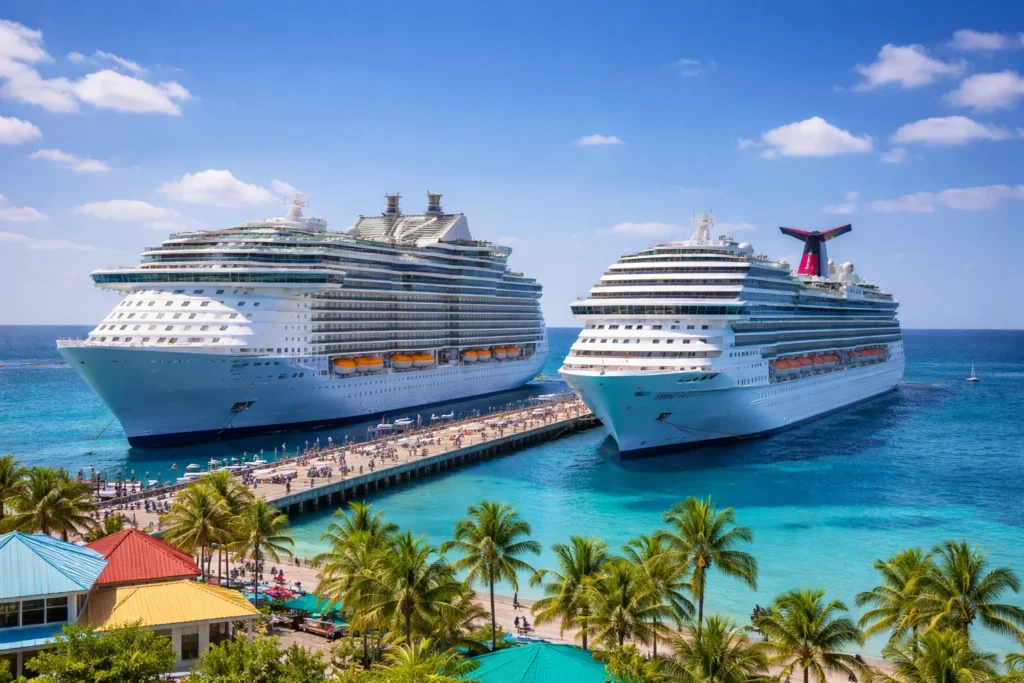
The global cruise sector is witnessing a strong resurgence, with major operators like Royal Caribbean Group and Carnival Corporation reporting robust financial performance amid rising travel demand. This recovery, supported by international tourism data and maritime industry reports, is playing a crucial role in revitalizing global tourism and reshaping travel preferences.
Tourism authorities across key cruise markets have confirmed that cruise travel demand has surged significantly following the reopening of international travel. According to official tourism statistics, cruise passenger volumes have returned to and, in some regions, exceeded pre-pandemic levels, driven by strong consumer interest in experiential travel and all-inclusive vacation options.
Both Royal Caribbean and Carnival have benefited from this upward trend, but differences in their business strategies are influencing profitability and shaping the broader cruise tourism landscape. Royal Caribbean has positioned itself in the premium segment of the market, focusing on high-value experiences, modern ships, and exclusive destinations. Carnival, on the other hand, emphasizes affordability and volume, catering to a broader customer base.
Recent operational performance data highlights this contrast. Royal Caribbean has achieved higher profit margins, reflecting its ability to command premium pricing and deliver enhanced onboard experiences. Tourism boards have noted that premium cruise offerings often attract travelers seeking unique destinations, luxury amenities, and personalized services, contributing to higher per-passenger spending.
Carnival, as the largest cruise operator by passenger numbers, continues to play a vital role in making cruise travel accessible to a wider audience. Its approach aligns with tourism policies aimed at increasing travel participation by offering affordable vacation options. This strategy supports mass tourism growth, particularly in regions where cruise travel serves as an entry point for first-time international travelers.
The profitability gap between the two companies is significant, with Royal Caribbean achieving notably higher margins. Industry analysts and maritime authorities suggest that higher margins provide greater financial flexibility, enabling companies to invest in fleet modernization, sustainability initiatives, and new destination development.
Fleet innovation is a key factor driving growth in cruise tourism. Royal Caribbean has invested heavily in next-generation ships designed to enhance passenger experiences and improve operational efficiency. These vessels incorporate advanced technologies, expanded entertainment options, and environmentally sustainable features, aligning with international maritime regulations and tourism sustainability goals.
Carnival is also investing in its fleet and destination offerings, including the development of exclusive cruise destinations. Tourism authorities recognize that such developments can boost local economies by creating new tourism hubs and increasing visitor spending in port communities.
The difference in strategy between premium and mass-market cruise operators reflects broader trends in global tourism. While affordability remains important, there is growing demand for high-quality, experience-driven travel. Tourism ministries and industry organizations have highlighted that travelers are increasingly prioritizing unique experiences, cultural immersion, and personalized services.
This shift is evident in booking patterns, with premium cruise lines reporting strong demand for upgraded cabins, exclusive excursions, and specialty experiences. At the same time, mass-market operators continue to attract large volumes of travelers, ensuring that cruise tourism remains inclusive and accessible.
The financial performance of cruise companies also influences long-term tourism development. Higher profitability allows operators to expand into new markets, enhance infrastructure, and collaborate with destination partners. These investments contribute to the overall growth and resilience of the tourism sector.
From a destination perspective, cruise tourism plays a vital role in supporting local economies. Ports of call benefit from increased visitor arrivals, which drive demand for local services such as guided tours, transportation, dining, and retail. Tourism boards often work closely with cruise operators to develop shore excursions that showcase cultural and natural attractions.
Sustainability is another key focus area for the cruise industry. International maritime organizations and government agencies are encouraging operators to adopt cleaner technologies and reduce environmental impact. Both Royal Caribbean and Carnival have committed to sustainability initiatives, including energy-efficient ships and waste reduction programs.
Looking ahead, the cruise industry is expected to continue its growth trajectory, supported by strong consumer demand and ongoing investments in innovation. Tourism authorities anticipate that cruise travel will remain a major contributor to global tourism, offering diverse experiences across multiple destinations.
For travelers, the evolving landscape presents a wide range of options, from luxury voyages to budget-friendly cruises. The choice between premium and mass-market experiences allows travelers to select journeys that align with their preferences and budgets.
Ultimately, the comparison between Royal Caribbean and Carnival highlights the dynamic nature of the cruise industry. While both companies are benefiting from the recovery in travel demand, their differing strategies underscore the importance of balancing quality, affordability, and innovation in driving sustainable tourism growth.
As cruise tourism continues to expand, the industry’s ability to adapt to changing traveler expectations and global challenges will play a crucial role in shaping the future of international travel.
For more travel news like this, keep reading Global Travel Wire