The cruise tourism sector in Florida is entering a new phase of growth as Port Tampa Bay moves forward with a major expansion plan aimed at meeting rising passenger demand. Backed by official port authority strategies and regional tourism development plans, the initiative reflects Tampa’s growing importance as a cruise gateway in the United States.
According to port authority updates and regional transportation planning data, Port Tampa Bay recorded over 1.6 million cruise passengers in 2025, marking a significant milestone in its operational history. This growth aligns with Florida’s broader tourism performance, as the state continues to rank among the top global cruise destinations based on official tourism statistics.
The upward trend is expected to continue in 2026, with projections indicating approximately 1.8 million passengers and more than 390 cruise ship calls throughout the year. Tourism officials have highlighted that Tampa’s accessibility, efficient port operations, and proximity to popular attractions make it an increasingly attractive embarkation point for travelers.
Port authorities attribute this surge in demand to several factors, including connectivity through nearby airports, streamlined boarding processes, and the region’s appeal as a pre- and post-cruise destination. Visitors often extend their stays to explore surrounding areas, including beaches and cultural attractions, contributing to local tourism revenue.
To accommodate this sustained growth, Port Tampa Bay has initiated its long-term infrastructure strategy under the “Vision 2030” master plan. This comprehensive development framework, aligned with state transportation and tourism objectives, includes enhancements to existing facilities and the construction of a new cruise terminal.
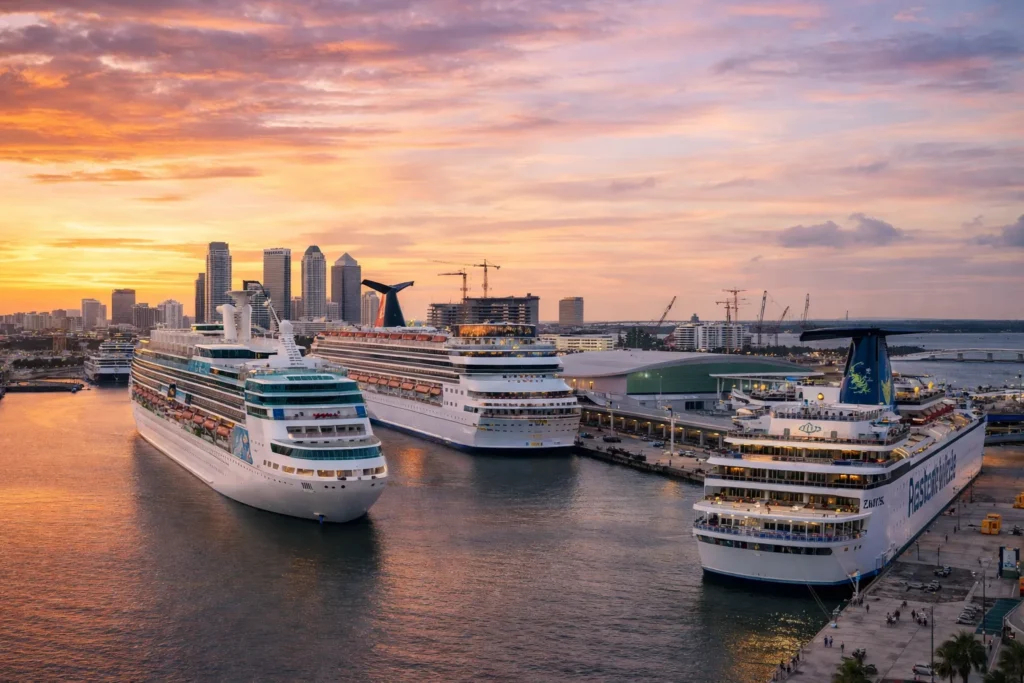
Currently, the port operates three main cruise terminals, which are approaching full capacity. Officials have indicated that space constraints are limiting the ability to accept additional cruise itineraries, highlighting the urgent need for expansion. The proposed fourth terminal is expected to significantly increase capacity and improve operational efficiency.
Preliminary planning documents suggest that the new terminal could support up to 200 additional ship calls annually and accommodate more than one million extra passengers each year. If realized, this would push total annual passenger volumes beyond 2.5 million, reinforcing Tampa’s position as a key player in the cruise tourism industry.
The expansion project also aims to enhance the overall passenger experience. Planned upgrades include improved traffic flow, modernized facilities, and the introduction of sustainable technologies such as shore power systems. These features align with environmental guidelines promoted by transportation authorities and international maritime organizations.
In addition to infrastructure improvements, the project is expected to reduce congestion in downtown Tampa and streamline logistics for both passengers and cruise operators. Tourism boards have emphasized that efficient port operations are essential for maintaining competitiveness in the global cruise market.
While the expansion within Port Tampa Bay is moving forward, a separate proposal to develop a new cruise facility near the Sunshine Skyway Bridge has been officially halted. The decision, supported by state government authorities, reflects a commitment to environmental preservation and sustainable development.
Officials have stated that the proposed location, situated within a protected coastal area, posed potential risks to local ecosystems and community lifestyles. Environmental protection policies in Florida prioritize the conservation of aquatic preserves and natural habitats, which played a key role in the decision to block the project.
Despite this, the focus remains on strengthening existing infrastructure within Port Tampa Bay. By concentrating development efforts within established port boundaries, authorities aim to balance tourism growth with environmental responsibility.
The expansion comes at a time when cruise tourism is experiencing a strong recovery globally. Government tourism agencies have reported increasing demand for cruise vacations, driven by a combination of pent-up travel interest and the appeal of all-inclusive experiences.
Florida, as a leading cruise hub, continues to benefit from this trend. Ports across the state are investing in infrastructure and capacity upgrades to accommodate larger passenger volumes and evolving cruise industry requirements. Tampa’s expansion is part of this broader statewide effort to enhance tourism competitiveness.
For travelers, the development promises improved facilities and greater availability of cruise options. The addition of a new terminal is expected to attract more cruise lines and itineraries, offering a wider range of destinations and experiences.
Local businesses and tourism operators are also likely to benefit from increased visitor numbers. Extended stays by cruise passengers contribute to hotel occupancy, dining, retail, and entertainment sectors, supporting the regional economy.
Looking ahead, Port Tampa Bay’s expansion represents a strategic investment in the future of tourism. By addressing capacity constraints and enhancing infrastructure, the port is positioning itself to meet growing demand while maintaining high standards of service and sustainability.
As global travel continues to evolve, initiatives like the Tampa cruise port expansion highlight the critical role of infrastructure in supporting tourism growth. With careful planning and adherence to environmental guidelines, Tampa is set to strengthen its status as a premier cruise destination in the years to come.