The cruise industry is returning to Southeast Asia with renewed confidence in 2026. Cruise lines are launching new routes and restoring long-absent ports. Vietnam now joins Thailand, Malaysia, Cambodia, Indonesia, and Singapore as a major focus. These developments reflect rising traveler demand and strong government support for cruise tourism.
Operators are introducing itineraries that range from short coastal journeys to multi-country voyages. The diversity of routes highlights Southeast Asia’s growing importance in global cruise planning.
Vietnam Expands Its Cruise Footprint
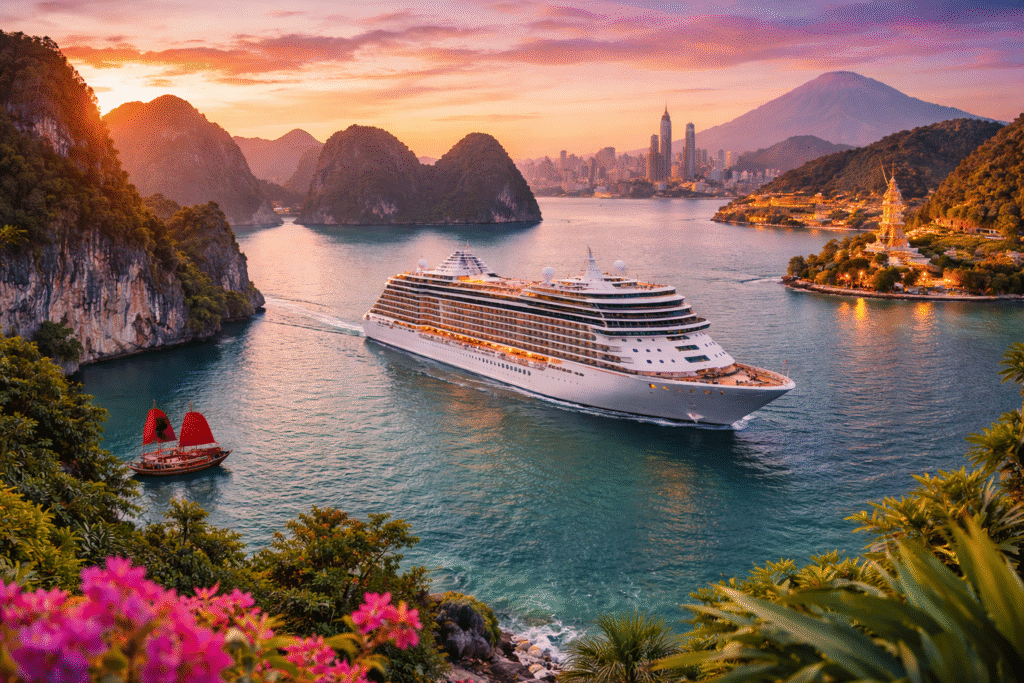
Vietnam’s coastline is gaining new attention from cruise operators. Ha Long Bay has long welcomed international ships. New routes now expand access and diversify experiences.
A seasonal sea connection between northern Vietnam and southern China marks a major shift. Direct cruise access improves regional tourism cooperation. Authorities expect stronger inbound traffic and longer stays.
Vietnamese operators are also promoting lesser-visited bays. Bai Tu Long Bay has emerged as an alternative to crowded Ha Long itineraries. Boutique cruises now focus on small groups and immersive experiences.
These routes support sustainable tourism goals. Smaller ships reduce congestion while increasing visitor value.
Thailand and Malaysia Strengthen Regional Connectivity
Thailand remains a cornerstone of Southeast Asian cruising. New itineraries include both major ports and smaller islands. This balance supports beach tourism and cultural exploration.
Malaysia is restoring its role as a cruise gateway. Port Klang and Melaka are returning as turnaround ports. These additions expand options beyond Singapore.
Short cruises between Malaysia, Singapore, and Thailand attract regional travelers. These routes encourage first-time cruising and weekend travel.
Improved port infrastructure supports this expansion. Authorities continue to upgrade terminals and services.
Cambodia and Indonesia Gain Increased Cruise Exposure
Cambodia is receiving more overnight cruise calls. Ports near cultural landmarks are seeing renewed interest. Longer stays increase local spending and cultural engagement.
Indonesia continues to benefit from its island diversity. Bali remains a key destination for repositioning cruises. New routes also include Lombok and other emerging ports.
Cruise tourism supports Indonesia’s broader tourism strategy. Island destinations benefit from controlled visitor flows.
Singapore Maintains Its Hub Status
Singapore remains Southeast Asia’s leading cruise hub. Many itineraries begin or end at its modern terminals. The city-state supports smooth operations and strong air connectivity.
Cruise lines continue to base ships in Singapore for seasonal programs. This strategy ensures consistent passenger volumes and regional access.
Singapore also benefits from pre- and post-cruise stays. Hotels, transport providers, and attractions see sustained demand.
Luxury and Small-Ship Cruising Gain Momentum
Luxury cruise operators are expanding Southeast Asia deployments. Smaller ships now visit ports that large vessels cannot access. This approach supports cultural immersion and sustainability.
These itineraries emphasize overnight stays and slower travel. Guests explore cities and heritage sites in depth. High-end travelers increasingly favor this style of cruising.
Extended itineraries also encourage longer regional stays. Pre- and post-cruise tours add economic value.
Large Cruise Lines Reintroduce Long Voyages
Mainstream cruise lines are also increasing presence. Longer itineraries connect Southeast Asia with Japan and Australia. These routes attract experienced cruisers seeking variety.
Repositioning voyages now include multiple Southeast Asian ports. This strategy exposes new destinations to global markets.
Large ships bring scale and visibility. They also encourage port investments and workforce development.
Economic and Tourism Impact Across the Region
The expansion of cruise routes delivers broad economic benefits. Ports generate revenue through fees and services. Local businesses benefit from shore excursions and visitor spending.
Governments view cruise tourism as a high-value segment. Passengers often spend more per visit than land tourists. Overnight calls increase this impact.
Infrastructure upgrades continue across the region. Improved terminals enhance passenger experiences and operational efficiency.
Sustainability Shapes Cruise Development
Southeast Asian governments are prioritizing sustainable tourism. Cruise operators are responding with responsible practices. Smaller group excursions and regulated visitor flows support conservation.
Vietnam’s shift toward alternative bays reflects this approach. Cambodia and Thailand are also managing sensitive sites carefully.
Cruise tourism now aligns more closely with long-term planning goals.
Travelers Gain More Choice and Flexibility
The 2026 cruise season offers travelers unprecedented choice. Options range from short regional trips to extended international journeys.
New ports provide fresh experiences beyond traditional маршруtes. Travelers can explore cultural, natural, and culinary highlights.
Flexible itineraries allow combinations with land travel. This trend suits modern travel preferences.
Southeast Asia Reclaims Its Place on the Cruise Map
The return and expansion of cruise routes signal strong recovery. Vietnam’s inclusion strengthens regional diversity. Thailand, Malaysia, Cambodia, Indonesia, and Singapore continue to build momentum.
The 2026 season marks a turning point. Cruise tourism now supports sustainable growth and regional collaboration.
For travelers, Southeast Asia offers richer, more accessible cruise experiences than ever before.
For more travel news like this, keep reading Global Travel Wire