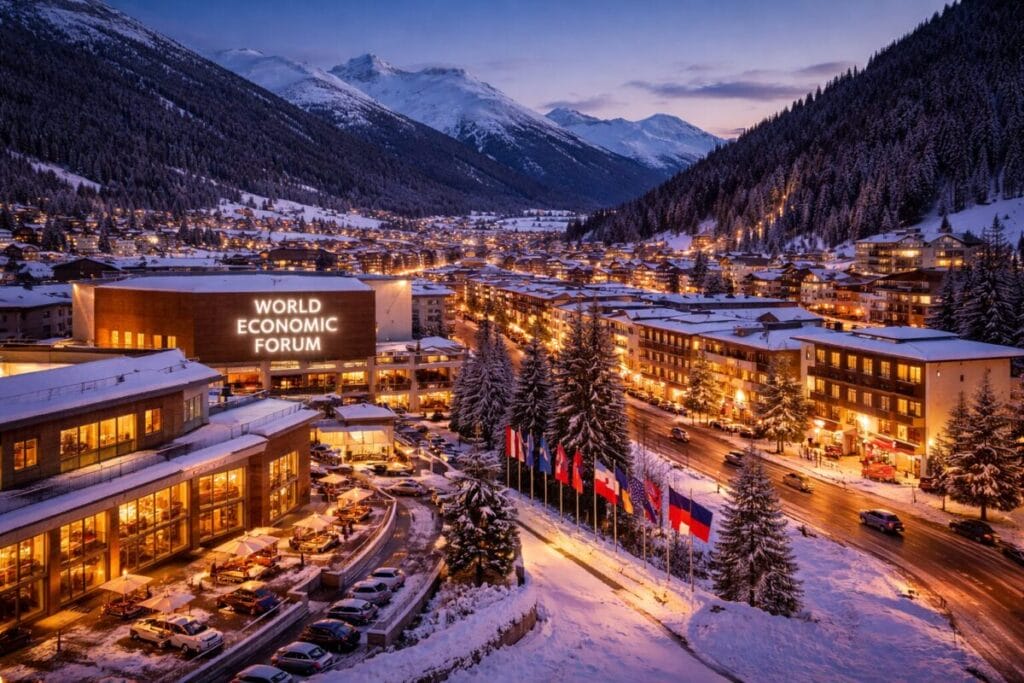
Switzerland is preparing for a remarkable influx of global business travelers as the 2026 World Economic Forum (WEF) in Davos draws closer. The prestigious annual summit, known for hosting heads of state, influential CEOs, economists, and thought leaders, is already generating major movement across both the aviation and tourism sectors. Airlines including Lufthansa, Emirates, Qatar Airways, and Delta Air Lines are strengthening their services to Zurich and other Swiss gateways ahead of the event, anticipating a surge in demand from high-profile passengers seeking efficient, seamless, and luxurious travel connections to the Alpine nation.
The renewed energy around the international business travel market comes at a pivotal moment for global aviation. After several years of fluctuating flight demand and capacity adjustments, airlines are now embracing a new phase characterized by strong premium cabin performance, robust corporate bookings, and high outbound travel interest from North America, the Middle East, and Asia. The Davos summit stands out as one of the most influential events fueling this resurgence, establishing Switzerland as one of the top luxury travel destinations for 2026.
Airlines Scale Up Premium Routes to Switzerland
To accommodate the anticipated wave of WEF delegates, airlines are expanding frequencies, upgrading aircraft types, and boosting connections through major hubs. Lufthansa is increasing long-haul and intra-European capacity to Zurich, Basel, and Geneva, leveraging its strategic position at the heart of European aviation. The carrier’s premium products, including lie-flat suites, private lounges, and dedicated concierge assistance, position it as a preferred choice for business travelers heading to Davos.
Gulf carriers are also making decisive strategic moves. Emirates and Qatar Airways, two of the world’s leaders in luxury aviation, are increasing flight availability from Dubai and Doha while aligning schedules with the peak arrival days for WEF attendees. Both carriers report heightened interest in First and Business Class cabins, driven by executives who value privacy, connectivity, premium dining, and onboard productivity. Their long-haul connections enable global participation from Asia-Pacific markets, the Indian subcontinent, and emerging economies eager to join the international policy conversation in Switzerland.
Delta Air Lines is likewise strengthening its transatlantic portfolio with additional flights to Zurich from major U.S. business hubs. The airline expects strong demand from financial centers including New York, Boston, Washington, and Atlanta, as American institutions traditionally field large delegations at Davos. Corporate travel analysts note that U.S. participation in business diplomacy events has grown significantly, amplifying the need for direct international connectivity.
Swiss Hospitality Sector Prepares for a Tourism Wave
As aviation infrastructure adapts, Switzerland’s hospitality and tourism industries are entering preparation mode for what many describe as a “luxury tourism wave.” Hotels in Davos have historically reached near full occupancy during the WEF, but forecasts for 2026 indicate even higher demand as more companies choose to send executives in person following a renewed emphasis on face-to-face diplomacy.
Luxury resorts, boutique wellness lodges, private chalets, and upscale ski hotels in Davos, Klosters, and surrounding Alpine towns are offering exclusive packages tailored to the summit. These include private transfers, multilingual concierge support, VIP check-in amenities, chauffeur services, and access to corporate event spaces designed for private meetings and receptions. The heightened attention on service personalization reflects larger market trends in high-net-worth tourism, where exclusivity and customization have become essential features rather than optional luxuries.
Zurich is also expected to absorb a significant share of incoming travelers, especially those staying for shorter periods or combining business with leisure. Switzerland’s post-summit travel tradition is likely to remain strong, as delegates often extend their trips to explore the country’s renowned ski resorts, cultural attractions, gastronomy, and winter landscapes.
Transportation and Logistics Scale to Meet Demand
The logistics of traveling to Davos have always been complex, given the city’s mountain setting. Zurich Airport will once again serve as the primary gateway for international attendees, with private aviation services, VIP lounges, and helicopter transfers playing a crucial role in facilitating onward travel. Switzerland’s efficient rail network also helps manage the flow of thousands of visitors during the summit period, providing smooth connections through the Swiss Federal Railways system.
Transportation providers are preparing for increased demand for chartered vehicles, luxury SUVs, and executive shuttle services, as delegates and security teams manage their movements between summit venues, hotels, and private receptions.
Economic and Tourism Impact Beyond the Summit
The ripple effect of the 2026 Davos summit extends well beyond the week-long event. Tourism authorities in Switzerland report that the global visibility generated by the WEF strengthens Switzerland’s image as a luxury travel destination throughout the year. Delegates frequently return for ski holidays, wellness retreats, or corporate retreats after initially discovering the region during the summit.
This synergy between aviation, tourism, and global business travel signals robust opportunities for the Swiss economy. Hotels, restaurants, retailers, museums, conference venues, and transportation operators all benefit from the influx of high-spending visitors drawn to Switzerland’s blend of political significance, natural beauty, and world-class service.
A New Chapter for High-End Business Tourism
As airlines and hospitality partners align for the 2026 Davos summit, Switzerland is poised for a record-breaking year in luxury and business tourism. The event underscores a new era in the travel sector—one defined by personalization, premium service, seamless connectivity, and experiential value.
For the global aviation industry, Davos offers a clear signal: business travel is not only back, but evolving into something more sophisticated and strategic than ever before.
For more travel news like this, keep reading Global Travel Wire