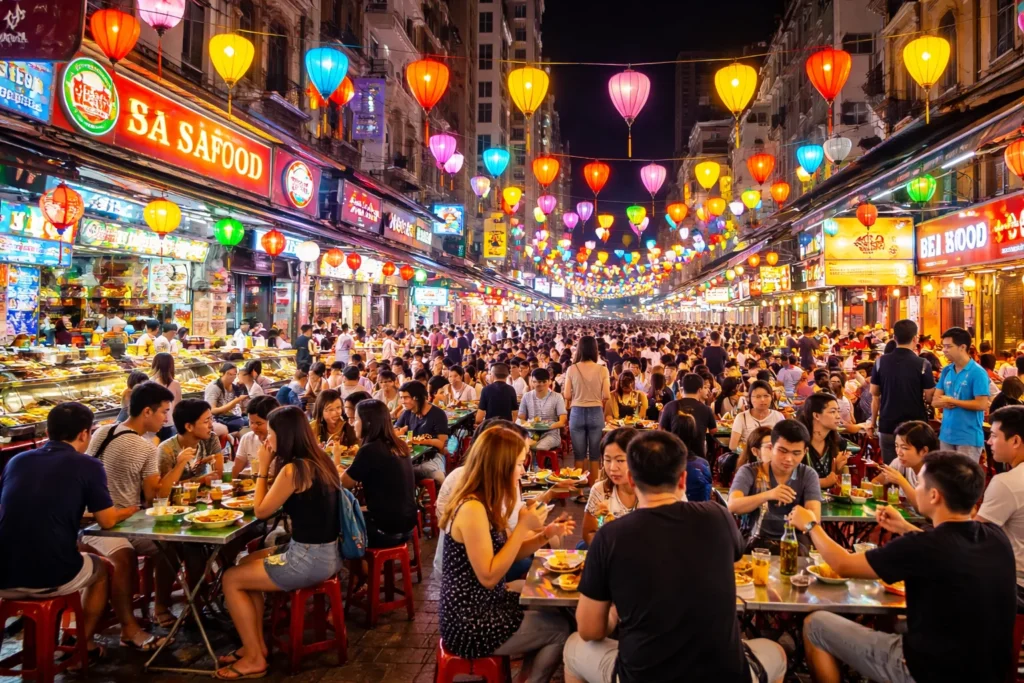
The global tourism industry has made a powerful comeback, with international travel reaching new milestones as countries worldwide report strong visitor numbers. According to official tourism statistics and international travel data, global tourism has not only recovered from pandemic-related disruptions but is now advancing steadily toward long-term growth, with France once again leading as the world’s most visited destination.
In 2025, France welcomed over 117 million international tourists, reinforcing its position at the top of global tourism rankings. The country’s sustained appeal reflects a combination of cultural richness, iconic landmarks, and strong tourism infrastructure. National tourism authorities have consistently highlighted France’s diverse offerings, from historic cities and world-class museums to scenic countryside and renowned cuisine.
At the heart of France’s tourism success is its capital, Paris, a city that continues to draw millions of visitors each year. Known globally for its architectural beauty and cultural heritage, Paris offers a unique blend of historic charm and modern vibrancy. Landmarks such as the Eiffel Tower and the Arc de Triomphe remain major attractions, while museums, galleries, and riverside experiences along the Seine contribute to the city’s enduring popularity.
Global tourism recovery has been driven by several key factors, including the restoration of international flight routes, streamlined visa processes, and coordinated efforts by governments to support the travel sector. Tourism ministries and national travel boards have implemented policies aimed at revitalizing the industry, focusing on safety, accessibility, and sustainable growth.
Official data indicates that international overnight arrivals reached approximately 1.52 billion in 2025, marking a significant increase compared to previous years. This growth reflects a broader trend of rising demand for travel, as people seek new experiences and reconnect with global destinations. The steady increase in visitor numbers suggests that the tourism sector has regained its pre-pandemic momentum and is on track for continued expansion.
Beyond France, several other countries have also recorded strong inbound tourism figures. Nations such as Mexico, the United States, Italy, and Spain have remained key players in the global tourism market. European destinations, in particular, continue to dominate due to their concentration of cultural heritage sites, well-developed infrastructure, and ease of travel within the region.
Italy and Spain have benefited from their rich historical attractions, vibrant cities, and culinary traditions, which attract millions of visitors annually. Meanwhile, emerging tourism destinations in Central and Eastern Europe are gaining recognition for their unique cultural experiences and affordability, contributing to a more diversified global tourism landscape.
Tourism authorities across these countries have emphasized the importance of connectivity in sustaining growth. Improved air travel networks, expanded airport capacity, and investments in transportation infrastructure have made it easier for travelers to access popular and emerging destinations alike. These developments are critical in supporting the continued expansion of international tourism.
The resurgence of tourism has also brought significant economic benefits. Governments have reported increased revenue from tourism-related activities, including hospitality, transportation, and retail sectors. This growth supports job creation and contributes to broader economic stability, particularly in regions where tourism is a major source of income.
However, the rapid increase in visitor numbers has also presented challenges for popular destinations. Authorities are working to address issues such as overcrowding, resource management, and the preservation of cultural and natural sites. In cities like Paris, tourism management strategies are being reviewed to ensure that visitor experiences remain positive while protecting local communities and heritage.
Efforts to promote sustainable tourism are becoming increasingly important. Government initiatives are focusing on balancing economic benefits with environmental and social considerations. This includes encouraging responsible travel behavior, managing visitor flows, and investing in infrastructure that supports long-term sustainability.
The role of cities in global tourism continues to grow, with urban destinations serving as major hubs for cultural, business, and leisure travel. Paris has consistently ranked among the top global city destinations, reflecting its ability to offer diverse experiences that appeal to a wide range of travelers. Its continued success highlights the importance of maintaining high standards in tourism services and infrastructure.
Looking ahead, the outlook for global tourism remains positive. Official forecasts suggest that international travel demand will continue to rise, driven by demographic trends, economic growth, and increasing connectivity. Governments and industry stakeholders are working collaboratively to ensure that this growth is managed effectively and sustainably.
Innovation is also playing a key role in shaping the future of tourism. Digital technologies, smart travel solutions, and data-driven strategies are helping destinations enhance visitor experiences and improve operational efficiency. These advancements are expected to further support the growth and resilience of the tourism sector.
France’s continued leadership in global tourism underscores the importance of strategic planning, investment, and cultural preservation. By maintaining its appeal while adapting to changing travel trends, the country serves as a model for other destinations seeking to strengthen their tourism industries.
As global tourism enters a new phase of growth, the focus will remain on creating meaningful travel experiences while ensuring sustainability and inclusivity. The strong performance of leading destinations, combined with the emergence of new travel hotspots, reflects a dynamic and evolving industry.
Ultimately, the revival of global tourism signals renewed confidence in international travel. With countries working to enhance connectivity, improve infrastructure, and promote sustainable practices, the tourism sector is well-positioned to continue its upward trajectory in the years ahead.