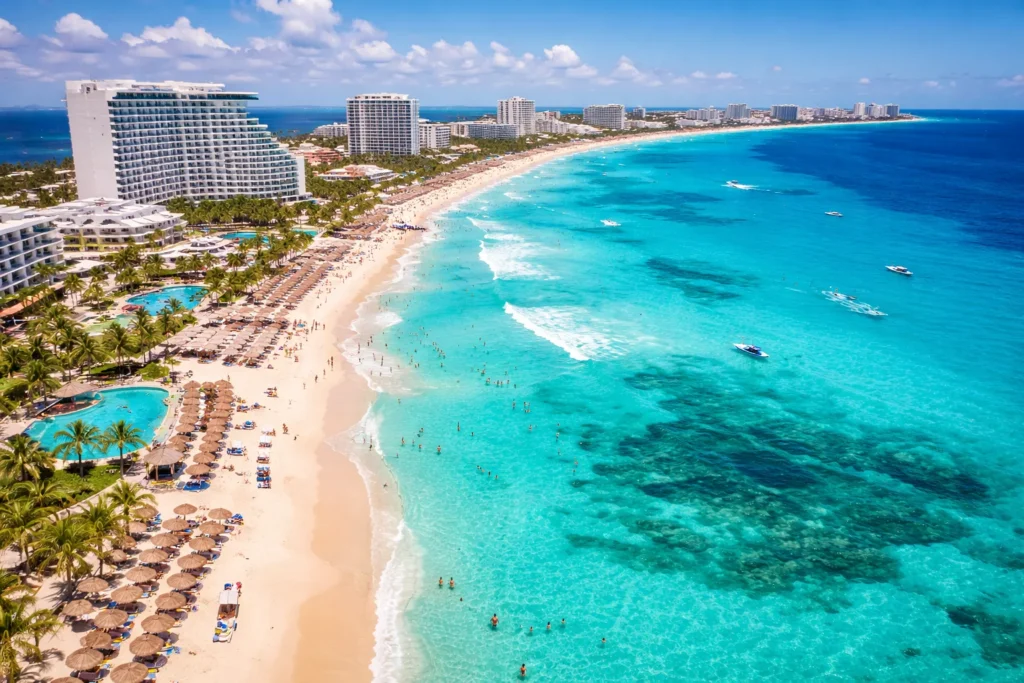
The global travel industry has entered a strong recovery phase, with international tourism reaching new milestones in 2025. According to official tourism statistics and international travel data, global overnight arrivals climbed to approximately 1.52 billion, marking a significant increase compared to previous years and signaling a return to pre-pandemic growth patterns.
Tourism authorities worldwide have confirmed that the steady reopening of borders, expansion of flight routes, and supportive travel policies have played a crucial role in revitalizing the sector. The recovery reflects renewed traveler confidence and growing demand for international experiences, with many destinations reporting consistent increases in visitor numbers.
Among the world’s leading destinations, France has once again secured its position as the most visited country globally. Official tourism data indicates that France welcomed over 117 million international visitors in 2025, reinforcing its long-standing dominance in the global tourism landscape.
At the heart of France’s tourism appeal is Paris, a city widely recognized by tourism boards for its cultural richness, historic landmarks, and global appeal. Paris continues to attract millions of visitors each year, drawn by iconic attractions, world-class museums, and its reputation as a center of art, fashion, and gastronomy.
Tourism authorities highlight that the city’s consistent ranking among the world’s top destinations reflects its ability to combine heritage with modern experiences. Visitors are drawn to landmarks such as the Eiffel Tower, the Seine River, and historic boulevards, all of which contribute to Paris’s enduring popularity.
Beyond France, several other countries have also experienced strong tourism performance. Mexico, United States, Italy, and Spain rank among the top destinations globally, each benefiting from diverse attractions and well-developed tourism infrastructure. These countries have implemented national tourism strategies aimed at enhancing visitor experiences and increasing international arrivals.
Europe continues to dominate global tourism rankings, with multiple countries in the top ten. Tourism ministries across the region attribute this success to a combination of cultural heritage, efficient transportation networks, and strong hospitality sectors. The availability of diverse experiences, from historical landmarks to culinary tourism, makes Europe a highly competitive destination.
Other destinations, including China and Turkey, have also seen significant growth in international arrivals. These countries have invested in tourism infrastructure and marketing initiatives to attract global travelers, aligning with national development goals.
While the recovery of global tourism brings substantial economic benefits, it also presents new challenges. Popular destinations are experiencing increased pressure on infrastructure, public services, and cultural sites. Tourism authorities have acknowledged the need to balance visitor growth with sustainability and local community well-being.
In Paris, for example, the surge in visitor numbers has led to discussions around capacity management and pricing strategies. Tourism boards and local authorities are working to ensure that tourism remains sustainable while maintaining high-quality visitor experiences.
The global tourism rebound has also highlighted the importance of strategic planning and policy coordination. Governments are focusing on measures to distribute tourist flows more evenly, promote lesser-known destinations, and enhance infrastructure to accommodate growing demand.
Sustainability has become a central theme in tourism development. International organizations and national tourism agencies are encouraging responsible travel practices, including environmental conservation and cultural preservation. These initiatives aim to ensure that tourism growth benefits both visitors and local communities.
The recovery is also supported by advancements in aviation and transportation. Increased flight connectivity and improved travel services have made it easier for travelers to explore new destinations. Aviation authorities continue to work with airlines to expand routes and improve efficiency, further supporting the growth of international tourism.
For travelers, the resurgence of global tourism offers a wide range of opportunities. From cultural exploration in Europe to beach destinations in the Americas and Asia, the diversity of travel experiences continues to expand. Tourism boards are actively promoting unique experiences to attract different segments of travelers, including luxury, adventure, and cultural tourism.
Looking ahead, tourism authorities expect the upward trend to continue, with steady growth in international arrivals over the coming years. The global tourism market is projected to maintain its growth trajectory, supported by ongoing investments in infrastructure, marketing, and innovation.
The strong performance of France and Paris underscores the enduring appeal of destinations that offer a combination of history, culture, and modern amenities. As global tourism continues to evolve, these factors will remain key drivers of success.
Ultimately, the recovery of international travel marks a significant milestone for the tourism industry. With continued collaboration between governments, industry stakeholders, and local communities, the sector is well-positioned to sustain growth while addressing the challenges of increased demand.
The global tourism recovery not only reflects the resilience of the industry but also highlights the enduring desire of travelers to explore the world, connect with different cultures, and experience new destinations.