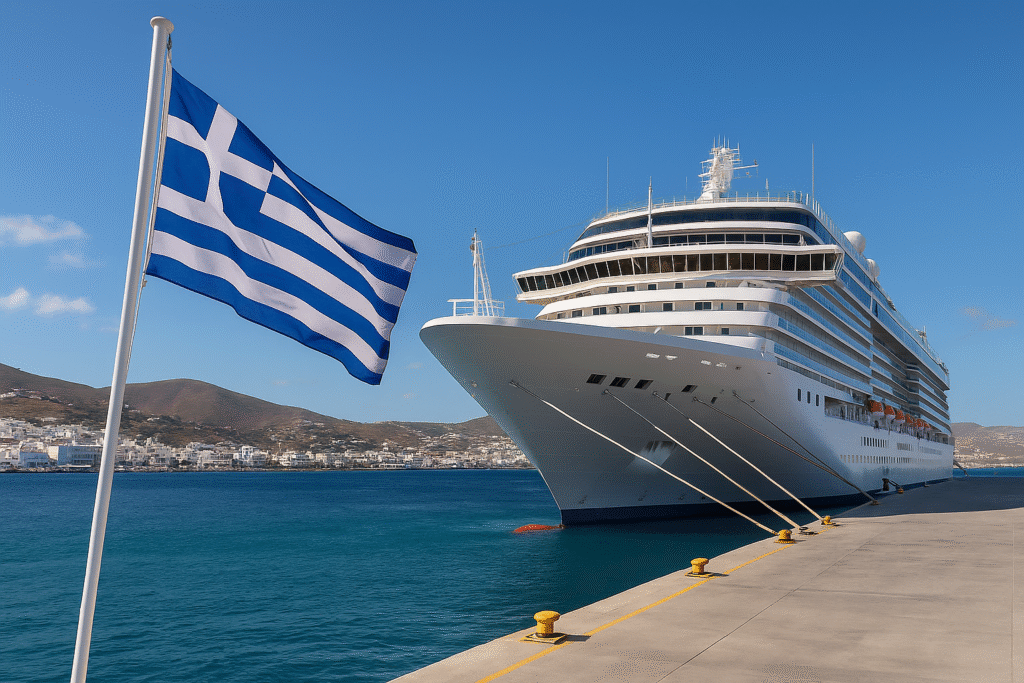
Greece is charting a new course in global cruise tourism with the unveiling of a comprehensive national strategy aimed at balancing growth, sustainability, and diversification. Known worldwide for its idyllic islands and cultural treasures, Greece is positioning itself as a leader in sustainable cruise tourism by developing new destinations, investing in modern infrastructure, and extending the tourism season.
The strategy responds to two key challenges: overcrowding in popular destinations such as Santorini and Mykonos, and the need for a year-round tourism model that supports local economies more evenly. With a forward-looking approach, the government and stakeholders are working to ensure that cruise tourism not only brings economic benefits but also aligns with environmental and cultural preservation goals.
Tackling Overtourism Through Diversification
For decades, iconic islands like Santorini have captured the spotlight, drawing in thousands of cruise passengers daily. However, this has led to overcrowding, infrastructure strain, and concerns over the sustainability of mass tourism.
The national cruise strategy directly addresses this by highlighting emerging cruise hubs such as Volos and Kavala. Volos, located near the UNESCO-listed Meteora rock monasteries, offers a unique combination of natural and cultural attractions, while Kavala serves as a gateway to historical treasures and coastal beauty.
By promoting a wider range of ports, Greece aims to spread the economic benefits of cruise tourism, ease pressure on saturated destinations, and create opportunities for lesser-known regions to flourish. This shift not only enhances the visitor experience but also ensures long-term sustainability for local communities.
Investing in Modern Cruise Infrastructure
Infrastructure development is central to Greece’s cruise tourism strategy. With 48 operational cruise ports already in place, the focus now is on upgrading facilities to meet growing international demand. Ports such as Piraeus, Heraklion, and Kavala are being modernized to accommodate larger ships and increased passenger traffic.
These investments extend beyond expansion. Greece is aligning its ports with European Union green policies by integrating eco-friendly technologies, reducing emissions, and adopting energy-efficient systems. The emphasis on “green ports” underscores the nation’s commitment to sustainable growth while maintaining competitiveness in the global cruise market.
Extending the Tourist Season Beyond Summer
Another cornerstone of the strategy is breaking free from the seasonal cycle that has traditionally defined Greek tourism. While summer remains the busiest period, Greece is now investing in winter-ready ports and promoting year-round cruise itineraries.
Winter cruise programs will highlight destinations that are equally appealing outside peak months—whether it’s Athens with its cultural festivals, Crete with its mild climate, or Thessaloniki with its culinary scene. Extending the tourist season will stabilize income for hospitality businesses, keep local jobs active year-round, and diversify the tourism economy across all regions.
Celebrating Greece’s Cultural Heritage
Cultural immersion is at the heart of Greece’s new cruise tourism vision. Beyond beaches and sunsets, the strategy highlights Greece’s unmatched heritage—from archaeological wonders and Byzantine landmarks to traditional arts and cuisine.
New cultural tourism products are being developed to enhance the visitor experience. Cruise itineraries may now include guided visits to historical sites, local artisan workshops, and live performances that reflect Greece’s traditions. By integrating culture into cruise tourism, Greece is appealing to travelers seeking authentic, meaningful experiences that go beyond sightseeing.
Local communities play a vital role in this plan. By partnering with artisans, performers, and small businesses, cruise operators can deliver genuine cultural interactions while supporting local economies. This collaborative approach strengthens Greece’s position as a destination for experiential and responsible travel.
Promoting Greece on the Global Cruise Stage
International promotion is another major component of the national strategy. Greece is investing in global marketing campaigns, strengthening partnerships with cruise lines, and engaging travel agencies to expand visibility.
The campaigns will emphasize not only Greece’s iconic islands but also its emerging cruise destinations, helping diversify itineraries and encourage operators to expand routes. Digital tools, influencer marketing, and social media campaigns will target younger demographics—particularly millennials and Gen Z—who prioritize sustainability and cultural depth in their travels.
Sustainability as a Competitive Edge
With eco-tourism demand on the rise, Greece is aligning its cruise development with global sustainability standards. The adoption of green technologies, waste management systems, and environmentally friendly port operations are central to its strategy.
By promoting itself as a sustainable cruise destination, Greece can attract high-value travelers who seek environmentally responsible journeys. This focus on sustainability provides Greece with a competitive advantage in the international market, reinforcing its reputation not only as a cultural treasure but also as a leader in eco-conscious tourism.
Economic Growth Through Responsible Tourism
The national cruise strategy is designed to boost Greece’s economy by balancing visitor numbers, creating new business opportunities, and generating employment across regions. By channeling tourism revenues to emerging destinations and investing in local communities, the strategy ensures that growth is inclusive and widely distributed.
At the same time, the plan protects Greece’s natural and cultural assets, ensuring that economic growth does not come at the expense of heritage or the environment. This balance between development and preservation represents the foundation of Greece’s long-term tourism success.
Conclusion: A Sustainable Future for Cruise Tourism
Greece’s national cruise tourism strategy marks a turning point for the country’s maritime and tourism sectors. By diversifying destinations, upgrading infrastructure, extending the travel season, and prioritizing sustainability, Greece is setting a new standard for global cruise tourism.
This approach ensures that both popular and lesser-known destinations benefit from international arrivals, while visitors enjoy a richer, more authentic experience. With culture, sustainability, and innovation at its core, Greece is positioning itself as not just a top cruise destination but also a pioneer in creating a responsible, future-ready tourism model.
For more travel news like this, keep reading Global Travel Wire