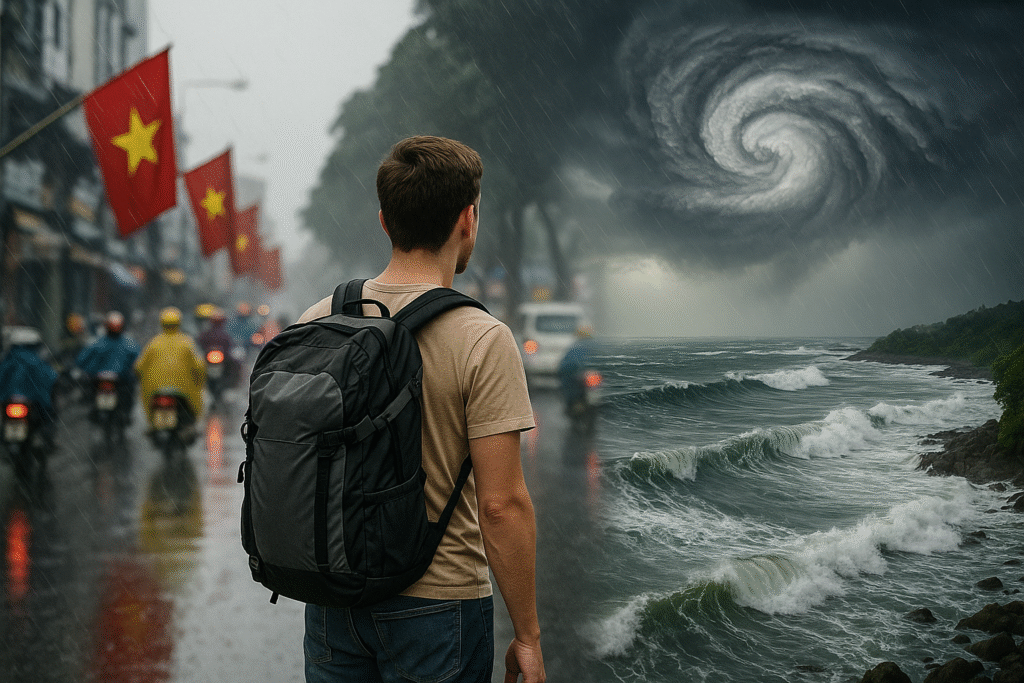
Italy has issued an urgent 2025 travel advisory for its citizens, highlighting growing safety concerns in six countries: Vietnam, the Philippines, Nepal, India, Cambodia, and Portugal. These destinations, long popular with global tourists, now face escalating risks from natural disasters, severe weather, and security challenges. Italian authorities encourage travelers to remain vigilant, plan carefully, and monitor official updates before and during their trips.
The decision follows a surge in tropical storms, heavy flooding, wildfires, and political instability across regions already vulnerable to climate change. Travelers are urged to prioritize safety and consider the potential disruptions when making travel plans in 2025.
Vietnam: Battling Tropical Storm Bualoi
Vietnam has joined the advisory list due to the immediate threat of Tropical Storm Bualoi. Central and northern regions, including Hanoi, Da Nang, Ha Tinh, and Quang Tri, brace for torrential rainfall, widespread flooding, and dangerous landslides. These conditions create hazardous travel environments, with transportation delays, damaged infrastructure, and potential evacuations likely.
Vietnam’s government continues to strengthen disaster management systems, but the storm’s unpredictable path requires tourists to follow local guidance closely. Italian nationals have been advised to avoid non-essential travel to high-risk areas and remain prepared for sudden weather shifts.
Philippines: Typhoons and Political Tensions
The Philippines faces both environmental and security challenges. Typhoon season already brings destructive storms, and Tropical Storm Bualoi, known locally as “Opong,” adds to the concern. Northern Luzon and coastal provinces expect severe weather, with heavy rainfall and strong winds disrupting daily life.
Beyond natural threats, the Philippines continues to struggle with terrorism and insurgency, particularly in Mindanao and the Sulu archipelago. Italian officials strongly advise against visiting these regions, citing risks of kidnappings and armed attacks. Earthquakes and volcanic activity along the Pacific “Ring of Fire” further complicate the safety picture.
Nepal: High-Risk Himalayan Travel
Nepal remains a dream destination for trekkers and adventure travelers, but the risks are mounting. Monsoon rains from June to September frequently trigger landslides and flash floods in mountain regions. Earthquakes remain an ongoing threat, and avalanches can occur without warning in high-altitude trekking areas.
Travelers heading to Nepal must plan with extreme caution. While the Himalayas attract climbers worldwide, unpredictable environmental hazards make this region one of the most dangerous destinations listed in Italy’s 2025 advisory.
India: Pollution, Floods, and Earthquakes
India presents a mix of cultural richness and serious safety concerns. Northern states such as Jammu and Kashmir face earthquake risks, while ongoing military tensions create additional challenges for travelers. In cities like New Delhi, air pollution frequently surpasses safe levels, making outdoor activities difficult for sensitive groups.
During the monsoon season, states including Kerala, Gujarat, and Maharashtra often experience destructive floods. For tourists, these conditions pose significant risks, from transportation breakdowns to health issues related to contaminated water and poor air quality.
Cambodia: Landmine Risks and Border Tensions
Cambodia continues to attract cultural travelers with landmarks such as Angkor Wat, but unexploded ordnance remains a real danger in rural provinces. Areas such as Ratanakiri, Kratie, and Mondulkiri still contain landmines left from past conflicts. Tourists are encouraged to avoid remote areas unless traveling with expert guides.
Border disputes with Thailand occasionally spark unrest in regions like Banteay Meanchey. Although daily life remains calm in most of Cambodia, these risks led Italian officials to include the country in their 2025 warning.
Portugal: Wildfires and Cyclones
Portugal joins the advisory list due to rising wildfire threats and severe weather linked to climate change. Summer months bring frequent wildfires in rural and forested areas, endangering travelers and residents alike. In recent years, these fires have caused significant damage to property and loss of life.
The Azores islands, part of Portugal’s Atlantic territory, face risks from tropical cyclones. In 2025, authorities expect Tropical Cyclone Gabrielle to disrupt travel in the archipelago, with strong winds and heavy rainfall forecasted. Tourists are urged to follow official guidance and avoid high-risk zones during storm warnings.
Climate Change and Global Travel
The inclusion of these six countries underscores a larger reality: climate change is reshaping global travel. Severe storms, unpredictable weather patterns, and environmental hazards now affect destinations once considered safe. Italy’s 2025 advisory reflects growing concern that natural disasters will continue to intensify, demanding careful planning from travelers.
Authorities stress that while cultural exploration remains possible, travelers must balance adventure with safety. Staying informed, carrying emergency contacts, and preparing for sudden disruptions are now essential parts of international tourism.
Final Word for Travelers
The 2025 Italy travel advisory highlights the fragility of popular destinations in the face of environmental and political risks. Vietnam, the Philippines, Nepal, India, Cambodia, and Portugal still welcome international visitors, but heightened caution is necessary.
Travelers should remain flexible, follow local authorities’ directions, and invest in travel insurance that covers natural disasters. While these countries offer stunning landscapes, rich heritage, and unique cultural experiences, the changing climate demands respect for safety over spontaneity.
For more travel news like this, keep reading Global Travel Wire