London’s transport network experienced significant disruption during the morning commute, affecting both local workers and international visitors navigating the capital. Service interruptions on the Piccadilly line, combined with suspended routes around East Croydon and planned station changes at Barons Court, created a challenging travel environment for thousands of passengers relying on public transport.
As one of the world’s busiest urban transit systems, London’s Underground and Overground routes play a crucial role in connecting residential areas, business districts, airports, and tourist attractions. While disruptions are not uncommon in such a complex network, the combination of operational delays and engineering works highlights the importance of planning ahead for both commuters and travelers.
Piccadilly Line Delays Affect Key Routes
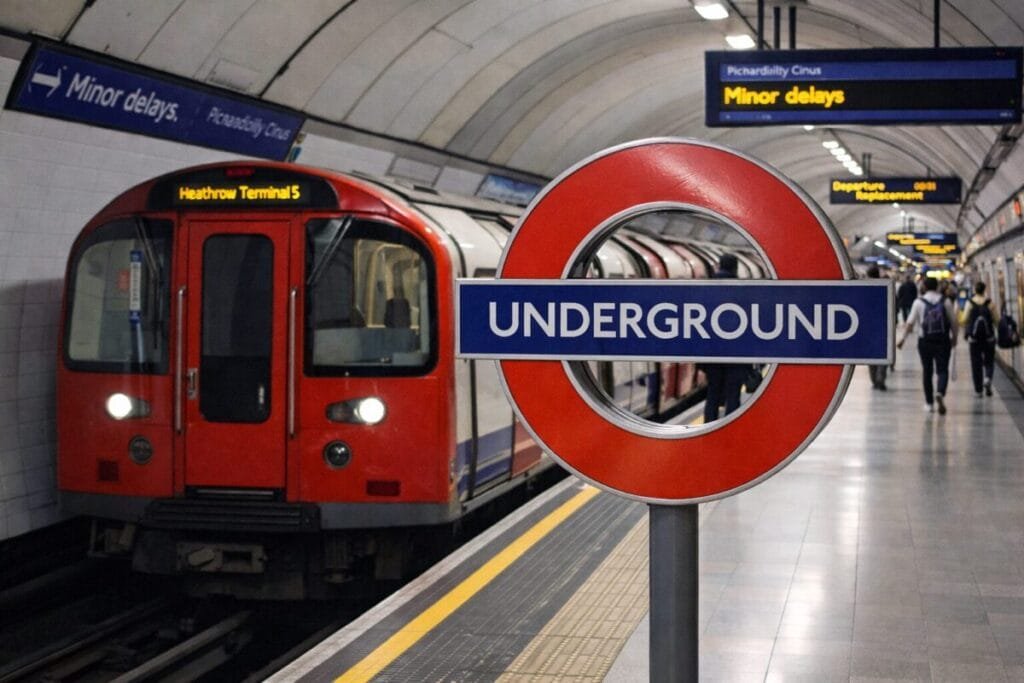
Minor delays were reported on the Piccadilly line due to train cancellations, causing slower service along one of London’s most vital transport corridors. The Piccadilly line connects Heathrow Airport with central London, West End destinations, and residential neighborhoods across the city, making it essential for daily commuters as well as international arrivals.
Passengers traveling during peak morning hours experienced longer wait times and crowded platforms as the reduced service frequency disrupted regular schedules. Travelers were encouraged to allow extra time for journeys, particularly those heading to Heathrow for flights or arriving in London for business or tourism.
Even minor delays on a major line can create ripple effects throughout the network, as passengers shift to alternative routes or interchange at busy stations, increasing congestion elsewhere.
East Croydon Branch Suspensions
Simultaneously, services on several branches serving East Croydon were suspended, affecting routes toward Beckenham Junction, Elmers End, and New Addington. These closures forced commuters to seek alternative transport options during one of the busiest periods of the day.
Replacement bus services were introduced to maintain connectivity between affected stations. However, not all stops were served by these buses, creating additional challenges for passengers unfamiliar with local transport options.
East Croydon is a major interchange linking South London with central business districts and national rail services. Disruptions in this area often have a wider impact on commuting patterns, particularly for workers traveling into central London offices or onward to other regions.
Planned Changes at Barons Court
In addition to unplanned disruptions, scheduled service adjustments also contributed to travel complications. Eastbound trains were not stopping at Barons Court station due to ongoing engineering works designed to maintain and upgrade infrastructure.
Passengers traveling eastbound from Barons Court were advised to board westbound services first and change at nearby stations such as Hammersmith to continue their journey. Those heading toward Barons Court were directed to travel beyond their destination before transferring back via westbound trains.
Although planned engineering works are typically announced in advance, they can still cause confusion, particularly for visitors unfamiliar with alternative routes or transfer procedures.
Impact on Business Travel
For business travelers, especially those commuting between South London and central commercial districts, the disruptions resulted in longer journey times and potential delays to meetings or appointments. Corporate travelers heading toward Heathrow Airport faced additional challenges, as the Piccadilly line is often a preferred option due to its direct connection between central London and the airport terminals.
Professionals navigating London’s business hubs were encouraged to check live service updates, consider National Rail alternatives, and allow buffer time for unexpected delays. Flexible planning has become increasingly important as transport networks adapt to ongoing maintenance and fluctuating passenger demand.
Challenges for Tourists and Visitors
Tourists visiting London also felt the effects of the morning disruptions. Many travelers rely heavily on the Piccadilly line for airport transfers and access to major attractions such as museums in Kensington, shopping districts in the West End, and iconic landmarks near Piccadilly Circus.
Visitors unfamiliar with the city’s extensive transport network may find sudden service changes confusing. Travel experts recommend downloading official journey-planning apps, monitoring station announcements, and checking live updates before departing from hotels or accommodations.
Despite the delays, most routes remained operational through alternative services, allowing travelers to continue exploring the city with some additional planning.
Practical Travel Tips During Disruption
Navigating London’s transport system during periods of disruption requires flexibility and awareness. Passengers were advised to consult real-time journey planners to identify alternative routes, allow at least 15 to 30 extra minutes during peak periods, and consider bus or National Rail options where available.
Contactless payment methods and Oyster cards remain essential for seamless transfers across different modes of transport, particularly when rerouting is required.
Listening to station announcements and following staff guidance can also help passengers adapt quickly to changing conditions.
Maintaining a Reliable Transport Network
Engineering works and service adjustments are a necessary part of maintaining one of the world’s oldest and most heavily used transit systems. Regular maintenance ensures safety, improves reliability, and prepares the network for future growth.
London’s transport authorities frequently schedule upgrades to modernize infrastructure, enhance accessibility, and support increasing passenger numbers. While such work can temporarily disrupt journeys, it plays a crucial role in ensuring long-term service quality.
Looking Ahead
As London continues to attract millions of visitors each year alongside a large daily commuting population, effective communication and flexible travel planning remain essential during periods of disruption. The combination of Piccadilly line delays, East Croydon service suspensions, and planned station changes underscores how quickly travel conditions can shift across a complex urban network.
For commuters, the morning disruptions required patience and adaptability. For tourists, they served as a reminder that even world-class transport systems experience occasional challenges. By staying informed and allowing extra time, travelers can continue navigating London efficiently, even when unexpected changes arise.
Ultimately, despite temporary setbacks, the city’s extensive transport infrastructure continues to offer multiple alternatives, ensuring that most journeys remain achievable with careful preparation and real-time information.
For more travel news like this, keep reading Global Travel Wire