Romania is taking a significant leap toward transforming its travel landscape with the introduction of advanced electric locomotives, marking a new chapter in Romania rail tourism. The initiative, supported by the country’s Railway Reform Authority, reflects a broader national strategy to modernise infrastructure, improve connectivity, and align with European transport standards. These developments are expected to enhance the overall visitor experience while positioning Romania as a more accessible and sustainable destination for both domestic and international travellers.
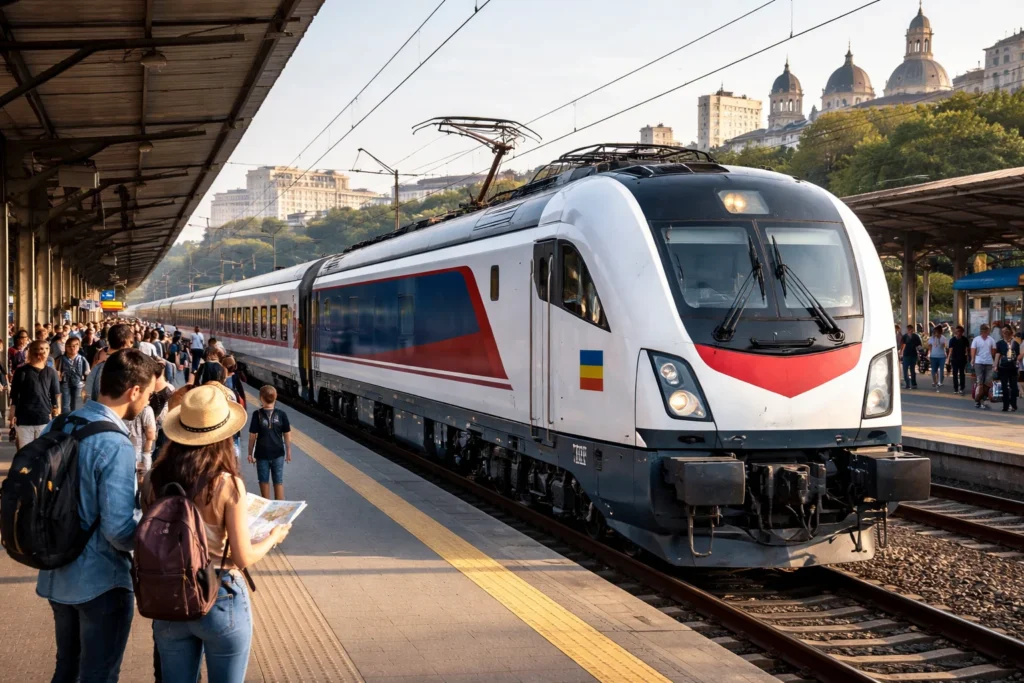
The newly delivered electric locomotives represent a modern generation of passenger rail technology designed to operate at speeds of up to 200 kilometres per hour. This advancement is set to reduce travel times between major cities and tourist regions, making rail journeys more appealing for visitors exploring Romania’s diverse landscapes. From historic towns and mountain resorts to cultural hubs and coastal destinations, faster connections will allow travellers to maximise their itineraries with greater convenience.
Romania’s Ministry of Transport and Infrastructure has consistently emphasised the importance of rail modernisation as part of its long-term mobility and tourism development plans. By investing in high-speed rail solutions, the government aims to strengthen the country’s position within the European rail network while supporting sustainable tourism growth. The introduction of these locomotives aligns with national commitments to reduce carbon emissions and encourage environmentally friendly modes of travel.
The programme includes the phased delivery of a fleet of 16 electric locomotives, with full rollout expected by 2026. Alongside the deployment, a comprehensive maintenance plan spanning two decades has been established to ensure operational reliability and long-term performance. This structured approach reflects a commitment to maintaining high service standards and delivering a consistent travel experience for passengers.
One of the key features of the new locomotives is their ability to haul up to 16 passenger coaches. This increased capacity is particularly beneficial for high-demand intercity routes, especially during peak travel seasons. For tourists, this translates into improved seat availability, reduced overcrowding, and a more comfortable journey overall. Enhanced capacity also supports the growth of group travel, which is an important segment in Romania’s tourism sector.
The locomotives are designed with a four-axle configuration and a fully suspended drive system, which helps minimise track wear and improves ride stability. These engineering advancements not only extend the lifespan of rail infrastructure but also contribute to smoother and quieter journeys. For travellers, the improved comfort and reduced noise levels enhance the appeal of rail as a preferred mode of transport.
A major highlight of the upgrade is the integration of the European Rail Traffic Management System (ERTMS). This advanced signalling technology enables seamless interoperability with other European rail networks that follow the same standards. For international tourists, this means easier cross-border travel and better connectivity with neighbouring countries. It also enhances safety by allowing continuous communication between trains and trackside systems, ensuring more efficient traffic management.
The adoption of modern signalling systems is expected to improve punctuality and optimise network capacity. Reliable schedules are a critical factor in tourism, as they allow visitors to plan their journeys with confidence. By reducing delays and improving operational efficiency, Romania is strengthening its reputation as a tourist-friendly destination with dependable transport infrastructure.
Sustainability is at the core of this rail modernisation effort. Electric locomotives produce significantly lower emissions compared to traditional diesel-powered trains, supporting Romania’s environmental goals and contributing to cleaner air. The shift toward electrified rail transport is also aligned with broader European Union policies promoting green mobility and sustainable tourism practices.
Tourism authorities have highlighted that improved rail services can encourage travellers to choose trains over cars or short-haul flights. This modal shift not only reduces environmental impact but also enhances the overall travel experience. Scenic rail routes, comfortable seating, and efficient connections make train travel an attractive option for exploring Romania’s natural and cultural attractions.
The modernisation of rail infrastructure is also expected to have a positive economic impact on regional tourism. Better connectivity can drive visitor numbers to less-explored destinations, supporting local businesses and communities. Smaller towns and rural areas, often rich in heritage and natural beauty, stand to benefit from increased accessibility and tourism-driven revenue.
As Romania continues to invest in its transport network, the introduction of high-speed electric locomotives signals a strong commitment to innovation and sustainability. The initiative not only improves mobility for residents but also enhances the country’s appeal as a modern and environmentally conscious travel destination.
With faster journeys, improved comfort, and seamless connectivity, Romania rail tourism is entering a new era. Travellers can look forward to a more efficient and enjoyable way to explore the country, while the nation moves closer to its vision of a sustainable and integrated transport system.