The global tourism industry is increasingly shifting its focus toward the night-time economy, as official tourism data and industry insights reveal that a significant portion of visitor spending occurs after sunset. Cities like Ho Chi Minh City are leading this transformation by exploring new strategies to enhance night-time experiences, improve service delivery, and maximize tourism revenue.
According to tourism development discussions held during the Ho Chi Minh City Tourism Festival 2026, approximately 70 percent of tourism-related spending is generated through night-time activities. These include dining, entertainment, shopping, accommodation, and transportation services. This trend highlights a growing opportunity for destinations to expand their offerings beyond traditional daytime sightseeing.
Government tourism authorities in Vietnam have reported strong growth in both international and domestic travel. Recent projections indicate that the country is welcoming millions of international visitors annually, alongside a substantial number of domestic travelers. This growth is contributing significantly to the national economy, with tourism emerging as a key driver of economic development.
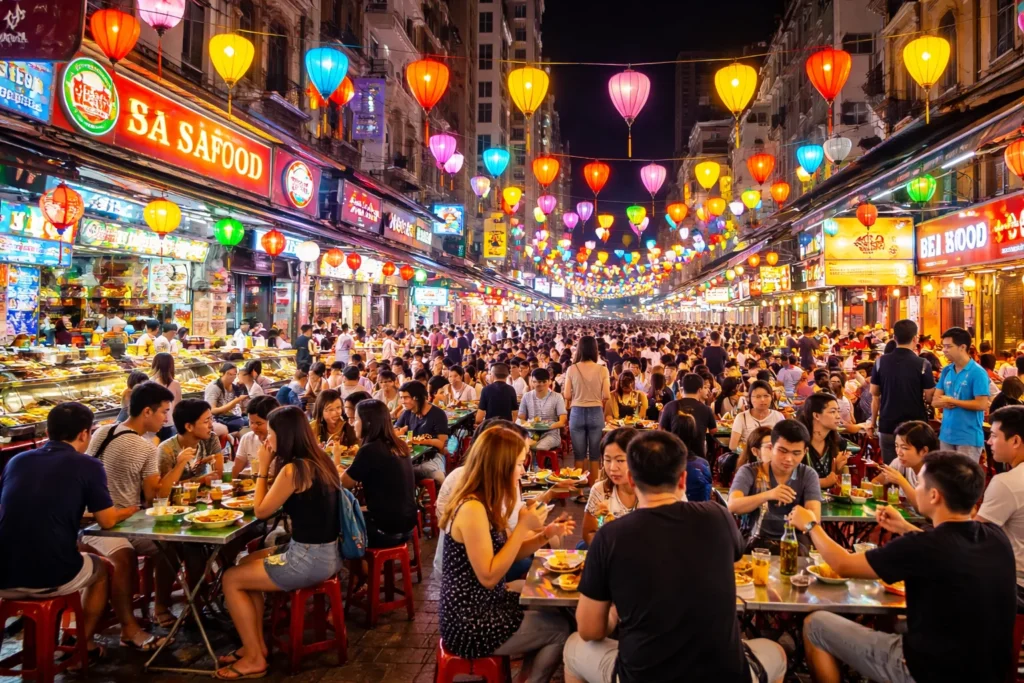
Industry experts have emphasized that while tourists spend much of their daytime exploring landmarks and cultural attractions, their highest levels of spending occur in the evening. Night markets, cultural performances, entertainment venues, and dining experiences are among the primary contributors to this trend. These activities not only generate revenue but also enhance the overall visitor experience.
The concept of the night-time economy revolves around four key areas: food, entertainment, accommodation, and transportation. Each of these sectors plays a crucial role in shaping how tourists engage with a destination after dark. By developing these areas strategically, cities can create a more vibrant and dynamic tourism environment.
Ho Chi Minh City has been actively promoting its night-time economy through festivals, events, and infrastructure improvements. Tourism authorities have recognized the need to diversify offerings and provide visitors with a wide range of activities that extend beyond daylight hours. This approach aligns with broader government strategies aimed at boosting tourism competitiveness and increasing visitor spending.
However, industry leaders have also highlighted challenges in implementing these strategies effectively. One of the key issues is the gap between innovative ideas and practical execution. While technology has the potential to transform tourism operations, its success depends on the ability to address real-world challenges.
Experts have pointed out that technology must be designed to handle unexpected situations and operational complexities. For example, ensuring seamless airport transfers, providing reliable customer support, and managing late-night services are critical factors in delivering a positive турист experience. Without effective solutions to these challenges, even the most advanced technological systems may fall short.
The integration of technology into tourism operations is becoming increasingly important. Tools such as data analytics, artificial intelligence, and automation are being used to optimize business processes, reduce costs, and enhance service quality. Government initiatives are encouraging the adoption of these technologies to improve efficiency and competitiveness within the tourism sector.
From a business perspective, the goal is to balance cost management with revenue generation. By leveraging technology, tourism businesses can streamline operations and reduce expenses while maintaining high standards of service. This approach not only improves profitability but also contributes to a better experience for visitors.
Tourism authorities have emphasized the importance of a structured approach to innovation. This includes focusing on three key elements: people, processes, and technology. Skilled personnel, efficient operational systems, and the effective use of technology are all essential components of a successful tourism strategy.
Startups and technology providers are playing a growing role in this transformation. By working closely with tourism businesses, they can identify operational challenges and develop solutions tailored to specific needs. This collaboration is essential in ensuring that technological innovations deliver tangible benefits.
The night-time economy also has broader implications for urban development. Cities that invest in night-time infrastructure, safety measures, and cultural programming can create more attractive environments for both tourists and residents. This contributes to a more sustainable and inclusive tourism model.
In addition to economic benefits, the expansion of night-time tourism can enhance a destination’s global image. Vibrant nightlife, cultural events, and diverse entertainment options can position a city as a must-visit destination, attracting a wider range of travelers.
Looking ahead, the continued growth of the night-time economy is expected to play a key role in shaping the future of tourism. Governments and industry stakeholders are working to develop policies and strategies that support this trend while ensuring sustainability and quality.
Ho Chi Minh City’s focus on innovation and night-time tourism reflects a broader shift in global travel behavior. As tourists seek more immersive and engaging experiences, destinations must adapt to meet these expectations. By investing in infrastructure, technology, and creative programming, cities can unlock the full potential of their tourism sectors.
Ultimately, the rise of night-time economy tourism represents a significant opportunity for destinations worldwide. By understanding visitor behavior and leveraging innovation, the tourism industry can create more dynamic experiences, drive economic growth, and enhance the overall appeal of travel destinations.