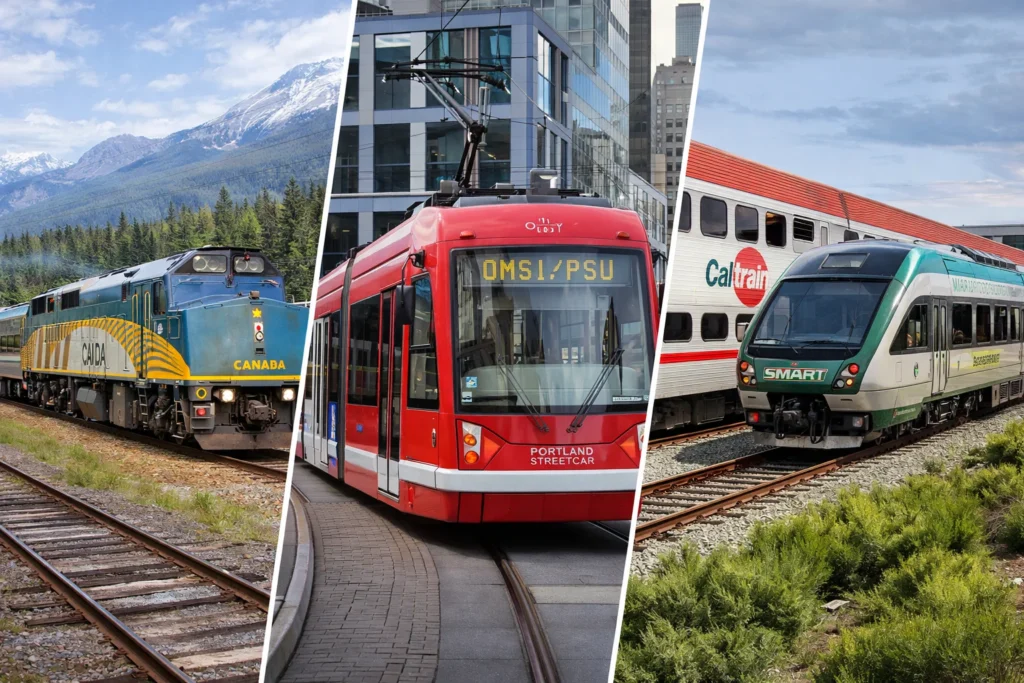
Rail travel across North America is undergoing significant transformation. Governments and transport agencies are investing in infrastructure, services, and connectivity to improve tourism and mobility.
Recent developments in Canada and the United States highlight a strong focus on modernising rail systems. These efforts aim to enhance passenger comfort, increase capacity, and support growing travel demand.
From long-distance train upgrades in Canada to expanded urban transit systems in the United States, the changes are reshaping how travellers explore key destinations.
VIA Rail Modernization Enhances Long-Distance Travel Experience
Canada’s national passenger rail operator has launched a major modernization program. The initiative focuses on upgrading sleeper cars used on iconic long-distance routes.
The investment, valued at approximately C$150 million, will improve interiors and onboard systems across the fleet. The upgrades will be carried out over several years as part of a broader strategy to enhance passenger experience.
Officials emphasize that the improvements will increase comfort and reliability for travellers. These routes are popular among tourists seeking scenic journeys across Canada’s landscapes.
The program also supports economic development by creating skilled jobs in engineering and manufacturing. It reinforces Canada’s commitment to maintaining strong rail capabilities.
Long-distance rail travel remains a key attraction for visitors. Enhanced services are expected to boost tourism by offering more comfortable and memorable journeys.
Portland Streetcar Expansion Supports Urban Tourism Growth
In the United States, Portland is expanding its streetcar network to support urban mobility. The city has ordered new vehicles equipped with advanced technology, including battery systems for off-wire operation.
The new streetcars will replace older vehicles that have served the city for over two decades. Authorities expect the upgrade to improve reliability, safety, and passenger comfort.
The expansion will extend services to new areas, including Montgomery Park. This project is scheduled to begin construction in the coming years, with operations expected by the end of the decade.
Portland’s streetcar system connects key districts such as downtown, waterfront areas, and cultural hubs. Improved services will make it easier for tourists to explore the city.
Modern streetcars with enhanced accessibility features also support inclusive travel. This aligns with broader tourism goals of welcoming diverse visitor groups.
Caltrain Faces Funding Challenges Impacting Travel Services
While some regions are expanding services, others face financial challenges. California’s Caltrain system has outlined potential service reductions due to funding gaps.
Officials warn that without new financial support, the system may need to reduce operations. Proposed changes include fewer stations, limited service hours, and reduced frequency.
These adjustments could impact thousands of daily passengers and visitors. Caltrain serves a key corridor connecting major destinations in the San Francisco Bay Area.
Authorities are exploring funding solutions, including regional measures that could support long-term operations. The outcome will play a crucial role in maintaining reliable transport for residents and tourists.
The situation reflects broader challenges in public transport funding. Changing travel patterns and rising operational costs are affecting systems across the region.
SMART Expansion Improves Regional Connectivity in California
In Northern California, coordinated transit improvements are set to enhance connectivity. Multiple transport agencies are working together to create a more integrated network along the Highway 101 corridor.
The initiative focuses on increasing service frequency and improving connections between trains and buses. The goal is to create a seamless travel experience across Marin and Sonoma counties.
The Sonoma-Marin Area Rail Transit system will expand services with more frequent trains and extended operating hours. These changes aim to close service gaps and improve access throughout the day.
Improved connections with regional bus services will also enhance first- and last-mile travel. This makes it easier for visitors to reach destinations across the region.
Officials highlight that coordinated schedules and better transfer options will support higher ridership. The plan also strengthens links to San Francisco, a major tourism hub.
Tourism Impact of Rail Investments Across North America
Rail infrastructure plays a vital role in tourism development. Improved services make destinations more accessible and enhance the overall travel experience.
In Canada, upgraded long-distance trains offer scenic journeys that attract international visitors. In the United States, urban and regional transit systems support city exploration and regional travel.
Efficient rail networks reduce travel time and improve convenience. This encourages tourists to visit multiple destinations within a single trip.
Sustainable transport is another key benefit. Rail systems provide an environmentally friendly alternative to road travel, aligning with global tourism trends.
Future Outlook for Rail-Based Tourism
North America’s investment in rail infrastructure signals a long-term commitment to modern mobility. Governments and agencies continue to focus on improving connectivity and passenger experience.
While challenges such as funding gaps remain, ongoing projects demonstrate strong momentum in the sector.
As rail networks expand and modernize, they will play an increasingly important role in tourism. Travellers can expect more efficient, comfortable, and connected journeys across the continent.
These developments position rail travel as a key component of future tourism strategies, supporting both economic growth and sustainable travel experiences.