
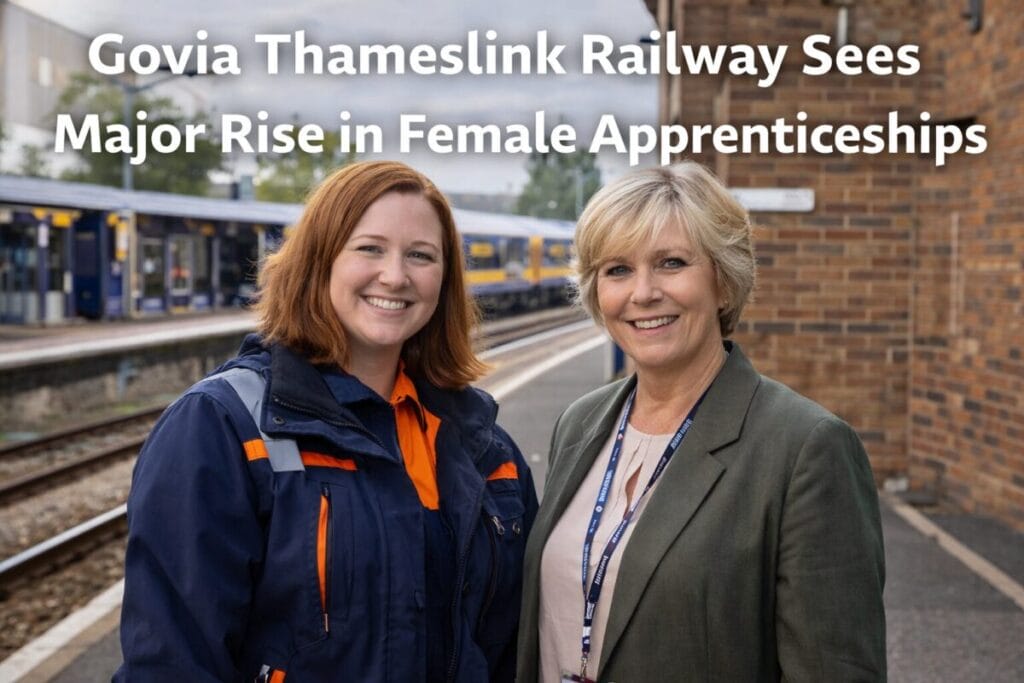
The UK rail industry is witnessing a significant shift toward greater diversity as Govia Thameslink Railway (GTR) announces a substantial increase in female apprenticeships for 2025. Ahead of National Apprenticeship Week, the company revealed that 106 women joined its apprenticeship programs this year, representing a 49 percent increase compared with the previous intake. The milestone reflects broader changes within the rail sector as operators strive to create more inclusive workplaces while attracting new talent to meet future transport demands.
As the largest rail operator in the United Kingdom, GTR plays a major role in shaping workforce trends across the industry. Its growing investment in apprenticeship schemes demonstrates a strategic focus on skills development, leadership training, and improving gender balance in a field traditionally dominated by men.
Rising Interest in Women’s Careers in Rail
The rise in female apprentices highlights a changing perception of railway careers, with more women viewing the industry as a viable and rewarding professional path. In recent years, transport organizations across Europe have worked to remove barriers that historically limited women’s participation, introducing mentoring programs, flexible career pathways, and targeted training initiatives.
GTR reported that the 2025 intake included the highest number of female applicants in five years for its Team Leader and Supervisor apprenticeship programs. This increase suggests growing awareness of opportunities in rail operations, engineering, customer service, and leadership roles. Apprenticeships allow participants to gain industry-recognized qualifications while earning a salary, making them an attractive option for career changers and early-career professionals alike.
Expanding Leadership Opportunities for Women
A key element of GTR’s strategy involves developing future leaders through specialized training programs. The introduction of Women in Leadership apprenticeships at Levels 3 and 5 represents a targeted effort to support career progression for female employees. These programs focus on building management skills, confidence, and professional networks that can help women advance into supervisory and senior roles.
Leadership development initiatives are becoming increasingly important as rail companies prepare for modernization projects, digital transformation, and sustainability targets. By nurturing diverse leadership pipelines, operators aim to ensure that future decision-makers reflect the varied communities they serve.
Progress Toward Diversity Goals
The increase in female apprenticeships also marks a significant step toward GTR’s diversity objectives. Women now account for approximately 27 percent of apprenticeship starters, surpassing the company’s earlier goal of reaching at least 20 percent female participation.
Overall, apprenticeship numbers have expanded dramatically, growing from 240 new recruits in 2021 to 420 in 2025. This 75 percent growth highlights the company’s commitment to workforce development and underscores the importance of apprenticeships as a pathway into the rail industry.
Expanding apprenticeship programs serves multiple purposes. It helps address skill shortages, supports workforce renewal as experienced staff retire, and introduces fresh perspectives into an industry undergoing rapid technological and cultural change.
A Personal Journey Reflecting Industry Transformation
Individual success stories illustrate the impact of apprenticeship programs on career development. Participants often enter the rail sector from diverse backgrounds, using structured training opportunities to transition into technical or leadership roles.
One example is an apprentice who shifted from administrative work into property maintenance and operations, demonstrating how apprenticeships can open doors to entirely new career paths. Training modules covering leadership, project management, and communication skills help participants build confidence and develop practical expertise.
Such journeys highlight the transformative potential of apprenticeships, particularly for individuals who may have previously faced barriers to career advancement.
Industry Context and Broader Trends
Across the UK and Europe, rail operators are increasingly focused on improving diversity and inclusion. Government transport strategies and industry initiatives encourage greater representation of women and underrepresented groups to strengthen innovation and workforce resilience.
The rail sector is evolving rapidly, with investments in electrification, sustainable infrastructure, and digital ticketing systems requiring a workforce equipped with new skills. Apprenticeships play a critical role in preparing employees for these changes by combining hands-on experience with structured learning.
Greater gender diversity is also linked to improved organizational performance. Research across industries suggests that diverse teams contribute to stronger problem-solving, increased creativity, and better decision-making outcomes.
Building a Future-Ready Workforce
GTR currently offers 19 apprenticeship pathways covering areas such as engineering, customer operations, leadership development, and technical maintenance. These programs are designed not only for new entrants but also for existing employees seeking to upskill or transition into new roles.
By providing continuous learning opportunities, the company aims to create a culture where professional development is accessible at every career stage. This approach aligns with broader workforce strategies focused on retention, engagement, and long-term growth.
As more women participate in apprenticeship programs, the rail industry moves closer to achieving balanced representation. Encouraging diversity helps ensure that railway services are designed and delivered by teams that understand the needs of a wide range of passengers.
Looking Ahead
The increase in female apprenticeships at Govia Thameslink Railway reflects a wider transformation underway within the rail sector. As transport networks expand and modernize, the industry recognizes the importance of attracting talent from diverse backgrounds to sustain innovation and operational excellence.
National Apprenticeship Week provides an opportunity to celebrate progress while highlighting the ongoing need for inclusive initiatives that encourage participation from all sections of society. With continued investment in training and leadership development, the rail industry is positioning itself to meet future challenges while fostering a workforce that is more representative, skilled, and resilient.
For aspiring professionals, the message is clear: the railway sector is evolving, offering new pathways for growth, leadership, and meaningful careers in one of the UK’s most vital transportation industries.
For more travel news like this, keep reading Global Travel Wire