Greenland’s tourism industry is facing a defining moment as the promise of unprecedented access collides with global geopolitical uncertainty. Once riding a wave of increased international interest, this vast Arctic destination now sees travel bookings slow as visitors weigh headlines and politics more heavily in their planning. Despite strategic infrastructure investments and the unchanging lure of dramatic ice landscapes, Indigenous culture, and once-in-a-lifetime wilderness experiences, tourism momentum in Greenland is at a delicate inflection point.
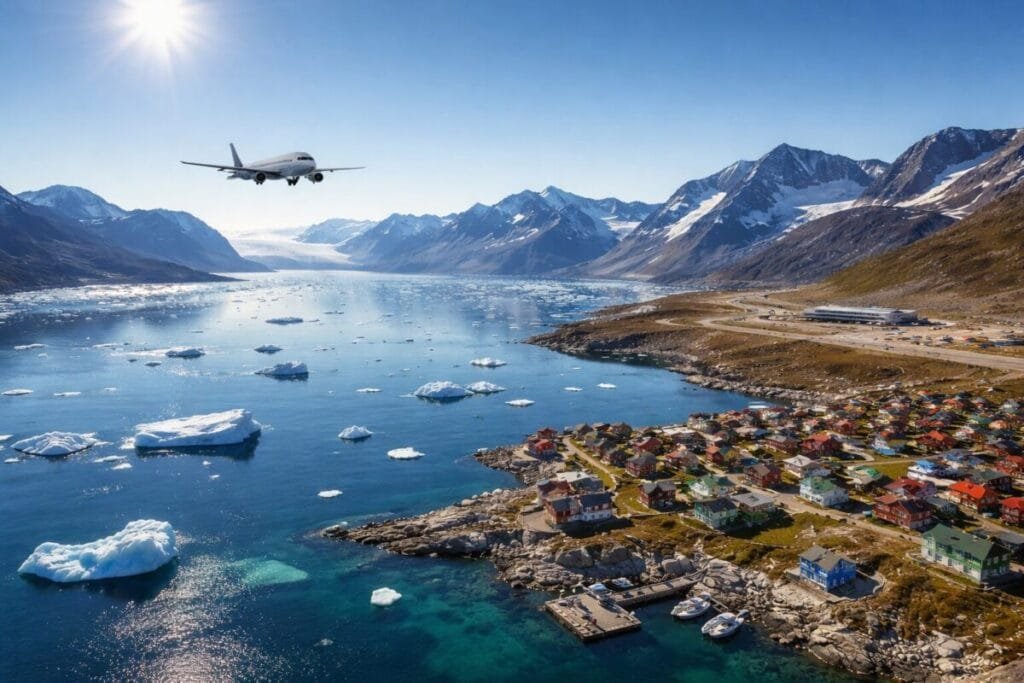
This year was meant to mark a new era for Greenland’s visitor economy. With the opening of a major international airport in Nuuk and the upcoming launch of additional international gateways, the Arctic island has been transforming how the world connects to its unique natural and cultural offerings. For decades, travel to Greenland was constrained by limited flight options, long transit times, and complex routing through distant hubs. These barriers have historically kept Greenland on the periphery of mainstream global tourism.
Now, with direct flights from North America and expanded access from Europe, Greenland is finally within easier reach for a broader range of travellers. The intention behind these investments is clear: to encourage longer stays, support higher tourism spending, and distribute visitors across seasons and regions, rather than concentrate them in short peak windows. Local tourism leaders have long championed this shift as essential for sustainable economic growth across coastal communities that depend on tourism revenue.
However, the optimism accompanying these developments has been tempered by a shift in traveller sentiment. In recent months, many prospective visitors have paused trip planning or deferred bookings, not because conditions in Greenland have changed, but because uncertainty rooted in global political narratives has made them hesitant. In an industry where perception and confidence are as critical as flight schedules and hotel availability, this shift has had a tangible impact.
Tour operators and travel agencies have reported a noticeable downturn in inquiries and confirmed reservations for upcoming seasons, contrasting sharply with the robust interest seen in the period prior. The consequence has been a slowdown in forward momentum that many had hoped would continue unabated after several years of growth.
The irony of the situation is striking. Just as Greenland becomes easier to reach than ever before, prospective visitors are choosing to rethink or postpone travel plans. While on-the-ground experiences remain as captivating as always, external narratives are influencing decisions far from the Arctic Circle. For many, Greenland still feels remote and unfamiliar, and any suggestion of instability—even if unfounded—can loom large in travel decision-making.
This disconnect between reality and perception poses a unique challenge for the tourism sector. Greenland remains one of the most peaceful and welcoming destinations imaginable: daily life continues as usual, communities remain open to visitors, and tours and flights operate on schedule. From the towering icebergs that calve into silent fjords to the mesmerising dance of the aurora borealis across winter skies, the natural wonders that draw adventurous travellers have not diminished.
Indigenous Inuit culture continues to thrive, offering visitors profound insights into a way of life shaped by one of the planet’s most extraordinary environments. Small coastal towns boast rich storytelling traditions, art, and cuisine that reflect centuries of adaptation to Arctic conditions. All of these components remain powerful draws for international visitors seeking authenticity beyond the typical travel experience.
Yet convincing travellers of these enduring realities requires strategic communication. Tourism stakeholders in Greenland have recognised the need to reclaim the narrative around their destination, emphasising the peaceful, stable, and welcoming character of the island while highlighting the extraordinary experiences that await visitors. Clear, consistent messaging is central to shifting perceptions that have been influenced by political noise rather than travel realities.
Local tourism boards, operators, and community leaders are increasingly focused on amplifying positive stories about Greenland—the stories that first ignited widespread curiosity and prompted so many to reconsider an Arctic adventure. They are encouraging travellers to look beyond headlines and to engage directly with the voices and experiences of residents who know Greenland best.
At the same time, the new airports represent more than just improved infrastructure; they embody a strategic bet on the future of Greenland tourism. Direct access from key source markets reduces travel friction, allowing travellers to consider Greenland on par with other remote, bucket-list destinations. The anticipated airports scheduled to begin operations this year are expected to further reduce travel times and connect more cities directly with Greenland’s dramatic landscapes.
Those investments will benefit not only inbound tourism but also local communities seeking expanded economic opportunities. Tourism has become an increasingly important part of Greenland’s broader economic strategy, creating jobs, fostering cultural exchange, and supporting small businesses from guesthouses to guiding services.
Whether Greenland’s current tourism slowdown is temporary or more enduring will depend on many factors, including global travel trends, media narratives, and broader geopolitical developments. What is clear, however, is that the destination itself remains unchanged in its appeal. The ice caps still shimmer under Arctic light, wildlife thrives in vast tundra and ocean ecosystems, and the deep cultural heritage of Greenland’s Indigenous peoples continues to enrich every visitor’s journey.
Analysts in the travel sector generally anticipate that confidence will eventually catch up with the realities on the ground. Historically, tourism markets have rebounded from external shocks when travellers rediscover the genuine qualities that first attracted them. For Greenland, that means the unmatched sense of awe and wonder that comes from exploring one of the world’s last great wilderness destinations.
In the meantime, the industry’s focus remains on reassuring travellers that Greenland is ready and waiting: airports open, communities prepared, and experiences intact. The challenge lies not in what the destination offers—because that has always been extraordinary—but in ensuring that global perception aligns with the true essence of Arctic travel. As Greenland navigates this critical moment, its tourism sector is poised between evolving access and evolving sentiment, hoping that the world’s curiosity will soon translate once more into confident journeys to the top of the world.
For more travel news like this, keep reading Global Travel Wire