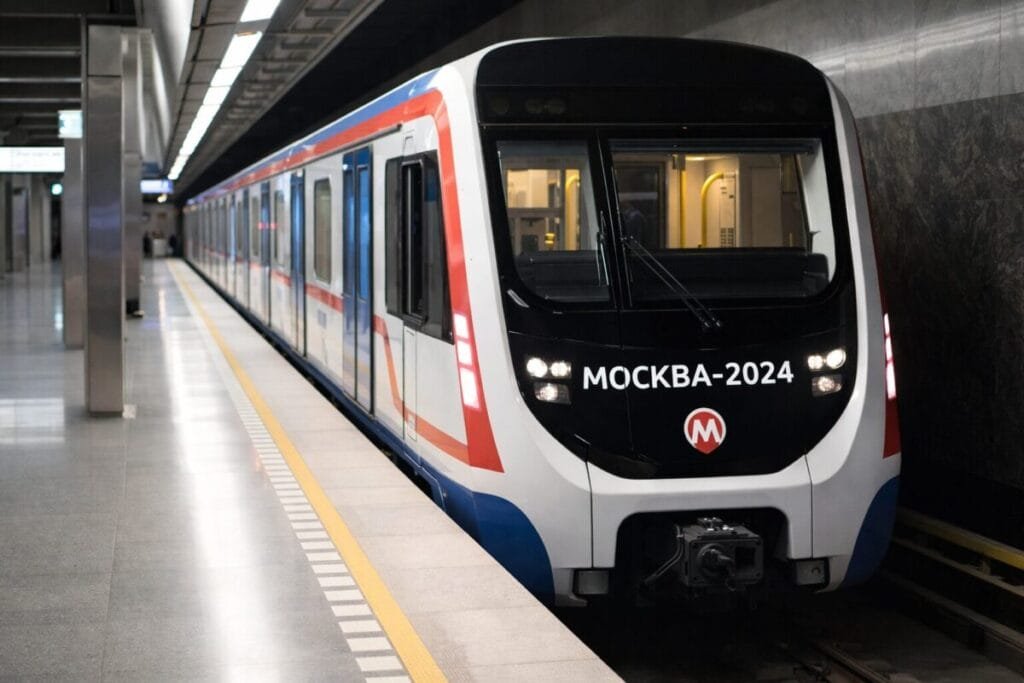
Moscow is entering a new era of urban mobility as its metro system begins testing driverless train technology on the Big Circle Line, signaling a major transformation in public transportation. The ambitious initiative aims to introduce autonomous metro services within the coming years, positioning the Russian capital among global cities adopting advanced automation to improve efficiency, safety, and passenger experience.
The project reflects a broader trend in international transportation, where cities are investing heavily in intelligent systems designed to streamline operations and reduce human intervention while maintaining strict safety standards. Moscow’s approach highlights how automation could reshape the future of urban transit, offering faster, more reliable journeys for both residents and visitors.
Testing Phase Focuses on Safety and Precision
The driverless train, currently undergoing trials without passengers, represents the first stage of a multi-year rollout plan. During testing, an onboard operator monitors system performance to ensure safe operation as engineers refine the technology. Key functions being evaluated include automatic acceleration, braking, route navigation, and precise speed control.
The train is equipped with advanced sensors and machine vision systems capable of detecting obstacles, identifying potential hazards, and responding instantly to unexpected situations. Real-time communication between the train and a central dispatch center allows operators to monitor performance continuously and intervene if necessary.
These trials are designed to ensure that autonomous trains can safely operate alongside traditional metro services, maintaining the tight schedules that define Moscow’s busy transit network. Engineers are conducting extensive simulations and live tests to verify that the system meets strict safety and reliability requirements before passenger service begins.
Introducing the Moskva-2024 Autonomous Train
The prototype train, known as the Moskva-2024, showcases significant technological innovation. A notable aspect of the project is the emphasis on local manufacturing, with most components produced domestically. This approach supports national industrial capabilities while ensuring compatibility with existing metro infrastructure.
Autonomous systems integrated into the train rely on artificial intelligence and advanced data processing to manage operations independently. These technologies enable precise route management, energy-efficient driving patterns, and smoother acceleration, contributing to a more comfortable travel experience for future passengers.
The development of the software platform behind the train has been led by specialized research teams focused on autonomous transport solutions. Their work builds on advancements already seen in driverless buses and other automated mobility systems worldwide.
Timeline for Passenger Service and Full Automation
According to current plans, testing will continue throughout 2026, allowing engineers to gather performance data and optimize the system. Passenger service is expected to begin gradually once safety benchmarks are achieved, potentially introducing autonomous trains into regular operations within a few years.
The long-term goal is to create a fully autonomous metro line by 2030, where trains operate without onboard drivers. This transition will occur in stages, ensuring that each phase of deployment meets operational standards before moving forward.
The phased rollout allows authorities to maintain reliability while adapting infrastructure and training staff to work alongside automated systems.
Benefits for Urban Mobility and Tourism
Autonomous metro technology has the potential to deliver significant advantages for urban transport networks. One of the primary benefits is improved operational efficiency, as automated systems can maintain consistent speeds, optimize schedules, and reduce delays caused by human error.
Enhanced safety is another key objective. Advanced sensors and monitoring systems provide continuous oversight, allowing the train to react quickly to unexpected situations. By minimizing manual intervention, autonomous trains aim to reduce the risk of accidents while maintaining smooth operations.
Energy efficiency also plays an important role in the project. Automated driving systems can optimize acceleration and braking patterns to reduce energy consumption, supporting sustainability goals and lowering operating costs.
For tourists visiting Moscow, improved metro performance could mean faster travel between attractions, less waiting time, and a more seamless experience navigating the city. The Big Circle Line, which connects multiple districts and transit hubs, is particularly significant for enhancing accessibility across the capital.
A Global Trend Toward Automated Transport
Moscow’s driverless metro initiative aligns with global efforts to modernize urban transportation. Cities across Asia, Europe, and the Middle East are exploring autonomous rail technology as part of broader smart city strategies. Automated systems promise to address challenges such as urban congestion, rising demand for public transit, and environmental concerns.
By adopting automation, metro systems can increase capacity without major infrastructure expansions, improving service reliability while controlling costs. The integration of artificial intelligence and real-time data analysis also enables better traffic management across entire networks.
Setting a Model for Future Cities
Moscow’s vision extends beyond improving local transportation. The city aims to demonstrate how advanced technology can transform public transit systems into smarter, more efficient networks. If successful, the project could serve as a model for other metropolitan areas seeking to modernize aging infrastructure and enhance urban mobility.
Future developments may include fully integrated autonomous transport systems, where driverless trains connect seamlessly with self-driving buses and other smart mobility solutions. Such innovations could redefine how people move within cities, offering safer, more sustainable alternatives to private vehicles.
A New Chapter in Urban Transportation
As testing progresses, Moscow’s driverless metro project represents a significant milestone in the evolution of rail travel. The combination of advanced automation, local technological innovation, and long-term planning highlights a shift toward smarter transportation systems capable of meeting the needs of modern cities.
With passenger operations anticipated in the coming years and full autonomy targeted by 2030, Moscow is positioning itself at the forefront of next-generation urban mobility, signaling a future where efficient, automated metro systems play a central role in shaping how cities function and how travelers experience them.
For more travel news like this, keep reading Global Travel Wire