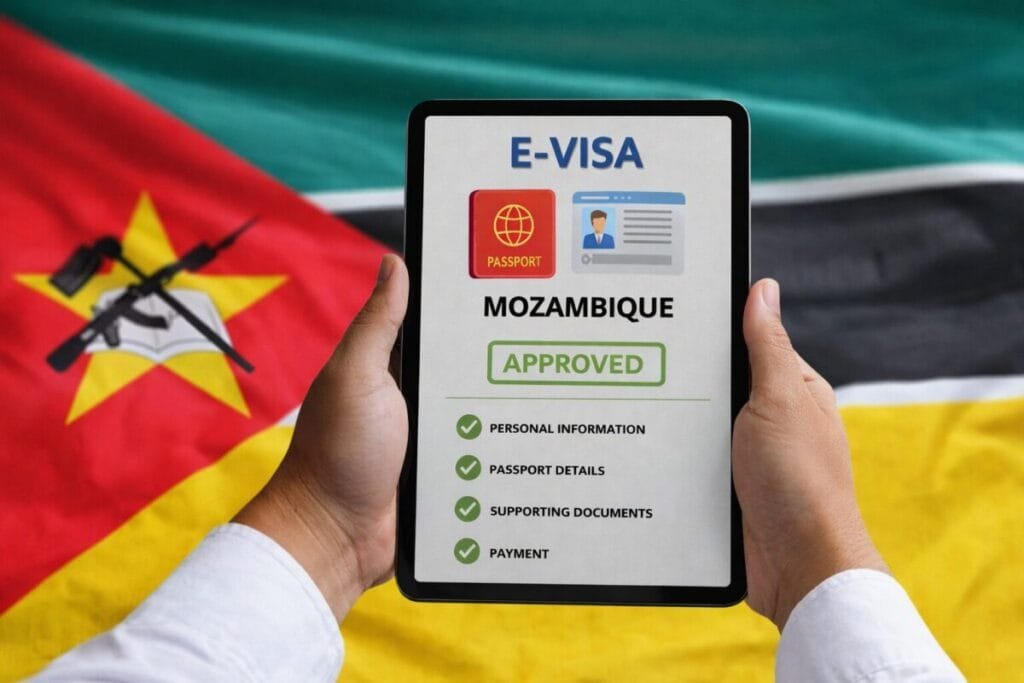
Mozambique has taken a major step toward modernizing its travel entry system with the launch of a new digital e-Visa platform, allowing travelers from 183 countries to apply online before arriving. The initiative reflects a growing global trend toward streamlined visa processes designed to reduce administrative barriers and improve accessibility for international visitors.
Countries such as Sri Lanka, India, Kenya, Turkey, Australia, Zimbabwe, the United Arab Emirates, Egypt, Bahrain, Thailand, and several others are among those benefiting from the new system. By offering a fully digital application process, Mozambique aims to simplify travel planning, attract more tourists, and strengthen its position as a leading destination in southern Africa.
Tourism experts view the move as part of a broader strategy to boost international arrivals while aligning with global best practices in digital transformation and travel facilitation.
Digital Transformation Enhances Efficiency and Convenience
The newly introduced e-Visa system represents a shift away from traditional embassy-based applications. Travelers can now submit required documents online, complete payments digitally, and receive pre-approved travel authorization before departure. This reduces waiting times and removes the need for in-person visits to diplomatic offices.
The platform is designed to support multiple visa categories, reflecting the diverse reasons people visit Mozambique. These include tourist visas, business travel permits, cultural and sports participation visas, humanitarian travel permissions, and specialized visas for professional sectors such as maritime crew or energy industry workers.
Automation features, secure data handling, and mobile-friendly interfaces are integrated into the system, ensuring that applicants can complete the process from anywhere in the world using smartphones, tablets, or computers.
Simplified Application Process Aims to Attract Global Travelers
The e-Visa application process is structured around a straightforward multi-step system. Travelers begin by selecting the appropriate visa category and providing personal information, followed by uploading supporting documentation such as passport scans and photographs. Secure online payment options complete the application, and approved travelers receive their digital visa via email prior to travel.
By focusing on ease of use and transparency, Mozambique seeks to encourage travelers who may previously have found the visa process complicated or time-consuming. Faster approvals and digital documentation also reduce uncertainty for travelers planning last-minute trips or complex itineraries.
Industry observers believe that simplifying entry procedures is increasingly critical as competition grows among destinations seeking to attract international tourism.
Expanding Eligibility Reflects Growing Global Connectivity
The new digital visa framework extends eligibility to travelers from a wide range of regions, including Europe, Asia, the Middle East, North America, and Africa. Certain countries maintain visa exemptions based on diplomatic agreements, while others can apply through electronic travel authorization systems for short stays.
The inclusion of major source markets such as India, the United States, Japan, South Korea, and European nations highlights Mozambique’s ambition to diversify visitor demographics and attract long-haul travelers. Tourism authorities aim to encourage not only leisure tourism but also investment, cultural exchanges, and international collaboration.
Expanding eligibility is expected to increase visitor numbers while strengthening Mozambique’s ties with global travel networks.
Boosting Tourism to Mozambique’s Natural and Cultural Attractions
Mozambique is known for its extensive coastline along the Indian Ocean, featuring coral reefs, pristine beaches, and rich marine biodiversity. The country’s tourism appeal includes diving destinations, island resorts, wildlife conservation areas, and cultural heritage influenced by African, Portuguese, and Arab traditions.
Gorongosa National Park, often celebrated for its ecological restoration efforts, attracts wildlife enthusiasts seeking safari experiences in a less crowded setting. Coastal regions such as the Bazaruto Archipelago draw divers and nature lovers with turquoise waters and vibrant marine ecosystems.
By simplifying travel requirements, the e-Visa system makes it easier for international visitors to explore these destinations and contributes to the growth of sustainable tourism initiatives.
Economic Impact and Industry Opportunities
The launch of a digital visa system is expected to generate economic benefits beyond tourism. Easier entry procedures can support business travel, conferences, and investment opportunities, helping to strengthen Mozambique’s position as an emerging hub for regional development.
Hospitality providers, tour operators, and local communities are likely to benefit from increased visitor numbers and extended stays. Additionally, digital systems reduce administrative workload and improve border management efficiency, creating a more streamlined experience for both travelers and immigration authorities.
Countries that have implemented similar systems often report increased visitor confidence and stronger global visibility.
Aligning with Global Travel Trends
The adoption of e-Visa technology reflects a broader shift in international travel policy, where digital solutions are becoming standard practice. Travelers increasingly expect seamless planning tools, contactless processes, and rapid approvals when selecting destinations.
By joining nations that prioritize technology-driven travel solutions, Mozambique positions itself alongside forward-thinking destinations focused on accessibility and innovation. Digital visa systems also align with post-pandemic travel preferences, where flexibility and convenience play a significant role in decision-making.
A New Era for Travel to Mozambique
The introduction of the digital e-Visa marks an important milestone for Mozambique’s tourism strategy, signaling a commitment to modernization and global connectivity. With simplified application processes, expanded eligibility, and a focus on sustainable tourism growth, the country is poised to attract a broader range of visitors in the coming years.
As international travelers seek new destinations offering unique cultural and natural experiences, Mozambique’s enhanced accessibility could play a key role in shaping future tourism trends. The digital e-Visa system not only reduces travel barriers but also positions the country as an increasingly competitive destination within Africa’s growing tourism landscape.
For more travel news like this, keep reading Global Travel Wire