



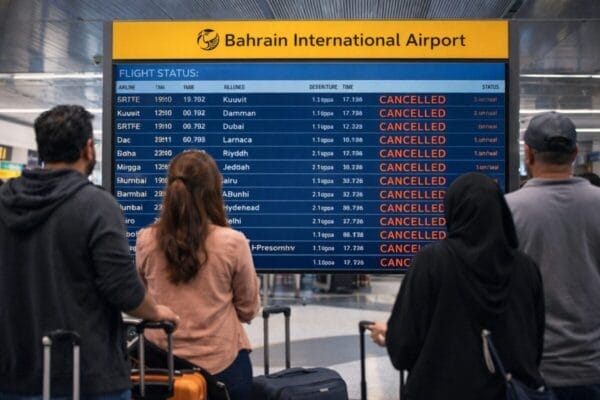

Passengers traveling through major London-area airports are receiving additional travel support as international aviation disruptions linked to the ongoing conflict in the Middle East continue to affect flight schedules. Rail services connecting central London with Gatwick Airport and Luton Airport have introduced temporary ticket flexibility measures designed to assist travelers facing unexpected itinerary changes.
The support initiative has been implemented by Govia Thameslink Railway, the company responsible for operating several key rail networks in southern England. These include Southern, Thameslink, Gatwick Express, and Great Northern services, which collectively form one of the United Kingdom’s busiest rail corridors linking London with major airports and surrounding regions.
With airlines adjusting routes, delaying flights, and in some cases canceling services to destinations across the Middle East, thousands of travelers have experienced disruptions to carefully planned journeys. The rail operator’s temporary ticket flexibility aims to reduce the impact on passengers who rely on train services to reach or depart from London’s international airports.
Flexible Ticket Policies for Disrupted Travelers
Under the revised travel arrangements, passengers whose flights have been delayed, canceled, or rescheduled due to the Middle East situation are permitted to use their existing rail tickets even if their travel times change.
The updated policy allows travelers to adjust their rail journeys without purchasing additional tickets. This means passengers can board trains earlier or later than originally planned, use tickets on alternative dates, or travel during peak hours even if their ticket was originally issued for off-peak travel.
Such flexibility is particularly valuable for passengers navigating complex travel itineraries that involve both air and rail connections.
For many international travelers, rail links between London and nearby airports serve as the primary method of reaching terminals quickly and efficiently. When flights are unexpectedly altered, rigid rail ticket rules could otherwise create additional complications.
By relaxing these restrictions, the rail operator is helping ensure that passengers can adapt their travel plans without incurring further costs.
London’s Airport Rail Network
Railways play a central role in connecting London with its major airports. Gatwick Airport and Luton Airport are both heavily reliant on rail links to move millions of passengers each year between airport terminals and central London.
Govia Thameslink Railway operates multiple services that form the backbone of this network.
Southern trains connect London with the south coast while providing frequent services to Gatwick Airport. Thameslink trains run north-south across the capital and link both Gatwick and Luton airports directly with central London stations.
The Gatwick Express service offers a dedicated non-stop route between London Victoria and Gatwick Airport, providing one of the fastest connections available.
Meanwhile, Great Northern services connect London with destinations across eastern England, forming an important part of the region’s wider rail network.
Together, these services handle millions of journeys annually and play a vital role in maintaining efficient airport access.
Supporting Travelers During Aviation Disruptions
Large-scale disruptions in international aviation often create ripple effects across other transport systems. When flight schedules change suddenly, travelers must frequently alter connecting journeys involving trains, buses, or taxis.
Transport authorities across the United Kingdom emphasize the importance of coordinated responses during such disruptions. Flexible ticket policies introduced by rail operators are one way of ensuring that passengers remain able to reach their destinations without unnecessary delays.
For airport passengers arriving in the UK after flight cancellations or delays, the ability to board the next available train instead of waiting for a specific departure time can significantly reduce travel stress.
Similarly, travelers departing for international flights benefit from the option to adjust rail journeys if airline schedules change unexpectedly.
Documentation Requirements for Ticket Flexibility
While ticket flexibility measures are designed to help travelers, passengers may still be asked to show evidence that their travel plans were affected by flight disruptions.
Acceptable forms of documentation include airline booking confirmations, cancellation notifications, or official messages confirming changes to flight schedules.
Rail staff may request these documents alongside the passenger’s train ticket to verify eligibility for the flexible travel arrangements.
Such verification helps ensure that the temporary policy is applied specifically to passengers whose journeys were genuinely impacted by the aviation disruptions.
Impact of Middle East Conflict on Global Aviation
The current disruptions affecting flights between the United Kingdom and the Middle East are part of broader challenges facing the aviation sector during periods of geopolitical instability.
When conflicts affect airspace availability or create safety concerns, airlines may reroute flights, reduce schedules, or temporarily suspend operations to certain destinations.
These changes can influence flight paths not only in the immediate region but also across long-haul routes linking Europe, Asia, and Africa.
Airlines operating international networks must continually adjust routes to maintain passenger safety while complying with aviation regulations and airspace restrictions.
For travelers, these adjustments often result in unexpected delays, longer flight times, or last-minute cancellations.
Rail as a Reliable Airport Connection
In the United Kingdom, rail travel is widely regarded as one of the most reliable methods for reaching major airports. High-frequency services, predictable travel times, and direct links to central London make trains an essential component of airport transportation.
Rail travel also offers environmental benefits compared with road transport, producing lower emissions per passenger and reducing congestion on busy motorways surrounding major airports.
As the aviation industry navigates temporary disruptions, the flexibility of rail services helps maintain continuity for travelers.
Maintaining Passenger Confidence
Transport authorities and rail operators are continuing to monitor the evolving travel situation closely. Flexible ticket policies remain one of several measures designed to support passengers while global travel conditions remain uncertain.
By providing practical solutions during disruptions, rail operators help maintain confidence in the broader transportation network.
For travelers passing through London, Gatwick, or Luton airports, these support measures offer reassurance that even when flights change unexpectedly, their rail connections can adapt accordingly.
As international travel continues to recover and evolve, coordination between aviation and rail sectors will remain crucial in ensuring smooth journeys for passengers across the United Kingdom.
For more travel news like this, keep reading Global Travel Wire