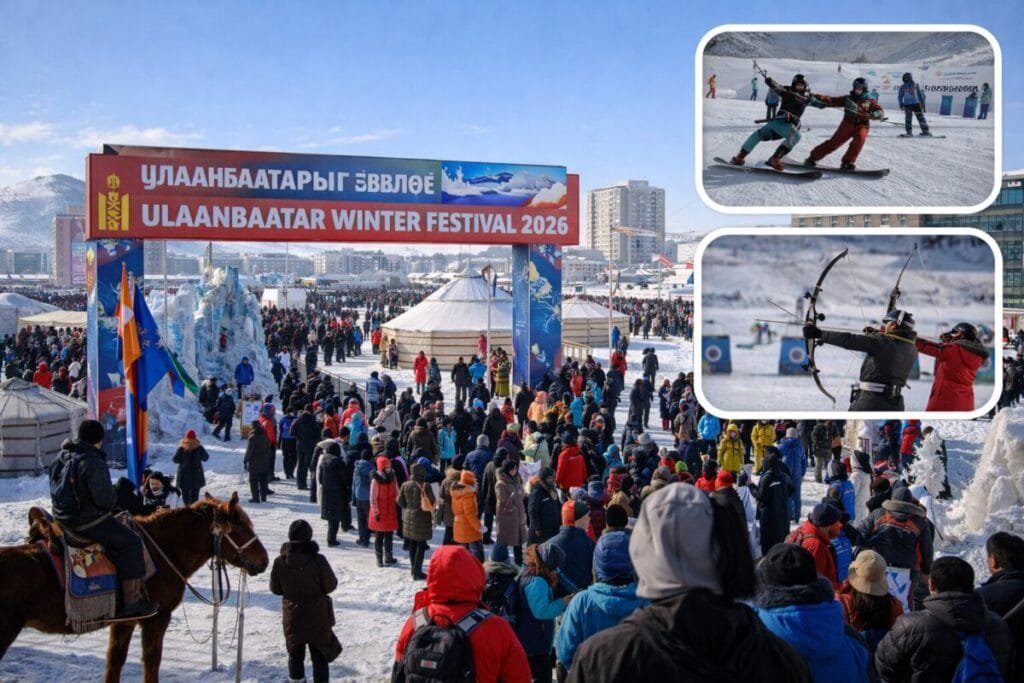
Ulaanbaatar has taken a decisive step toward transforming Mongolia into a year-round travel destination with the opening of the Ulaanbaatar Winter Festival 2026. Now in its 14th edition, the festival has become a cornerstone of the city’s winter tourism strategy, designed to extend the travel season, diversify visitor demand, and unlock the economic potential of the colder months. As global destinations increasingly seek to reduce seasonality, Ulaanbaatar’s winter-focused approach is emerging as a model for sustainable tourism growth.
Traditionally, Mongolia’s tourism industry has been heavily concentrated in summer, when its vast steppes, national parks, and nomadic culture attract international visitors. Winter, despite its dramatic landscapes and deep-rooted traditions, remained underutilised. The Winter Festival directly addresses this imbalance by repositioning winter as a vibrant, activity-rich season rather than an off-peak period.
Winter Tourism Strategy Focused on Season Extension
At the heart of the Winter Festival is a clear objective: to extend Mongolia’s tourism calendar and stabilise the sector year-round. By attracting visitors during winter, the festival supports hotels, resorts, transport providers, and tour operators who previously experienced prolonged slow periods. This shift allows tourism businesses to maintain employment, optimise infrastructure usage, and generate steadier revenue streams.
Season extension is also critical for building long-term resilience in Mongolia’s tourism economy. Reduced dependence on a single peak season helps mitigate risks linked to weather, global travel disruptions, and fluctuating demand, creating a more balanced and sustainable industry.
Winter Sports and Adventure Tourism Take Centre Stage
The 2026 edition of the festival placed strong emphasis on winter sports and adventure tourism, positioning Ulaanbaatar as an emerging cold-climate destination. A diverse programme of competitive and recreational activities attracted athletes, enthusiasts, and spectators alike.
Signature events included the International Ice Archery Championship, a discipline rooted in Mongolian heritage, alongside ice knucklebone shooting, snowboarding, alpine skiing, curling, and snow rugby. These competitions highlighted both traditional and modern winter sports, offering visitors a distinctive blend of cultural authenticity and contemporary adventure.
In addition, adventure activities such as mountain paragliding and amateur ice wall climbing expanded the festival’s appeal to niche travel segments interested in extreme sports and experiential tourism. This focus aligns with global trends showing rising demand for active, experience-led winter travel.
Cultural Programming Adds Depth to Winter Experiences
Beyond sports, cultural and community-based programming played a vital role in enhancing the festival’s value. Family relay races, tug-of-war competitions, and educational events encouraged participation from residents and visitors alike, reinforcing the festival’s inclusive spirit.
National art performances, tourism student competitions, and traditional demonstrations such as falconry added cultural depth to the winter experience. By integrating heritage with modern winter leisure, the festival offered a well-rounded programme that appealed to families, cultural tourists, and international travellers seeking meaningful local engagement.
This combination of culture and activity strengthens Ulaanbaatar’s winter tourism proposition, ensuring that visitors experience more than just cold-weather sports.
International Participation Strengthens Global Visibility
A key highlight of the Winter Festival 2026 was its growing international participation. More than 1,000 athletes from Ulaanbaatar and all 21 aimags of Mongolia took part, joined by over 50 international athletes from countries including China, Kazakhstan, the United States, and neighbouring regions.
This level of cross-border participation enhances Ulaanbaatar’s credibility as a host city for international winter events. It also boosts global visibility through media exposure and word-of-mouth promotion, positioning Mongolia as a unique alternative to established winter destinations in Europe and Northeast Asia.
International involvement plays a crucial role in destination branding, helping Mongolia differentiate itself with its combination of nomadic heritage, extreme climate experiences, and emerging winter infrastructure.
Economic Impact Supports Local Businesses and Communities
Winter tourism events such as the Ulaanbaatar Winter Festival deliver tangible economic benefits. Increased visitor numbers generate demand for accommodation, dining, transport, equipment rentals, and event services during months that were once economically quiet.
Local residents also benefit from increased activity, as community participation drives spending and urban vibrancy. Encouraging domestic engagement alongside international tourism ensures that winter tourism growth contributes to inclusive economic development rather than relying solely on foreign visitors.
Public–Private Collaboration Enables Sustainable Growth
The successful delivery of the festival reflects strong collaboration between public authorities and private operators. Coordination among city administration, tourism departments, and resort facilities ensured high safety standards, quality experiences, and effective event management.
Such partnerships are essential for long-term winter tourism development. They enable alignment between event planning, infrastructure investment, environmental stewardship, and destination marketing, ensuring that growth remains sustainable and well-managed.
Ulaanbaatar’s Emergence as a Winter Tourism Hub
Through sustained investment in winter events, facilities, and international outreach, Ulaanbaatar is steadily establishing itself as a regional winter tourism hub. The city’s ability to combine sports, culture, adventure, and lifestyle experiences allows it to attract diverse traveller segments, from athletes and adventure seekers to families and cultural tourists.
This winter identity complements Mongolia’s established summer tourism strengths, creating a more balanced and versatile destination offering.
A Long-Term Vision for Mongolia’s Tourism Future
The Ulaanbaatar Winter Festival 2026 signals a clear long-term vision for Mongolia’s tourism development. By actively reshaping travel behaviour and extending the tourism season, winter tourism is emerging as a key driver of growth, resilience, and international exposure.
As Mongolia continues to diversify its tourism products, winter travel is no longer a secondary consideration but a strategic pillar. The festival demonstrates how targeted events, cultural authenticity, and global engagement can transform winter into a powerful engine for sustainable tourism growth.
For more travel news like this, keep reading Global Travel Wire