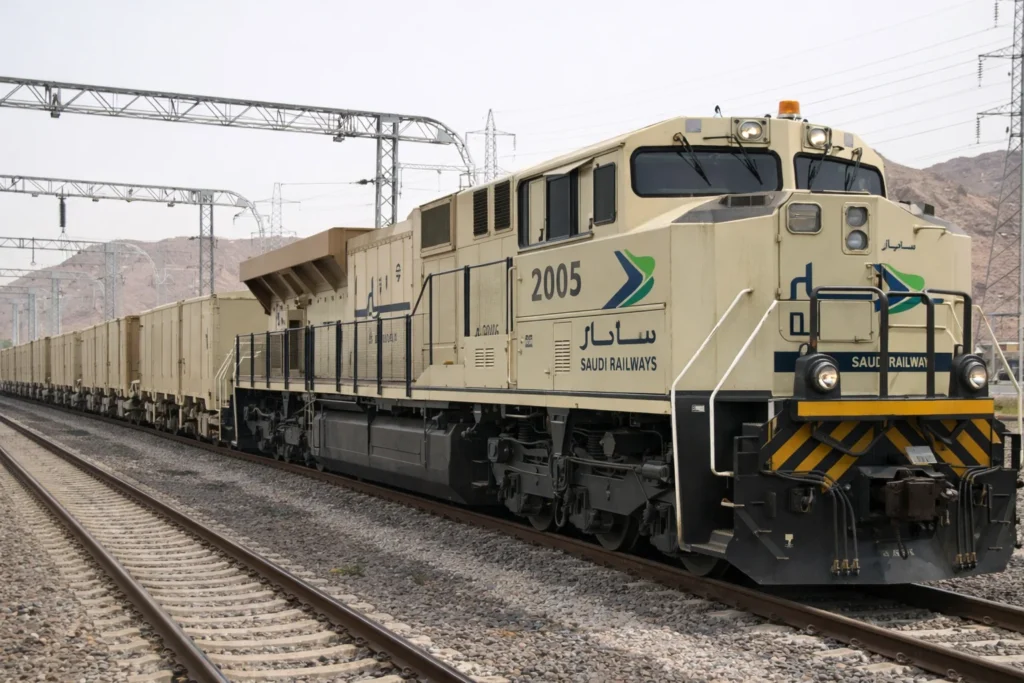
Saudi Arabia rail routes are entering a new growth phase after the launch of five new logistics corridors designed to improve connectivity between Gulf ports, inland cities, and key economic zones. While the immediate focus is faster cargo movement and lower transport costs, the long-term impact could extend well beyond freight, supporting tourism growth, regional mobility, and stronger visitor access across the Kingdom.
The initiative, announced by Saudi Railways Company, forms part of the country’s wider Vision 2030 transformation strategy. By strengthening rail infrastructure and integrating ports with inland hubs, Saudi Arabia is creating a modern transport network that can benefit trade, domestic travel, and international tourism alike.
As global travelers increasingly seek seamless mobility and multi-city experiences, improved rail systems are becoming an important asset for tourism destinations. Saudi Arabia’s latest rail expansion could help position the country as one of the region’s most connected travel markets.
Saudi Arabia Rail Routes Signal a New Era of Connectivity
Transport connectivity plays a major role in tourism success. Travelers are more likely to visit destinations where movement between airports, cities, attractions, and business centers is simple, fast, and reliable.
The new Saudi Arabia rail routes are designed to connect major Gulf ports with inland logistics centers, industrial zones, and cities such as Riyadh. Although developed primarily for cargo efficiency, expanded rail infrastructure often creates wider economic and tourism benefits by improving national transport capacity.
Modern rail networks can support destination development, encourage regional travel, reduce congestion on highways, and create stronger links between urban centers and emerging tourism areas.
For Saudi Arabia, this matters at a time when the country is investing heavily in tourism, hospitality, entertainment, and cultural attractions.
Vision 2030 and Tourism Transformation
Saudi Arabia’s Vision 2030 strategy has placed tourism at the center of economic diversification. The Kingdom is expanding its visitor economy through major investments in heritage tourism, luxury resorts, sports events, entertainment districts, and international marketing campaigns.
Better transport systems are essential to that ambition. Visitors expect smooth journeys between airports, hotels, convention venues, cultural sites, and leisure destinations.
Rail expansion supports this by complementing air travel and road transport. Efficient inland movement can make it easier for tourists to explore multiple destinations during one trip, extending stays and increasing spending across the economy.
The new logistics corridors therefore align with a broader national goal: building a world-class destination supported by modern infrastructure.
Why Rail Matters for Tourism Growth
Rail transport is increasingly valued in tourism markets because it offers comfort, reliability, and convenience. In countries with expanding visitor sectors, rail can connect cities while reducing travel stress.
Potential tourism benefits of stronger rail systems include:
Multi-City Travel: Visitors can combine Riyadh, Jeddah, Dammam, and other destinations in one itinerary.
Faster Inland Access: Quicker movement from ports and airports to city centers and attractions.
Reduced Road Congestion: Smoother journeys for tour buses, taxis, and self-drive visitors.
Sustainable Travel Appeal: Rail can support lower-emission transport goals.
Stronger Event Tourism: Easier access for exhibitions, sports tournaments, and festivals.
As Saudi Arabia hosts more international events and welcomes growing visitor numbers, these advantages become increasingly valuable.
Riyadh and Major Cities Could Benefit
Riyadh remains one of the most important beneficiaries of improved connectivity. As the capital city and a rising hub for business tourism, entertainment, and conferences, Riyadh requires efficient links with ports, industrial zones, and transport gateways.
Improved logistics can support faster hotel supply deliveries, event operations, retail distribution, and smoother business travel ecosystems.
Other cities and regions may also gain:
Dammam and Eastern Province: Important for business travel, coastal tourism, and industry.
Jeddah: Gateway to the Red Sea and a major tourism and commercial center.
Emerging Tourism Zones: New destinations can benefit from stronger national transport links.
Industrial Cities: Better infrastructure supports business visitor traffic and corporate mobility.
The broader the transport network becomes, the easier it is for tourism to spread beyond traditional gateways.
Benefits for Businesses and Visitors
Although cargo is the immediate priority, visitors often benefit indirectly when logistics systems improve. Faster and more efficient supply chains can strengthen tourism operations in practical ways.
Hotels, resorts, restaurants, attractions, and retail centers all depend on reliable deliveries. Improved freight movement can help businesses manage stock, lower operating pressure, and improve service quality.
For travelers, the impact may include:
- Better availability of goods and services
- More efficient destination operations
- Stronger event organization
- Improved travel experience in growing cities
- Greater confidence in infrastructure quality
These behind-the-scenes improvements are often essential to a successful tourism economy.
Saudi Arabia as a Regional Hub
Saudi Arabia sits at a strategic crossroads linking Asia, Europe, Africa, and the Middle East. Stronger rail and port integration enhances that position by creating faster inland distribution and deeper regional connectivity.
For tourism, hub status matters. Countries with strong transport systems often attract more stopover visitors, international business events, airline partnerships, and multi-country itineraries.
As Saudi Arabia continues developing airports, cruise terminals, roads, and railways, the Kingdom becomes more attractive for both leisure and business travelers.
The five new rail routes reinforce this momentum and demonstrate continued investment in long-term competitiveness.
Sustainability and Smart Mobility
Rail freight also supports sustainability objectives by reducing dependence on long-haul trucking and easing road congestion. Cleaner and more efficient mobility is becoming increasingly important for travelers, investors, and destination planners.
Tourism brands worldwide now highlight sustainability credentials, and modern transport systems play a major role in that message.
By expanding rail capacity, Saudi Arabia strengthens its image as a future-focused destination combining growth with smart infrastructure planning.
Strong Outlook for Saudi Tourism
Saudi tourism has been growing rapidly thanks to new visa reforms, global events, luxury developments, heritage restoration, and entertainment expansion. Transport investment remains one of the strongest foundations for continued success.
The launch of five new Saudi Arabia rail routes shows that infrastructure development is moving in step with tourism ambition. While the corridors are designed for cargo, their wider economic effects can help support visitor growth, city development, and stronger regional accessibility.
For travelers, investors, and tourism businesses, the message is clear: Saudi Arabia is building a more connected future where movement is faster, smarter, and better integrated than ever before.
As Vision 2030 progresses, rail expansion is likely to become an increasingly important part of the Kingdom’s tourism success story.