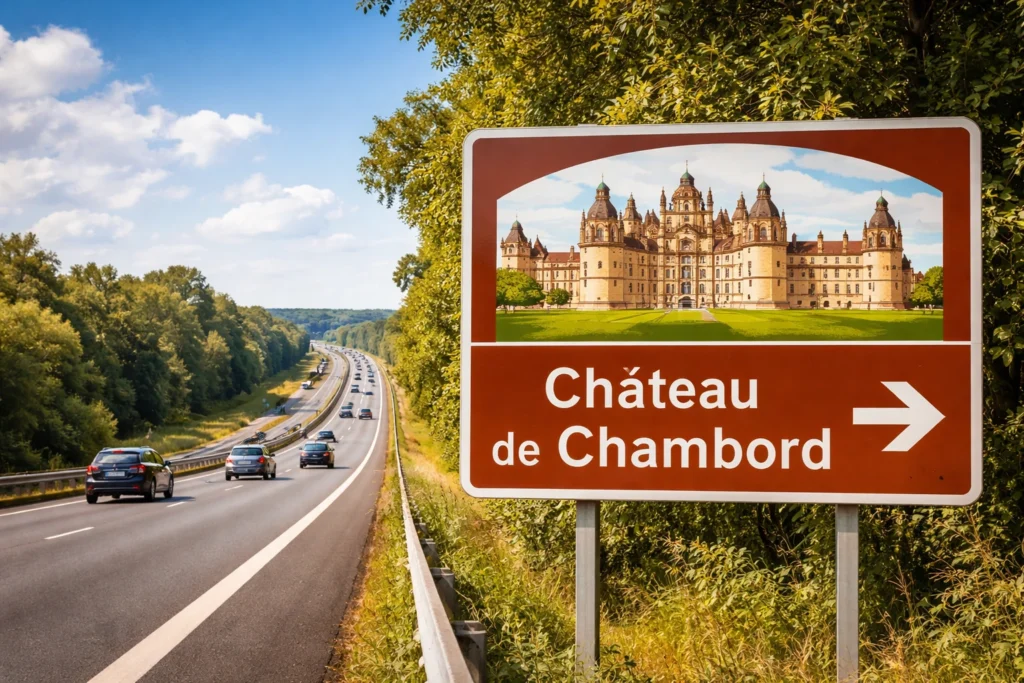
Europe’s hotel industry continues to show strong performance in 2026 despite economic pressure and geopolitical uncertainty. The sector adapts quickly and keeps growth steady across major and regional markets.
Tourism demand remains strong across the continent. Governments actively promote travel through campaigns and infrastructure improvements. These efforts support hotel performance and help the sector stay stable during uncertain times.
Hotels adjust their strategies to manage rising costs. Operators focus on efficiency, pricing, and customer experience. As a result, the industry continues to grow even under pressure.
Government Initiatives Strengthen Tourism Growth
European governments play a key role in supporting the hotel sector. They launch campaigns that promote both domestic and international tourism. These campaigns highlight cultural attractions and regional experiences.
At the same time, authorities invest in transport and infrastructure. Better connectivity makes smaller destinations easier to reach. This change spreads tourism demand beyond crowded cities.
Governments also provide financial support and flexible regulations. These steps help hotels manage rising operational costs. As a result, businesses maintain service quality while controlling expenses.
Stable Occupancy Rates Support Industry Confidence
Hotels across Europe report stable occupancy rates in early 2026. Major cities such as London, Paris, Rome, and Barcelona attract consistent tourist traffic.
Leisure travel drives most of the demand. However, business travel also contributes during weekdays in major urban centers. This balance supports year-round occupancy levels.
International visitors continue to travel within Europe. Short-haul trips remain popular due to convenience and affordability. Travelers choose European destinations for culture, history, and vibrant local experiences.
Marketing campaigns further boost interest in new destinations. Tourists now explore beyond traditional hotspots and discover lesser-known cities.
Regional Destinations Gain Popularity Among Travelers
Secondary cities and regional destinations see rising visitor numbers in 2026. Travelers now prefer authentic and less crowded experiences. This trend reshapes tourism patterns across Europe.
Countries like Spain, Italy, and Portugal benefit from strong leisure demand. At the same time, northern and central Europe attract both business and leisure travelers.
Improved transport access supports this shift. Tourists can now reach smaller towns and cultural hubs with ease. As a result, tourism spreads more evenly across regions.
This balanced distribution reduces pressure on major cities. It also creates new opportunities for local economies and hotel operators.
Rising Costs Challenge Hotel Operations
Despite strong demand, hotels face rising operational costs. Inflation increases expenses related to energy, labor, and supplies. Operators respond by adjusting pricing strategies.
Hotels introduce flexible pricing models to stay competitive. Early booking discounts and package deals attract budget-conscious travelers. These strategies help maintain occupancy rates.
Geopolitical tensions also affect certain regions. However, most destinations continue to attract steady visitor numbers. Travelers still prioritize European trips due to accessibility and diverse experiences.
Technology plays an important role in managing these challenges. Hotels use data analytics to understand customer preferences. This approach helps them refine services and improve marketing strategies.
Leisure and Business Travel Drive Balanced Growth
The hotel industry benefits from both leisure and business travel segments. Each segment supports different markets across Europe.
Leisure travel leads growth in coastal, rural, and cultural destinations. Tourists seek relaxation, heritage, and unique local experiences.
Meanwhile, business travel supports major cities with conference and event facilities. Corporate travelers contribute steady demand throughout the week.
Hotels adapt by offering tailored services. They provide business amenities for professionals and curated experiences for tourists. This approach ensures consistent performance across all seasons.
Future Outlook Remains Positive for European Hotels
The outlook for Europe’s hotel industry remains positive despite ongoing challenges. Tourism demand continues to grow as travelers prioritize regional and cultural experiences.
Sustainable travel gains importance among visitors. Hotels and governments respond by promoting eco-friendly practices and responsible tourism.
Infrastructure investments and targeted campaigns will further strengthen the sector. These efforts improve accessibility and attract new visitor segments.
Operators will continue to adapt pricing and services. Innovation and flexibility will remain key to long-term success.
A Resilient and Evolving Tourism Sector
Europe’s hotel industry proves its resilience in 2026 through strong demand and strategic adaptation. The sector manages rising costs while maintaining service quality and guest satisfaction.
Government support, regional tourism growth, and steady occupancy rates drive this success. The industry continues to evolve and respond to changing traveler preferences.
As a result, Europe remains one of the world’s top travel destinations. Its hotel sector stands strong and ready for future opportunities.