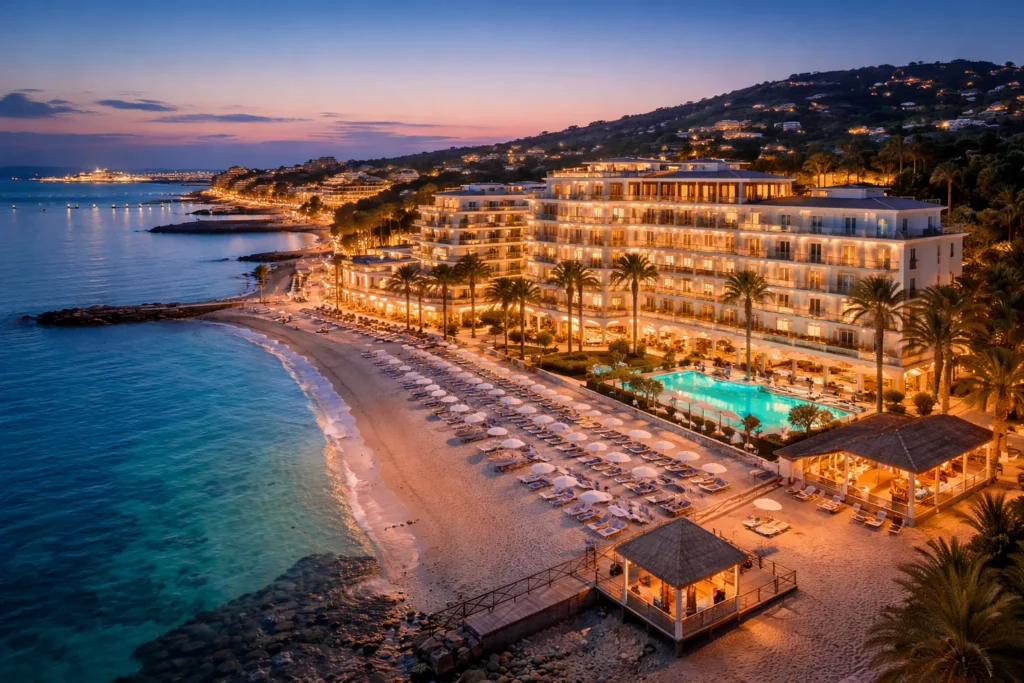
European hotel investments are gaining strong momentum as a wave of acquisitions and redevelopment projects reshapes the continent’s tourism and hospitality landscape. Supported by official tourism strategies and economic development policies, these investments reflect growing confidence in Europe’s travel sector and its long-term potential for sustainable growth.
Across leading destinations, from Portugal and France to the United Kingdom and Spain, high-value hotel transactions are reinforcing the importance of quality accommodation in driving tourism. Government tourism authorities consistently highlight that strong hospitality infrastructure is essential for maintaining competitiveness and attracting international visitors.
In Portugal, investment activity has focused on premium resort destinations that combine luxury experiences with natural surroundings. A major resort located within a protected natural park near Lisbon has recently changed ownership, reflecting the growing appeal of eco-conscious tourism. National tourism policies emphasise the importance of preserving natural heritage while enhancing visitor experiences, making such properties highly attractive to investors.
France continues to play a central role in European tourism investment, with multiple hotel acquisitions across both urban and coastal regions. Redevelopment plans for beachfront properties along the French Riviera are aligned with government efforts to revitalise iconic tourism destinations. By upgrading facilities and elevating service standards, these projects aim to attract high-value travellers and extend visitor stays.
Paris remains a focal point for hospitality investment, with boutique hotels and smaller properties undergoing renovation and repositioning. French tourism authorities have highlighted the importance of diversifying accommodation offerings to cater to different travel segments. From luxury stays to boutique experiences, the city’s evolving hotel landscape supports its status as one of the world’s most visited destinations.
In the United Kingdom, London continues to attract significant investment due to its global appeal as a tourism and business hub. High-profile hotel acquisitions in central locations, including areas close to cultural landmarks and financial districts, demonstrate sustained investor confidence. Government tourism strategies emphasise that maintaining high accommodation standards is essential for supporting both leisure and corporate travel.
Hotel rebranding and refurbishment projects in London also reflect a broader trend toward modernisation within the hospitality sector. By aligning properties with international brand standards, operators aim to enhance guest experiences and meet the expectations of global travellers. These improvements contribute to the city’s ability to remain competitive in the international tourism market.
Central Europe is also witnessing increased activity, particularly in historic cities such as Prague. The acquisition and planned refurbishment of heritage hotels highlight the region’s commitment to preserving cultural assets while adapting them for modern tourism. Authorities emphasise that combining historical authenticity with contemporary comfort is key to attracting international visitors.
Spain’s hospitality sector continues to thrive, driven by strong tourism performance and strategic investment in coastal destinations. Hotel acquisitions in regions such as the Costa del Sol support the country’s reputation as a leading holiday destination. National tourism statistics consistently show high visitor numbers, and investments in resort properties ensure that infrastructure keeps pace with demand.
Barcelona, as a major urban tourism hub, is also benefiting from boutique hotel developments and refurbishment projects. Investments in centrally located properties near iconic attractions enhance the city’s appeal and support its vibrant tourism economy. Government policies encourage sustainable development to balance tourism growth with the preservation of local culture.
Ireland’s hospitality market is another area of interest, with acquisitions in scenic regions highlighting the importance of regional tourism. Hotels located near coastal routes and natural attractions are being upgraded to meet modern standards, supporting government initiatives aimed at promoting lesser-known destinations. Improved accommodation options encourage visitors to explore beyond major cities.
The United Kingdom’s coastal regions are also experiencing renewed investment, with properties in areas such as Cornwall and Bournemouth undergoing upgrades. Local authorities have emphasised that enhancing hotel facilities is crucial for attracting year-round tourism and supporting local economies. Renovation projects often include the addition of leisure amenities, such as spas and event spaces, to meet evolving traveller preferences.
Across Europe, investment trends indicate a strong focus on refurbishment and repositioning of existing assets. Rather than relying solely on new developments, investors are recognising the value of upgrading established properties in prime locations. This approach supports sustainable tourism by maximising the use of existing infrastructure while improving quality.
Government tourism policies across the continent continue to encourage such investments by promoting sustainability, energy efficiency, and community engagement. Many projects now incorporate environmentally friendly practices, reflecting the growing importance of responsible tourism. These initiatives align with broader European goals to reduce environmental impact while supporting economic growth.
The scale of investment activity highlights the resilience of Europe’s tourism sector. Despite global challenges, official statistics indicate that the region continues to attract millions of visitors each year. Strong demand for travel, combined with high-quality accommodation, ensures that Europe remains a top destination for international tourism.
For travellers, these developments translate into enhanced experiences across a wide range of destinations. From luxury resorts in natural settings to boutique hotels in historic cities, the diversity of accommodation options allows visitors to tailor their journeys according to their preferences.
Tourism authorities emphasise that continued investment in hospitality infrastructure is essential for sustaining growth. By improving service standards and expanding capacity, Europe can accommodate increasing visitor numbers while maintaining high levels of satisfaction.
Looking ahead, European hotel investments are expected to remain a key driver of tourism development. With ongoing collaboration between governments, investors, and hospitality operators, the sector is well-positioned to adapt to changing travel trends and meet future demand.
As the hospitality landscape continues to evolve, the focus on quality, sustainability, and innovation will shape the next phase of tourism growth. European hotel investments not only support economic development but also enhance the overall appeal of destinations, ensuring that travellers can enjoy memorable and high-quality experiences across the continent.