Europe’s tourism sector is witnessing renewed momentum as European hotel investments continue to expand across key destinations, reflecting strong confidence in the region’s travel market. Recent transactions and redevelopment plans, supported by official tourism strategies and government-backed economic initiatives, highlight a growing focus on enhancing hospitality infrastructure to meet rising visitor demand.
Across major European destinations, investment activity in the hotel sector is accelerating, with a mix of luxury resorts, boutique properties, and city hotels changing ownership or undergoing redevelopment. Tourism authorities and economic ministries have consistently emphasised that high-quality accommodation is essential for sustaining tourism growth and maintaining Europe’s position as a leading global destination.
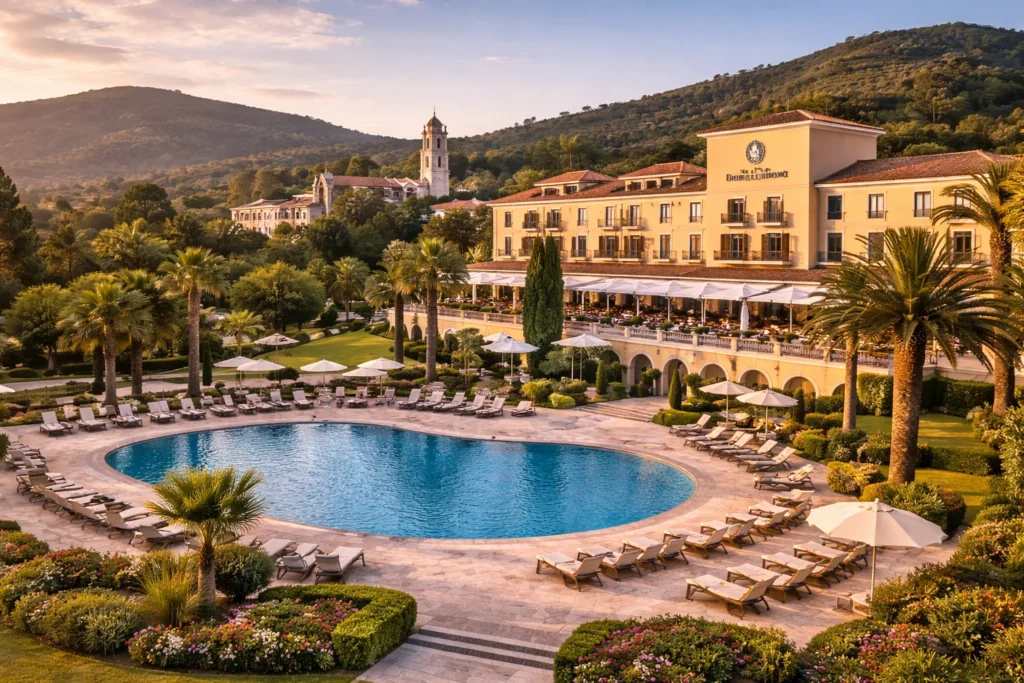
In Portugal, the acquisition of a luxury resort located within a protected natural park near Lisbon underscores the importance of integrating hospitality development with environmental preservation. Government tourism frameworks in the country prioritise sustainable tourism, encouraging investments that enhance visitor experiences while protecting natural landscapes. Properties in such locations attract both leisure travellers and international visitors seeking premium experiences.
France continues to see strong activity in its hospitality sector, particularly in coastal and urban tourism hubs. Redevelopment plans for beachfront hotels along the French Riviera reflect efforts to revitalise iconic destinations and maintain their appeal to high-end travellers. French tourism authorities have long supported the modernisation of hotel assets to ensure they meet evolving guest expectations.
In the United Kingdom, major hotel acquisitions in London highlight the city’s enduring status as a global tourism and business hub. Investment in centrally located properties near financial districts and cultural landmarks aligns with official tourism strategies aimed at strengthening the capital’s hospitality offering. These developments support both leisure tourism and corporate travel, which are key contributors to the local economy.
Similarly, the acquisition and rebranding of hotels in London’s business districts demonstrate a focus on enhancing service standards and aligning properties with international brand expectations. Government tourism bodies recognise that such upgrades improve the overall visitor experience, encouraging repeat visits and longer stays.
Central Europe is also benefiting from increased investment, with historic properties in cities such as Prague undergoing refurbishment and repositioning. The restoration and rebranding of heritage hotels reflect a broader trend of preserving cultural assets while adapting them for modern tourism. Authorities in the region have highlighted that maintaining historical integrity while offering contemporary amenities is essential for attracting global travellers.
Spain’s hospitality sector is experiencing growth driven by acquisitions in key coastal destinations. Investments in resort properties near major airports support the country’s strong tourism performance, as reported by national tourism statistics. Enhanced facilities, including leisure amenities and upgraded services, are designed to cater to both international tourists and domestic travellers.
Ireland’s tourism market is also seeing increased attention, particularly in regions known for natural beauty and cultural heritage. Hotel acquisitions in areas close to scenic coastlines and cross-border travel routes reflect the importance of regional tourism development. Government initiatives aimed at promoting lesser-explored destinations are supported by such investments, which improve accommodation options and accessibility.
Urban tourism continues to drive investment in cities like Paris and Strasbourg, where boutique hotels and aparthotels are being upgraded to meet modern standards. French tourism authorities have emphasised the importance of diversifying accommodation types to cater to different traveller preferences, from short city breaks to extended stays.
In Paris, renovation projects aimed at repositioning smaller hotels into higher categories demonstrate a commitment to maintaining competitiveness in the global tourism market. Upgraded facilities and improved service offerings are expected to attract a broader range of visitors, including international tourists seeking premium experiences.
Spain’s major cities are also witnessing transformation in the hospitality sector, with boutique hotel developments in prime locations near cultural landmarks. These projects are aligned with urban tourism strategies that focus on enhancing visitor experiences while preserving the character of historic districts.
The United Kingdom’s coastal tourism destinations are benefiting from renewed investment, with hotels overlooking scenic landscapes undergoing phased renovations. Local authorities have highlighted that improving accommodation quality is essential for attracting visitors to regional areas and supporting year-round tourism.
Investments in spa facilities, event spaces, and leisure amenities are becoming increasingly common, reflecting changing traveller preferences. Tourism boards note that modern travellers seek comprehensive experiences that combine comfort, wellness, and entertainment. Upgraded hotel facilities play a key role in meeting these expectations.
Across Europe, the trend toward refurbishment and repositioning of existing properties is complemented by strategic acquisitions aimed at expanding hotel portfolios. Investment firms and hospitality operators are focusing on properties with strong location advantages and potential for value enhancement through renovation.
Government tourism policies continue to support these developments by promoting investment-friendly environments and encouraging sustainable practices. Initiatives aimed at reducing environmental impact, improving energy efficiency, and supporting local communities are increasingly integrated into hotel development projects.
The rise in European hotel investments reflects confidence in the long-term growth of the tourism sector. Official statistics indicate that international travel to Europe remains strong, with visitor numbers steadily increasing. Investments in hospitality infrastructure are essential for accommodating this growth and ensuring high standards of service.
For travellers, these developments translate into improved accommodation options, enhanced comfort, and a wider range of experiences. From luxury resorts in natural settings to boutique hotels in historic cities, Europe’s evolving hospitality landscape offers something for every type of visitor.
As the tourism industry continues to recover and expand, the role of strategic investment in shaping the future of travel becomes increasingly important. European hotel investments are not only driving economic growth but also enhancing the overall appeal of destinations across the continent.
With continued collaboration between governments, investors, and tourism authorities, Europe is well-positioned to maintain its leadership in global tourism. The ongoing transformation of its hospitality sector ensures that travellers can enjoy high-quality experiences while exploring some of the world’s most iconic destinations.